Bandung Geological Museum, Geological museum in Bandung, Indonesia
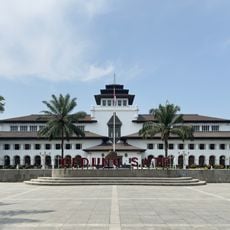
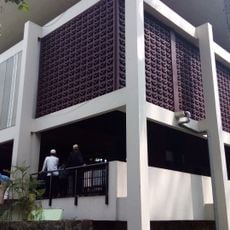
The Bandung Geological Museum sits in an Art Deco building from 1929 and displays minerals, rocks and fossils from across Indonesia on two floors. The galleries also hold maps, geological models and panels on Earth history that give visitors a broad picture of Indonesia's natural sciences.
The building opened in 1929 under Dutch colonial rule as Geologisch Laboratorium and served to store geological samples collected in Indonesia since 1850. After independence the building was turned into a public museum that continues the natural history collections from colonial times.
The exhibition halls show Indonesia's geological variety through rocks, minerals and maps that help visitors understand the layers and volcanic processes shaping the archipelago. Display cases hold fossils of long-extinct animals that once moved through tropical forests and shallow seas.
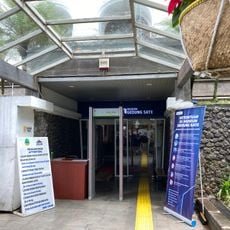
The entrance is up a short flight of shallow steps to the central brown doors, so wheelchair users should check for an alternative way in. Inside, the orientation room sits between the west and east wings, which makes it a natural starting point before either floor. The building is on Rembrandt Straat, now Jalan Diponegoro.
The museum's collection grew from samples, reports and maps assembled by the Dienst van den Mijnbouw, the colonial mining service renamed in 1922. During the 1945-1949 struggle, staff moved these documents between Bandung, Tasikmalaya, Solo, Magelang and Yogyakarta to keep them from Dutch forces; Arie Frederic Lasut, head of the mining and geology service, was abducted and killed near Pakem on 7 May 1949.
The community of curious travelers
AroundUs brings together thousands of curated places, local tips, and hidden gems, enriched daily by 92,883 contributors worldwide.