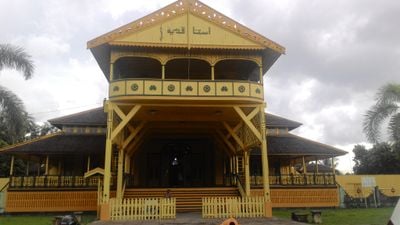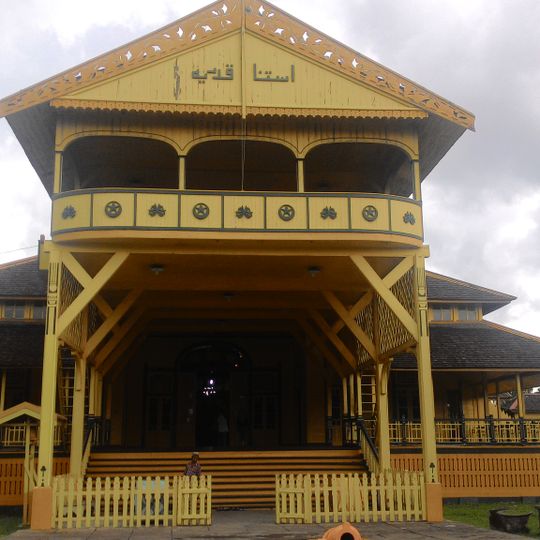
Pontianak Sultanate, Historical sultanate in West Kalimantan, Indonesia.
The Pontianak Sultanate was a ruling territory that controlled shipping from the mouth of the Kapuas River along the northwest coast of Borneo. It linked Malay trading traditions with direct ties to Dayak communities in the interior.
Syarif Abdurrahman founded the sultanate in 1771 and built a capital where the Kapuas meets the Java Sea. The ruling line ended formally in 1950, when the territory became part of the new Indonesian state.
The name Pontianak comes from a local legend about a female spirit who roamed the area before the city was founded. Today the name reminds visitors how deeply Malay folklore shaped the region, even after it became a center for commerce.
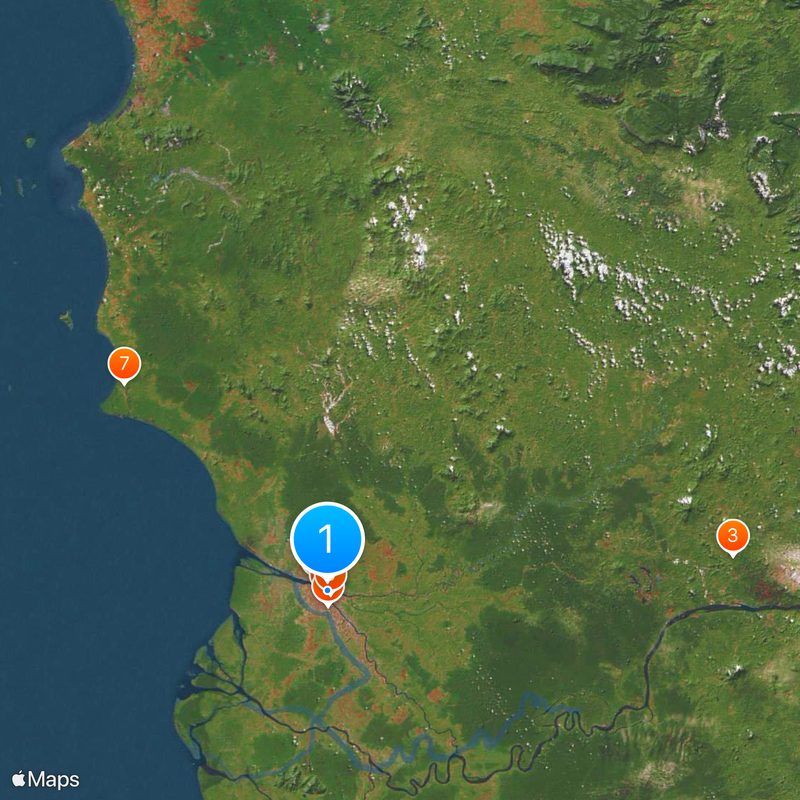
The former sultanate lands stretch along the lower Kapuas and surrounding coastal areas, accessible by river boats and roads. The area around the river delta is best explored in daylight, when visibility over the water is clear.
Hamid II, the final sultan, designed the Indonesian national emblem Garuda Pancasila, which still represents the country today. His artistic work became a national icon after his political authority ended.
The community of curious travelers
AroundUs brings together thousands of curated places, local tips, and hidden gems, enriched daily by 91,148 contributors worldwide.