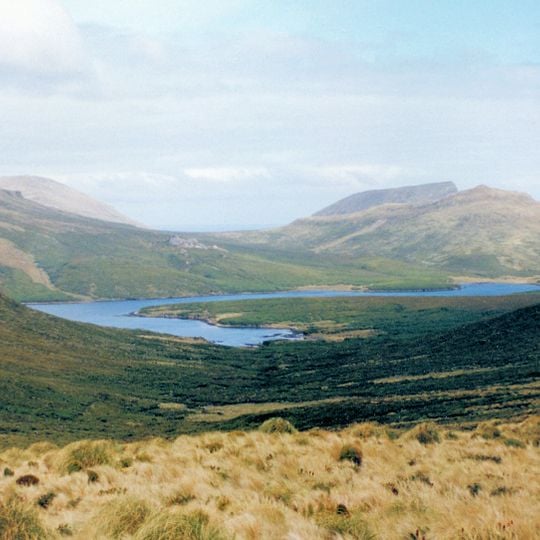
Campbell Island / Motu Ihupuku, Subantarctic island in Southern Ocean, New Zealand.
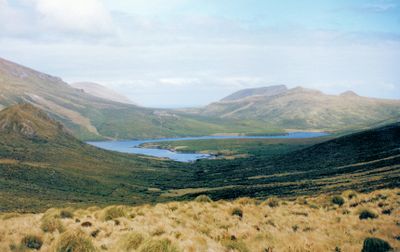
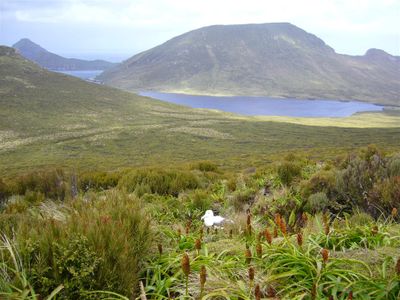
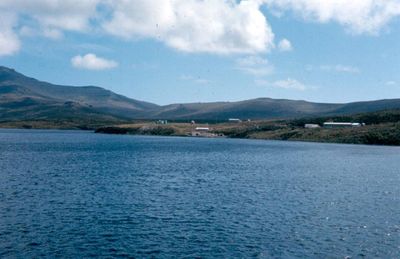
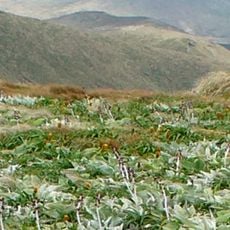
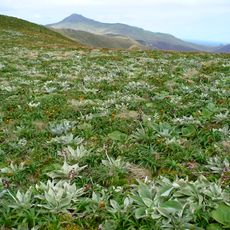
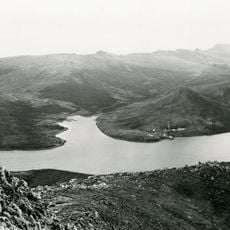
Campbell Island, also known as Motu Ihupuku, is a subantarctic island in the Southern Ocean with substantial landmass and steep coastal cliffs on its southern and western sides. The terrain features rocky, rugged landscapes that rise dramatically along its edges and bear the marks of harsh conditions.
Captain Frederick Hasselburgh discovered the island in 1810 while commanding the sealing vessel Perseverance, owned by merchant Robert Campbell of Sydney. This discovery marked the beginning of European awareness of this remote polar region.
The island carries a dual name, Campbell Island and Motu Ihupuku, recognized through the Ngāi Tahu Claims Settlement Act of 1998. This naming reflects how different peoples have understood and claimed this remote location over time.
Visitors should prepare for harsh weather conditions, as rain occurs on most days of the year and temperatures stay consistently cold. Access to the island is difficult and requires careful planning along with specialized equipment for travel to this polar location.
The island is home to a single Sitka spruce tree, recognized as the most geographically isolated tree on Earth. This solitary tree survives under extreme conditions and represents a remarkably rare natural occurrence.
The community of curious travelers
AroundUs brings together thousands of curated places, local tips, and hidden gems, enriched daily by 92,559 contributors worldwide.