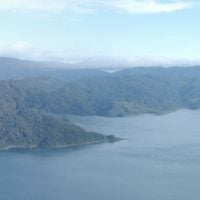
New Zealand, Island country in southwestern Pacific Ocean
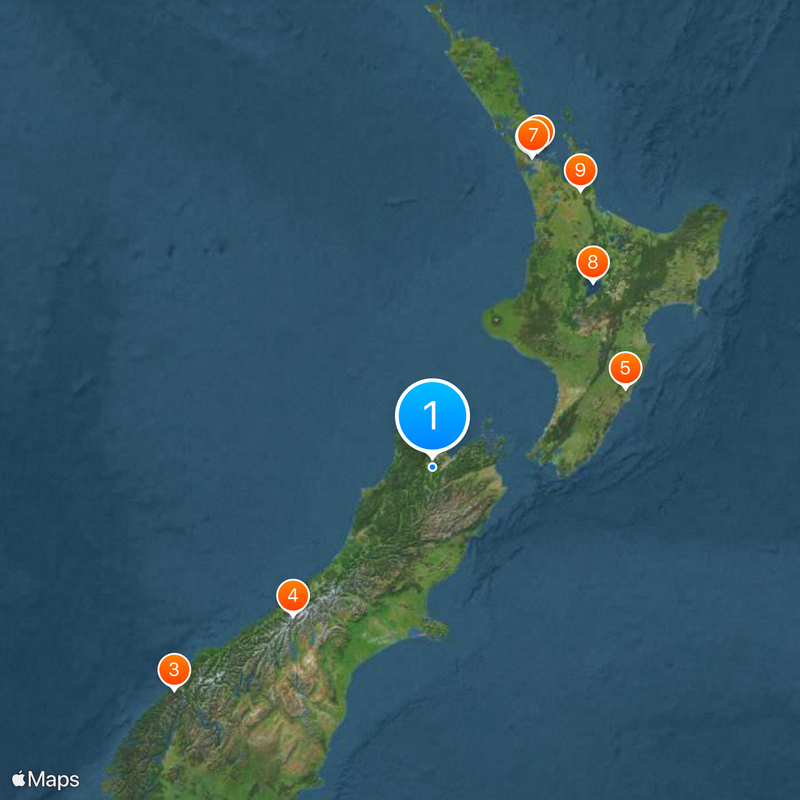
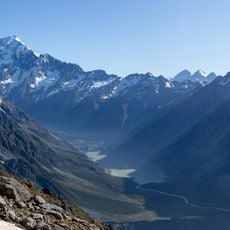
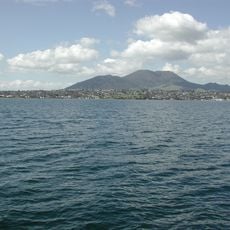
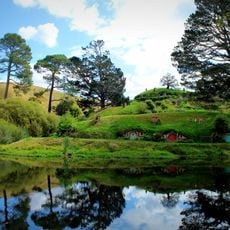
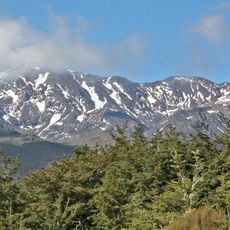
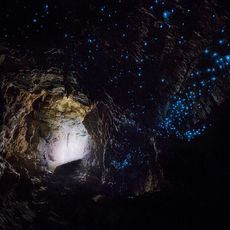
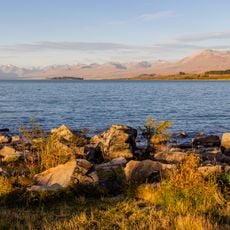
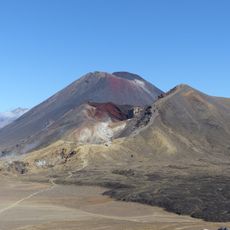
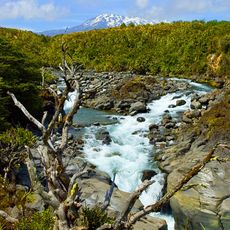
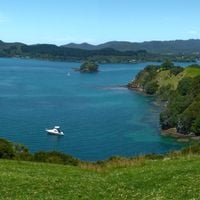
New Zealand is an island nation in the southwestern Pacific Ocean made up of the North Island and South Island, divided by Cook Strait, alongside more than 700 smaller islands including Stewart Island and the Chatham Islands. The landscape spans volcanic plateaus and geothermal zones in the north to the Southern Alps mountain range running through South Island.
European seafarers reached the waters first in 1642 under Abel Tasman, followed by James Cook's mapping in 1769. British settlers arrived from the 1790s onward and the signing of the Treaty of Waitangi in 1840 turned the territory into a Crown colony, while independence came progressively from 1907 with Dominion status.
The concept of manaakitanga shapes how people interact and appears in the warm hospitality extended to visitors. Te reo Māori, the indigenous language, holds official status today and surfaces in daily life through street signs, greetings, and public spaces.
Three international airports in Auckland, Wellington, and Christchurch offer regular connections to Australia, Asia, and the Pacific region. The summer months from December through February bring the warmest temperatures, while main travel season runs from November through April, and domestic flights plus ferry services link the two main islands.
The territory is home to tuatara reptiles, the sole living representatives of the order Rhynchocephalia that have remained nearly unchanged for over 200 million years. These creatures possess a third eye on top of their heads and can survive temperatures as low as 5 degrees Celsius (41 degrees Fahrenheit).
The community of curious travelers
AroundUs brings together thousands of curated places, local tips, and hidden gems, enriched daily by 90,753 contributors worldwide.