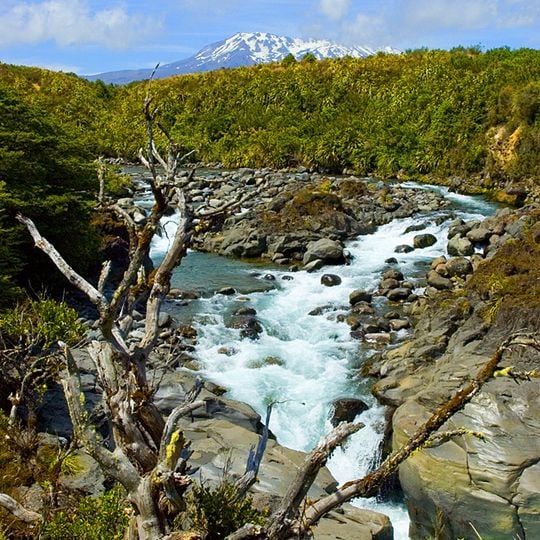
Tongariro National Park, National park in Manawatū-Whanganui Region, New Zealand
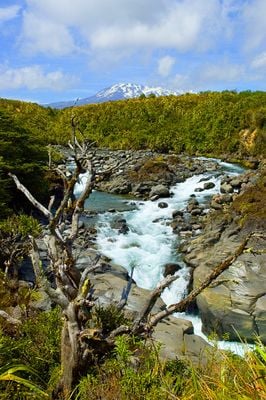
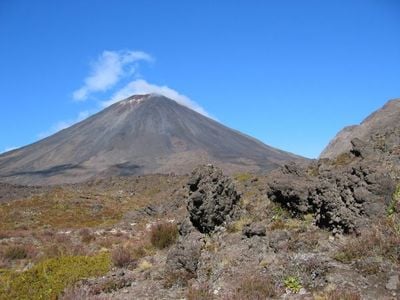
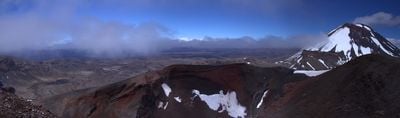
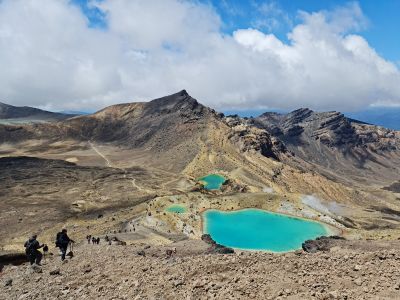
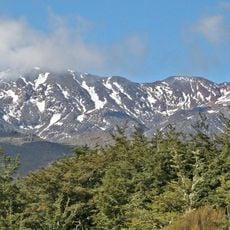
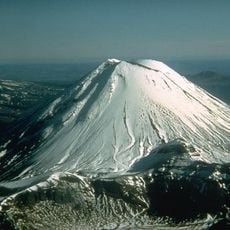
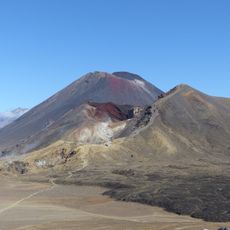
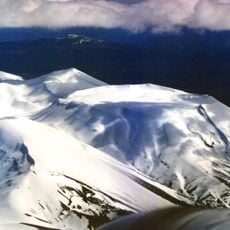
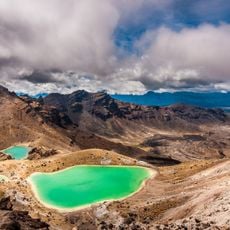
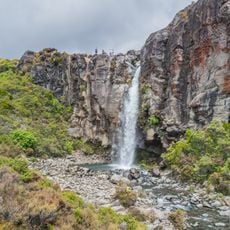
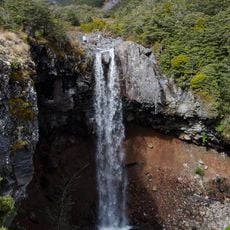
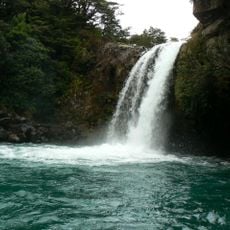
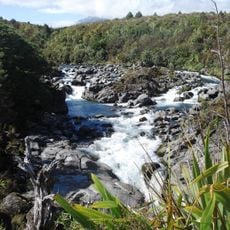
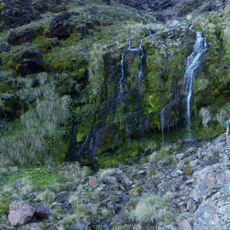
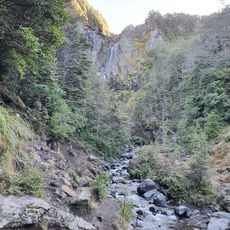
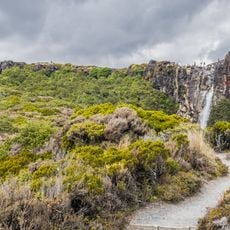
Tongariro National Park is a large protected area centered on three active volcanoes: Tongariro, Ngauruhoe, and Ruapehu, each surrounded by alpine meadows and native forests. The terrain shifts between open high country with volcanic formations, lakes, and valleys, letting visitors experience different ecosystems within short distances.
The park was established in 1887 when a Ngāti Tūwharetoa chief donated land for protection, creating New Zealand's first national park area. This early conservation effort set a pattern for protecting other natural areas across the country.
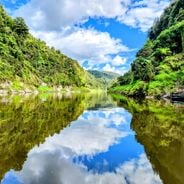
Māori personify the park's volcanoes in legend: Tongariro and Taranaki fought over Pihanga, and Taranaki's retreat carved the Whanganui River. The Tama Lakes are said to mark the gap he left. Many summits, including Ngauruhoe and Ruapehu, are tapu; in 2017 the Department of Conservation asked visitors not to climb them and to stop calling Ngauruhoe "Mt Doom".
Check weather forecasts and volcanic activity reports before heading out, since mountain conditions change rapidly and can become hazardous quickly. Dress in layers since temperatures drop with elevation and wind can intensify exposure on open slopes.
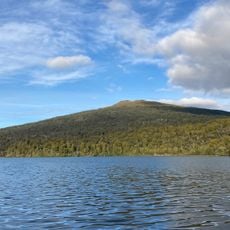
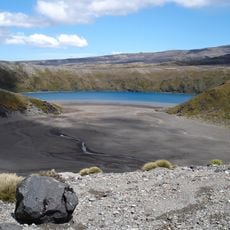
The Tama Lakes, two crater lakes between Ruapehu and Ngauruhoe, are called Ngā puna a Tama in Māori and are said to mark the gap left when Taranaki fled west after losing the battle for Pihanga, carving out the Whanganui River on the way.
The community of curious travelers
AroundUs brings together thousands of curated places, local tips, and hidden gems, enriched daily by 93,421 contributors worldwide.