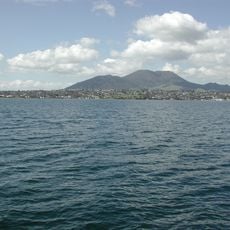
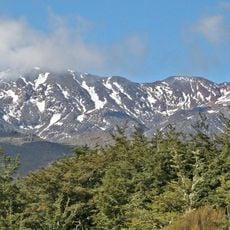
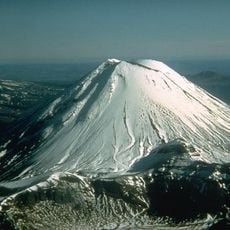
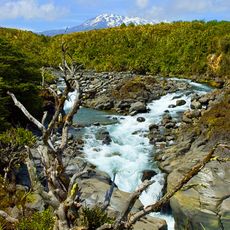
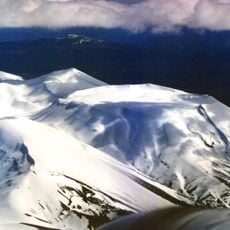
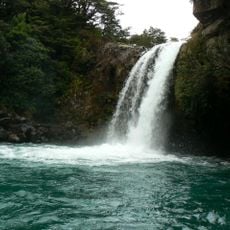
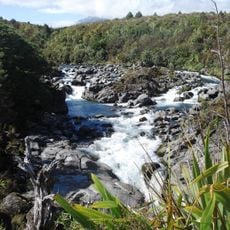
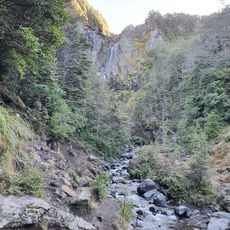
Pihanga, Volcanic summit in Tongariro National Park, New Zealand.
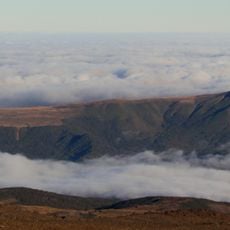
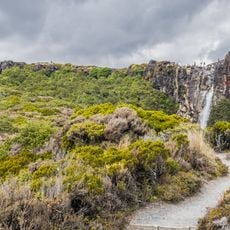
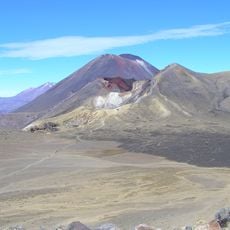
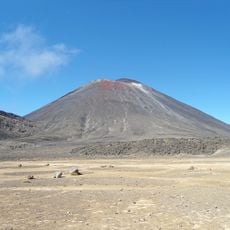
Pihanga is a volcanic summit rising 1,326 meters (4,351 feet) above sea level with dense native forests covering its steep slopes. The peak sits on the North Island's volcanic plateau and forms part of a protected scenic reserve.
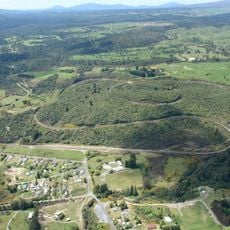
Pihanga's andesitic cone is older than once thought: a 123,000-year age has been challenged, with redating suggesting formation more than 180,000 years ago. Its youngest eruptions, aligned north-north-east to south-south-west with the Taupō Volcanic Zone rifting, occurred over 20,000 years ago. The Poutu Fault Zone runs just to the east.
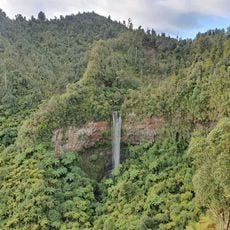
The mountain holds deep meaning for the Ngāti Tūwharetoa people, who consider it a sacred place. Walking through the native forests here, you sense how the landscape shapes spiritual and cultural identity for local communities.
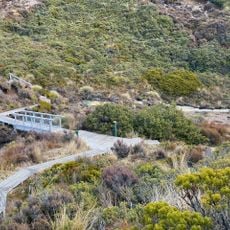
The mountain is accessible via marked hiking trails, but weather can shift rapidly, so bring sturdy footwear and a jacket. Starting early in the day gives you plenty of time for the climb and descent without rushing.
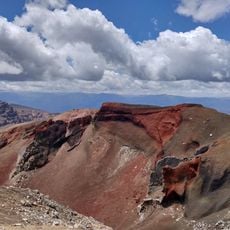
Lake Rotopounamu lies on Pihanga's south-western flank near Te Ponanga Saddle, not on the summit; the peak itself only appears to have a crater, which is in fact erosion that narrows into a steep gorge. The 5,129-hectare Pihanga Scenic Reserve, including the lake, was added to Tongariro National Park in 1975.
The community of curious travelers
AroundUs brings together thousands of curated places, local tips, and hidden gems, enriched daily by 94,080 contributors worldwide.