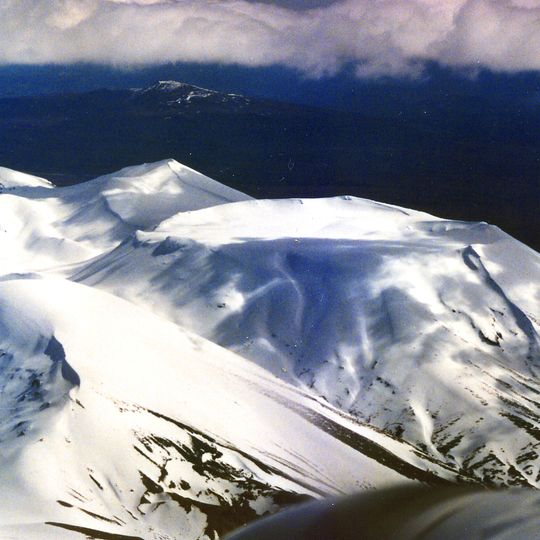
Mount Tongariro, Compound volcano in Taupō Volcanic Zone, New Zealand
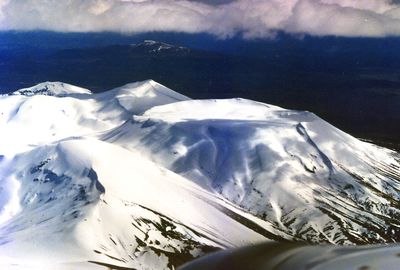
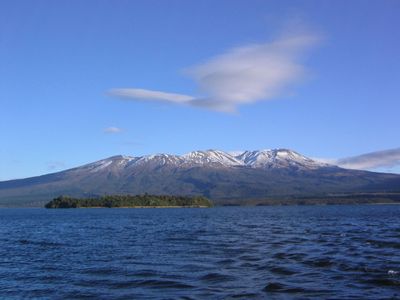
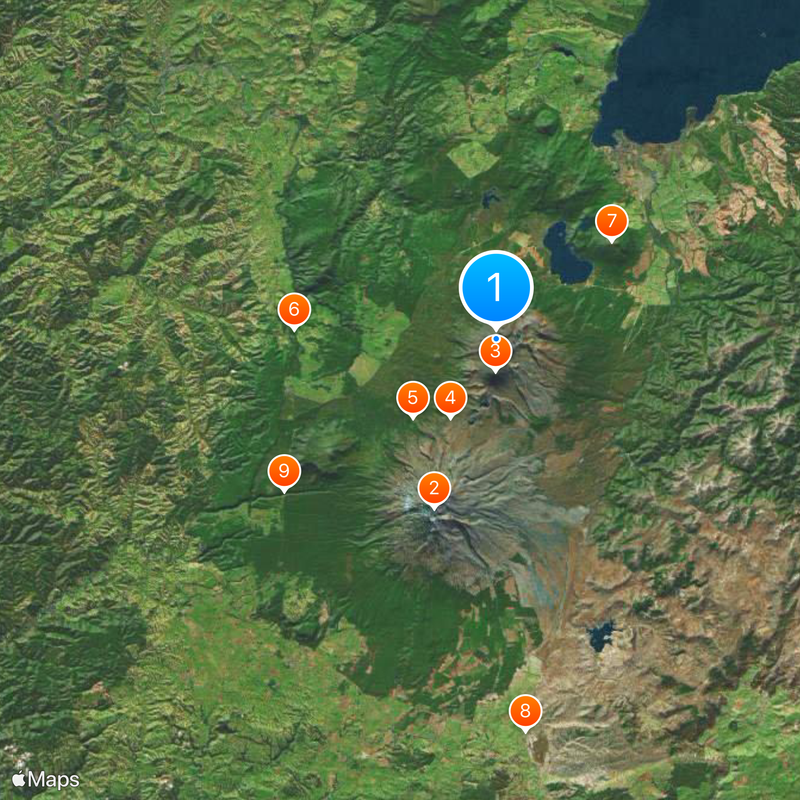
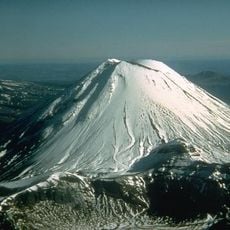
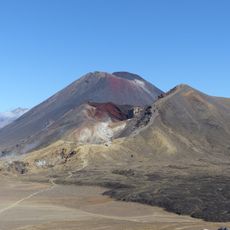
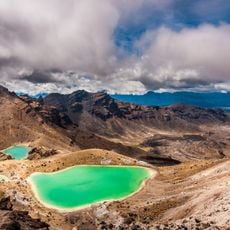
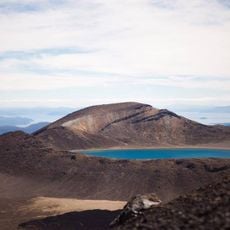
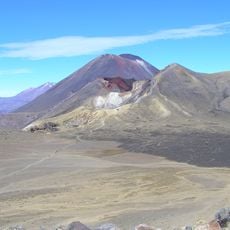
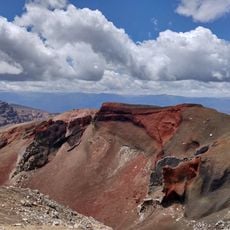
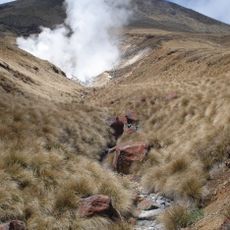
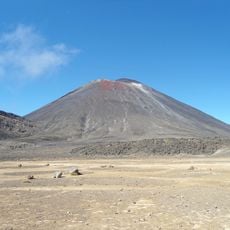
Mount Tongariro is a volcano made up of several cones in Ruapehu District and Taupō District, New Zealand, reaching an elevation of 1,978 meters (6,490 feet). Its slopes display red and black rocks, steaming fumaroles, and several crater lakes with turquoise and emerald water.
The volcano formed around 275,000 years ago through repeated eruptions that built layers of lava and ash. The most recent significant eruptions occurred at the Te Māri Craters in 2012, throwing rock over large distances.
The peak carries a name from the Māori language and serves as a sacred place for local iwi, who connect its summits with ancestors and stories. Walkers encounter this spiritual meaning today through ceremonial sites and traditional place names along the trails.
The crossing covers roughly 20 kilometers of alpine terrain with steep climbs and changing weather conditions, so proper footwear and warm clothing are necessary. The best time to walk is between December and March, when snow has mostly melted and trails remain accessible.
The crater lakes hold mineral-rich water heated by volcanic activity, creating unusual colors. Native birds such as the kea and pipit inhabit the barren high slopes despite the harsh conditions.
The community of curious travelers
AroundUs brings together thousands of curated places, local tips, and hidden gems, enriched daily by 90,911 contributors worldwide.