Manawatū-Whanganui, Administrative region in North Island, New Zealand.
Manawatū-Whanganui is an administrative region on New Zealand's North Island. It spans approximately 22,220 square kilometers from Taumarunui in the north to Levin in the south, containing both urban centers and rural areas.
The region was established in 1989 during New Zealand's local government reforms, merging ten territorial authorities into one administrative entity. This reorganization transformed how local governance operated in the area.
The region's name draws from two major rivers: Manawatū references an ancestral journey, while Whanganui means great harbor in the Māori language.
Palmerston North functions as the main service and business hub, while Whanganui serves as a secondary center for facilities and amenities. Both cities offer accommodation, dining, and other services for visitors exploring the region.
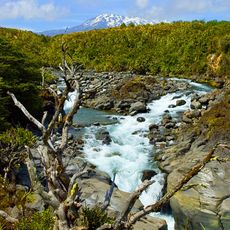
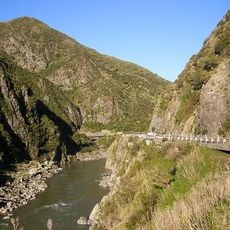
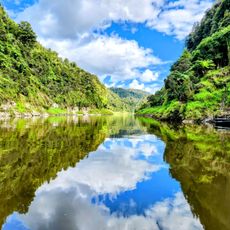
The Whanganui River, flowing through the region, is New Zealand's longest navigable waterway and attracts kayakers and nature enthusiasts. This water feature and its surrounding landscape make it a distinctive geographic element.
The community of curious travelers
AroundUs brings together thousands of curated places, local tips, and hidden gems, enriched daily by 60,000 contributors worldwide.