Moutoa Gardens, Urban park in Whanganui, New Zealand
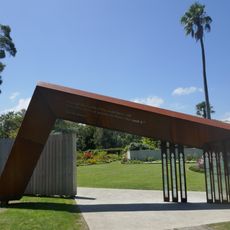
Moutoa Gardens is a park along the Whanganui River planted with native trees and plants. The grounds feature walking paths, open spaces, and several monuments throughout the landscaped area.
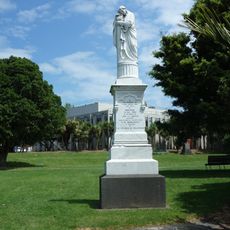
Pākaitore was a Whanganui iwi fishing settlement and later a trading post and port; the New Zealand Company bought Wanganui lands between 1839 and 1848. The reserve takes its name from the Battle of Moutoa Island of 14 May 1864, where 15 Māori and one European died. The Weeping Woman monument was installed on 26 December 1865; in 1995 the park was occupied for 79 days over a Treaty of Waitangi claim.
The name Pākaitore recalls the site's use as a fishing settlement and trading post for Whanganui iwi and hapū. It was considered a sanctuary where all iwi were equal and police could not enter. In 1995 the park was occupied for 79 days over a Treaty of Waitangi claim, led by Ken Mair, Tariana Turia, Henry Bennett, Niko Tangaroa and Matiu Mareikura.
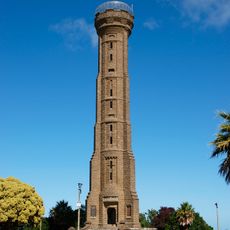
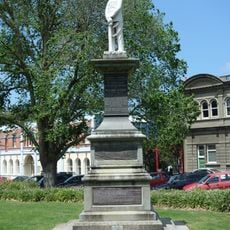
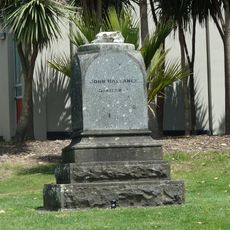
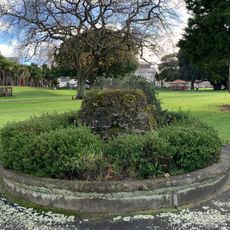
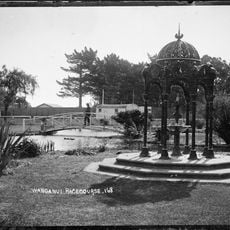
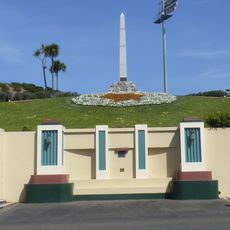
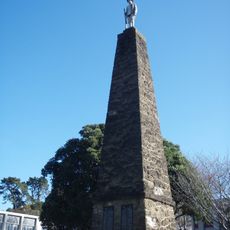
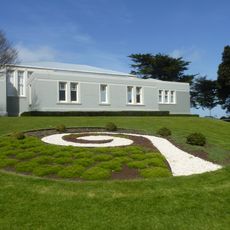
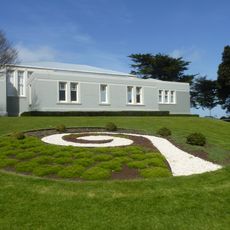
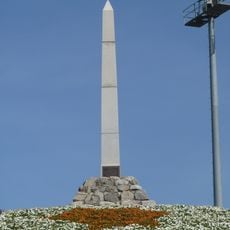
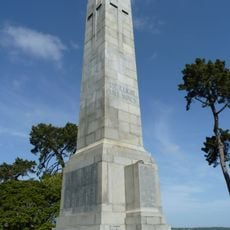
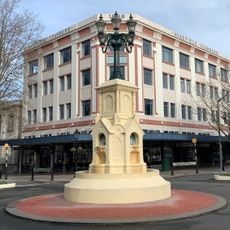
The park sits on the Whanganui riverbank, with the Kemp Monument and the 1925 Māori War Memorial obelisk as landmarks for orientation. The Ballance Memorial survives only as a plinth, its statue having been removed in 1995. The 1900 fountain is no longer working and now forms part of a landscaped garden.
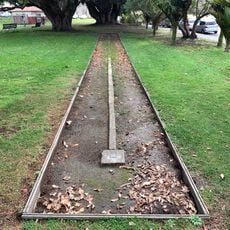
The park holds twelve registered heritage items, including a standard chain mark from 1880 that shows early New Zealand surveying methods. This mark is an unusual reminder of how the land was once measured.
The community of curious travelers
AroundUs brings together thousands of curated places, local tips, and hidden gems, enriched daily by 93,424 contributors worldwide.