Whanganui Regional Museum, Natural history museum in Pukenamu Queen's Park, Whanganui, New Zealand.
Whanganui Regional Museum is a natural history museum in Pukenamu Queen's Park housing extensive collections of natural specimens, historical artifacts, and Māori cultural items from the Manawatu-Wanganui region. The building brings together scientific displays with cultural works in one central location.
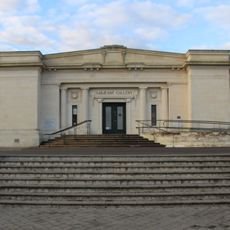
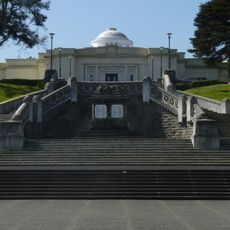
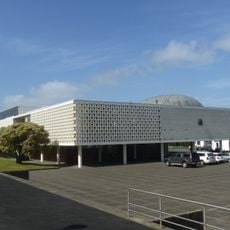
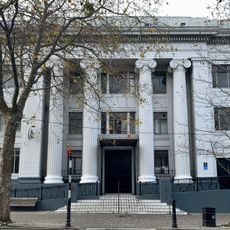
The Wanganui Public Museum opened on 24 March 1895, with Samuel Henry Drew as honorary curator after his private collection was sold to the town; the first building stood on the site of the present Savage Club Hall. A new two-storey building with a basement, designed by Robert Talboys, was built on Watt Street near Queen's Park in 1928 and named the Alexander Museum after Henry Alexander, whose estate funded it. A Davis Trust bequest paid for a 1968 rear extension with a Māori Court and lecture theatre. After earthquake strengthening, the museum reopened in March 2019.
The Māori collection includes taonga donated in 1933 by Dr and Mrs Wall in memory of their son John Barnicoat Wall, who died in a mountaineering accident; they bought the late Dr A.K. Newman's collection of Māori artefacts for the museum. The William James Harding photographic archive of over 6,500 images, made between the 1850s and 1880s, was inscribed on the UNESCO Memory of the World Aotearoa New Zealand register in 2024.
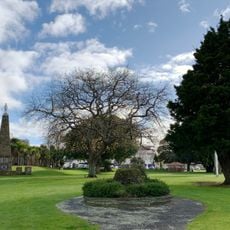
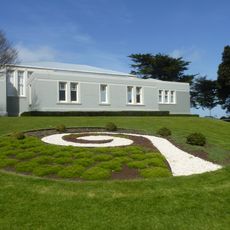
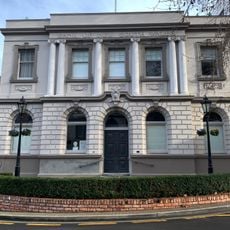
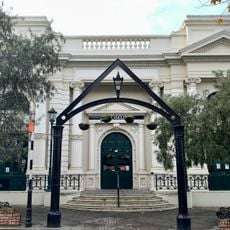
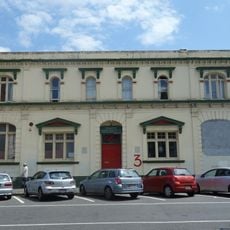
The museum stands on Watt Street beside Queen's Park, in the building opened in 1928 and strengthened and refurbished before reopening in March 2019. During that closure, exhibitions ran at the old Post Office building at 62 Ridgway Street. The 1968 rear extension holds a Māori Court, the Davis Lecture Theatre and a classroom; the former car park behind it became storage for the museum and the district council's archive department.
The institution holds an internationally recognized collection of moa bones discovered in the local area, including a complete skeleton found in Wanganui East. These prehistoric finds offer rare insight into the extinct giant birds that once lived in the region.
The community of curious travelers
AroundUs brings together thousands of curated places, local tips, and hidden gems, enriched daily by 93,429 contributors worldwide.