Whanganui National Park, National park in Manawatū-Whanganui Region, New Zealand
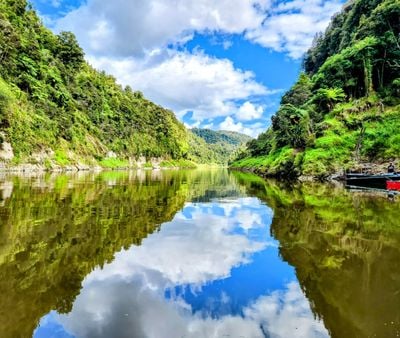
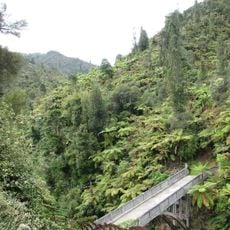
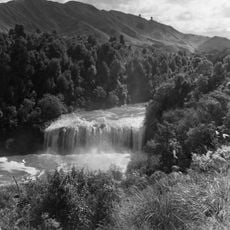
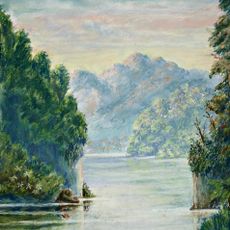
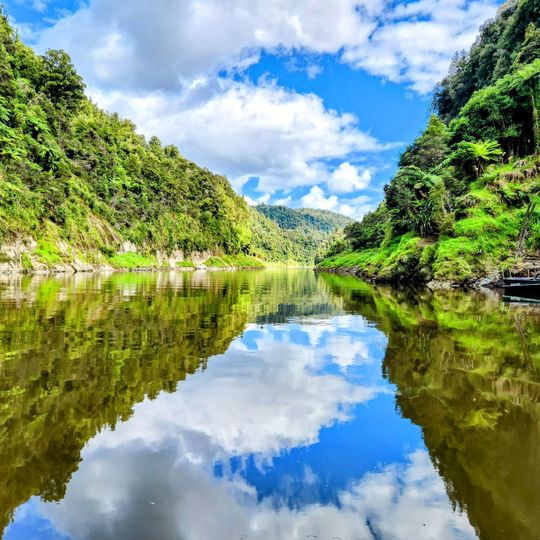
Whanganui National Park is a protected area in the North Island that features rainforest, deep river valleys, and native bush across its territory. The landscape is shaped by steep terrain, dense vegetation, and the Whanganui River cutting through the center, creating a dramatic network of valleys and forested ridges.
The park was established in 1986 to protect ancient Māori settlements and traditional pathways that served as important transportation routes for centuries. The river itself has been a vital link for human movement and cultural exchange since pre-European times.
The Whanganui River holds deep spiritual meaning for local Māori communities, who have maintained their connection to these lands for countless generations. You can feel this relationship through the place names and sacred sites scattered throughout the park.
The park offers multiple entry points with hiking trails, camping facilities, and river activities, with the main access near the town of Whanganui. Plan your visit during drier months when trail conditions are better and river activities are safer to enjoy.
The Whanganui River received legal status as a person in 2017, a globally rare decision that reflects how indigenous views of nature are being written into law. This recognition stands as an extraordinary example of how traditional knowledge shapes contemporary environmental protection.
The community of curious travelers
AroundUs brings together thousands of curated places, local tips, and hidden gems, enriched daily by 90,869 contributors worldwide.