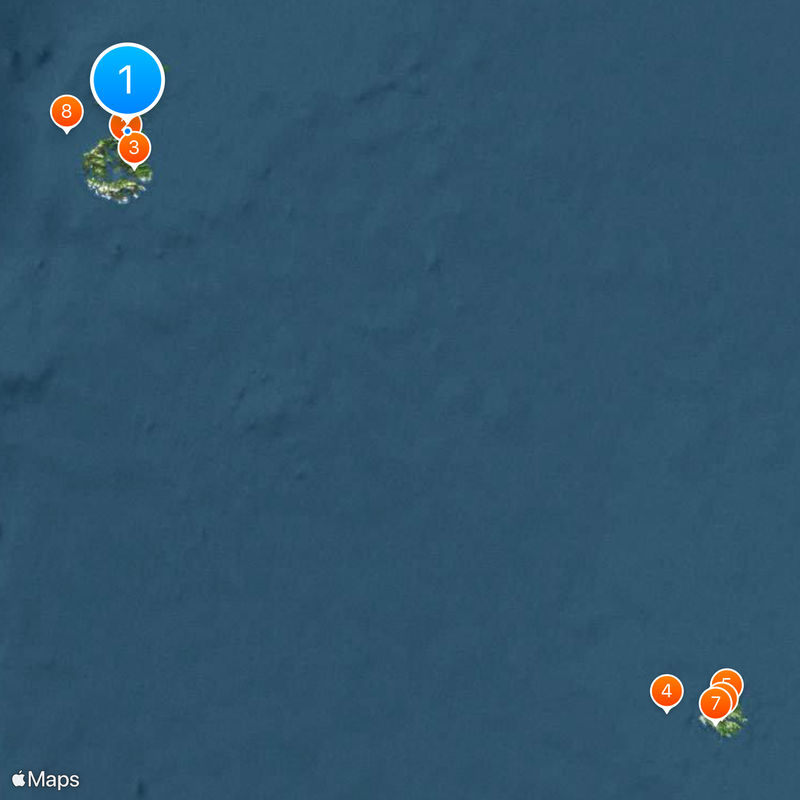
Auckland Island, Subantarctic island in South Pacific Ocean, New Zealand.
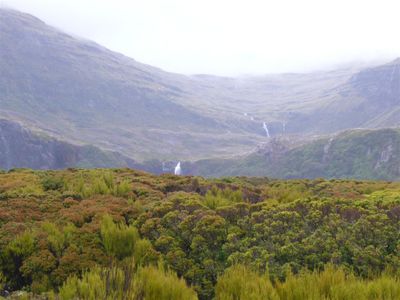
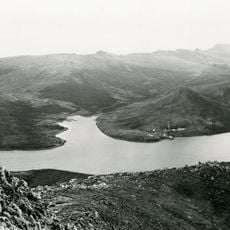
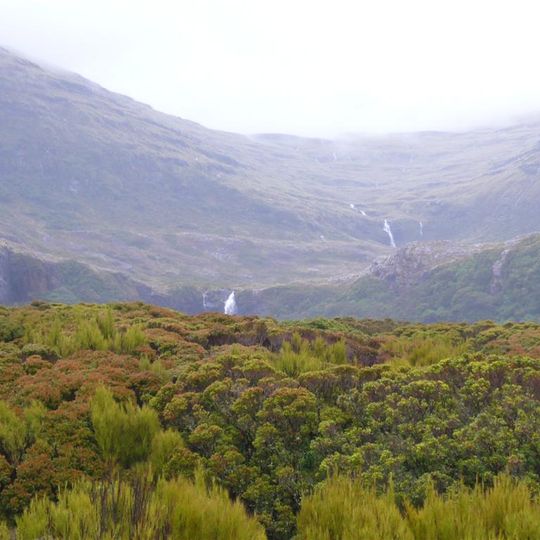
Auckland Island is a subantarctic island in the South Pacific with steeply dropping coastal cliffs and deep valleys shaped by volcanic activity. The landscape displays rugged coastal formations and a wild-looking topography that spans dozens of kilometers.
Captain Abraham Bristow discovered and named this island in 1806, which led to exploration and early settlement attempts by European seafarers. Sealing stations were later established, making the island economically viable for a brief period.
The Māori call this place Mauka Huka, reflecting their deep connection to this remote land. Visitors can recognize through this name the long Polynesian history that extends back roughly 600 years.
Access to the island is strictly protected and controlled by the Department of Conservation to preserve the fragile ecosystems and resident species. Visitors should inquire about what special conditions and permits are required before planning a trip.
The island serves as a crucial breeding site where roughly four-fifths of all New Zealand sea lions return each year to reproduce. These animals come back to raise their young on the protected shores.
The community of curious travelers
AroundUs brings together thousands of curated places, local tips, and hidden gems, enriched daily by 90,842 contributors worldwide.