Takapūneke, Sacred Māori settlement in Akaroa, New Zealand.
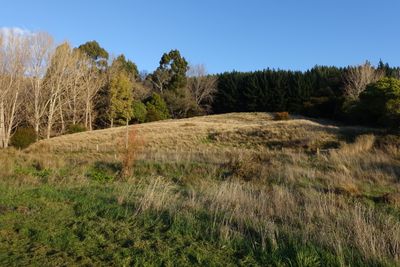
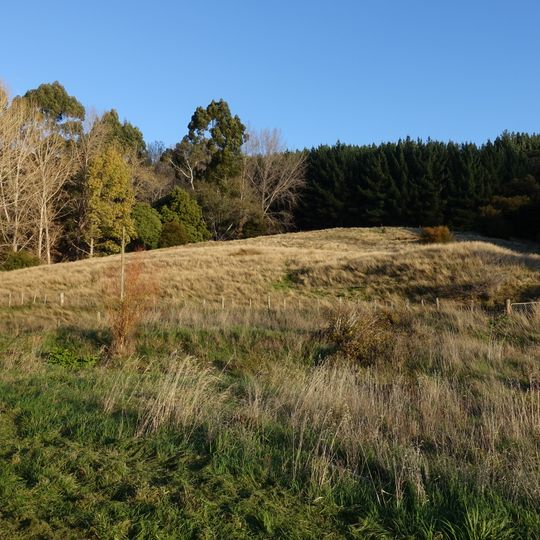
Takapūneke is a former unfortified Māori village located near present-day Akaroa with natural harbor access that supported traditional fishing. The coastal setting shows why this location was chosen for maritime work and daily subsistence.
In November 1830, Te Rauparaha of Ngāti Toa returned on the brig Elizabeth, captained by John Stewart, who had been promised a cargo of flax for transporting a 100-strong war party. Tama-i-hara-nui was enticed aboard on 6 November and seized; that night the village was raided, its people killed or enslaved, and the chief later tortured to death on Kapiti Island. The massacre led to the appointment of James Busby as British Resident and contributed to the 1840 Treaty of Waitangi.
The name Takapūneke means "a bay to drag in a fishing net" in Māori, referring to the sheltered anchorage where nets were hauled ashore. The kāinga was a base for trade with Europeans, exchanging food, timber and flax fibre (harakeke) gathered around Akaroa Harbour. Visitors can still see the coastal setting that made both fishing and trade possible.
The site holds protection status as a Wāhi Tapu Area and is managed by Christchurch City Council, with management plans in place since 2018. Visitors should be aware this is a sacred place of importance to the Māori community.
A sewage treatment plant built in 1960 sits on the core of the kāinga, and its construction dug up many of the site's middens; the council later called this "an act of particular cultural insensitivity". A landfill in one corner of the reserve was capped in 1999, and the plant is to be relocated.
The community of curious travelers
AroundUs brings together thousands of curated places, local tips, and hidden gems, enriched daily by 94,553 contributors worldwide.