Tapuae-o-Uenuku, Mountain summit in Inland Kaikōura Range, New Zealand
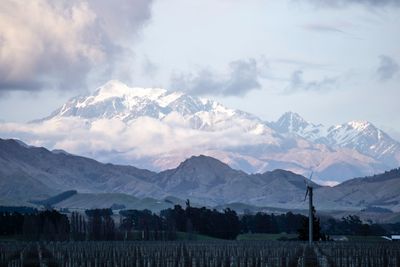
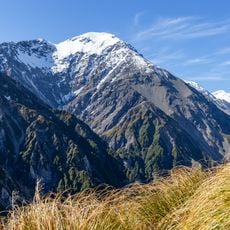
Tapuae-o-Uenuku is the highest peak in the Inland Kaikōura Range on New Zealand's South Island, rising to 2,885 metres. It stands above the valleys of the Waiau Toa / Clarence and Awatere Rivers and is visible from Mount Ruapehu, more than 340 km away.
James Cook sighted the peak in February 1770 and reputedly named it Mount Odin, though that name only appeared in newspapers and on maps much later. In 1849 Edward John Eyre, Lieutenant-Governor of New Munster, and William John Warburton Hamilton made the first European attempt to climb it, turning back a short distance below the summit.
The name Tapuae-o-Uenuku translates from Māori as "footprint of the rainbow", though it is usually regarded as named after Chief Tapuaenuku. The older spelling Tapuaenuku, which can be read as "to shuffle", was dropped from maps because of its insulting sense. Locals shorten the mountain's name to "Tappy".
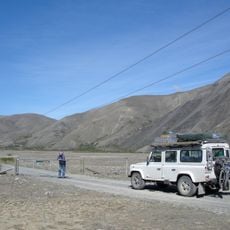
The peak lies in the Inland Kaikōura Range, with water on the southeast flank draining to the Waiau Toa / Clarence River and on the northwest side to the Awatere River. The Awatere Valley Road runs through the valley of the latter river, giving road access to the mountain's approach. The slightly lower Mount Alarm (2,877 m) stands to the southwest.
Edmund Hillary trained on this mountain during World War II with the Royal New Zealand Air Force before his later achievement on Mount Everest. This climbing experience helped develop the skills that would prepare him for his future mountaineering successes.
The community of curious travelers
AroundUs brings together thousands of curated places, local tips, and hidden gems, enriched daily by 94,306 contributors worldwide.