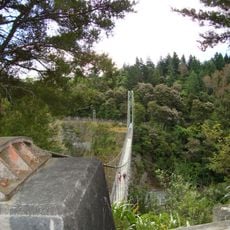
Maungatautari, Wildlife sanctuary and extinct volcano in Waipa District, New Zealand
Maungatautari is a forested mountain in the Waipa region that serves as a refuge for native animals and plants. The area is surrounded by a special fence that prevents predators from entering and threatening the species living there.
The mountain was originally overrun with predators that threatened native species, but a major conservation project led to the construction of a fence and removal of these animals. This action allowed species to be reintroduced that had long disappeared from the region.
Waikato Tainui oral history credits Rakatāura, also called Hape, the tohunga of the Tainui canoe, with naming the mountain after he and his wife Kahukeke explored the Waikato interior from Kawhia Harbour. The Ministry for Culture and Heritage translates Maungatautari as "mountain of the upright stick". The Maungatautari Marae and its meeting house Te Manawanui stand at the northern edge of the mountain overlooking the Waikato River.
The mountain has well-developed walking trails where you can explore nature, and most paths are relatively easy to walk. It is advisable to wear sturdy footwear and bring water, especially on warmer days.
The mountain is home to rare bird species like the kiwi, which is nocturnal and not easily seen elsewhere in New Zealand. The breeding programs here have proven successful and make the location globally important for bird conservation.
The community of curious travelers
AroundUs brings together thousands of curated places, local tips, and hidden gems, enriched daily by 94,566 contributors worldwide.