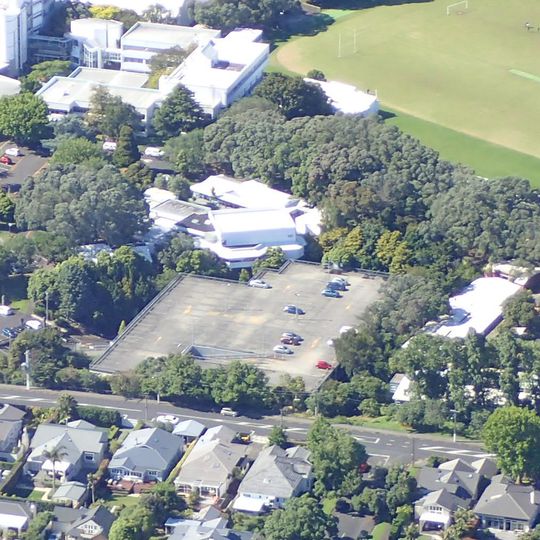
Te Pou Hawaiki, former volcano in New Zealand
Te Pou Hawaiki is a volcano site near Auckland, New Zealand, that belongs to a group of volcanoes beneath the Auckland volcanic field. The cone was made of scoria rock, stood low to the ground, and sat about 600 meters from Mount Eden before quarrying later altered its shape.
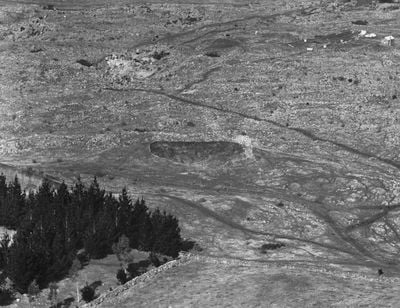
Te Pou Hawaiki erupted at least 28,000 years ago, possibly 153,000 years ago or earlier, making it older than Maungawhau / Mount Eden. Tāmaki Māori used the cone for rituals and built a small pā, Ōwhatihue, on it. It was quarried in the first half of the 20th century, and a carpark for the Auckland College of Education was later built on the site. Geologist E. J. Searle proposed the name Epsom Avenue in 1965.
Te Pou Hawaiki was a ritual site for Tāmaki Māori: soil from Hawaiki, the Māori homeland, was placed here in the early settlement period, and rites were held before major hunting and fishing expeditions. A small pā called Ōwhatihue stood on the cone, and the path Aratakihaere ("The Path of Single File") ran between it and Maungawhau / Mount Eden.
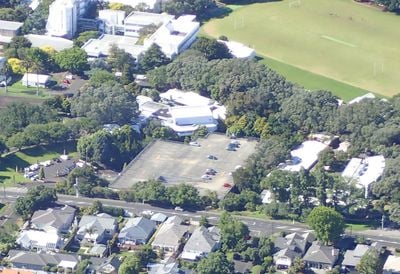
Nothing of the cone remains: the site lies under a carpark off Epsom Avenue, roughly 600 metres south-southeast of the Maungawhau / Mount Eden crater. Look for the level ground and the surrounding buildings rather than any volcanic shape. The Aratakihaere path once ran between the two volcanoes.
The cone was quarried away in the first half of the 20th century, and a carpark for the Auckland College of Education was later built on top of the site. Geologist E. J. Searle proposed the name Epsom Avenue for the volcano in 1965, a name that never displaced Te Pou Hawaiki or Ōwhatihue.
The community of curious travelers
AroundUs brings together thousands of curated places, local tips, and hidden gems, enriched daily by 94,589 contributors worldwide.