Yuma Desert, Desert region in southwestern Arizona and northwestern Sonora, United States and Mexico.
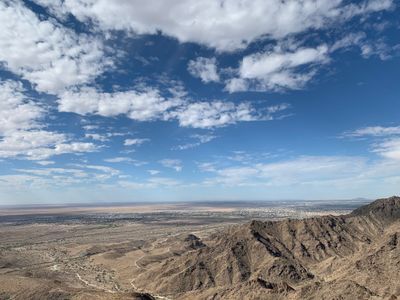
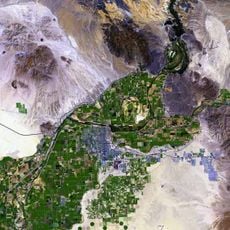
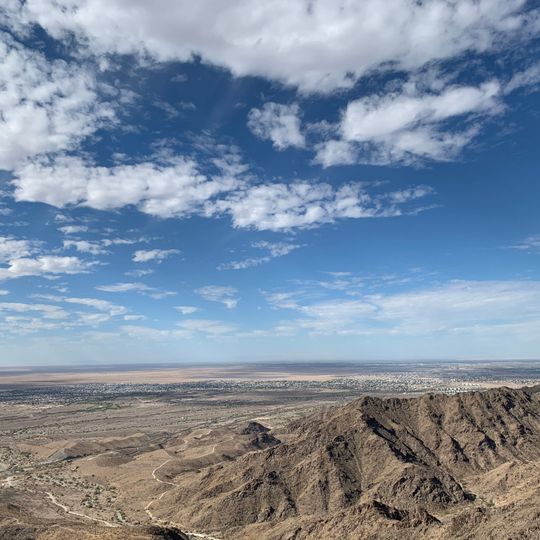
The Yuma Desert is a flat expanse of sand and dunes located between the Colorado River and the Gila River in the southwestern region. The landscape consists of rolling sandy terrain with sparse low-growing vegetation scattered across the plains.
The desert formed over millions of years through geological processes and later became a crucial crossing point during westward expansion in the 1800s. Indigenous peoples inhabited and traveled through this land long before it became a route for American settlers.
Local communities learned to work with the land by knowing which plants provide food and where hidden water sources appear. These survival methods shaped how people today understand and move through the region.
The best time to visit is between October and March when temperatures are more comfortable and stay below 100°F (37°C). Bring plenty of water, use a reliable vehicle, and protect yourself from the sun since shade is extremely limited in this open landscape.
The Colorado River marks a natural boundary where certain cacti like the saguaro grow only on the eastern side of the region. This geological division creates two distinct ecosystems on opposite banks of the same river.
The community of curious travelers
AroundUs brings together thousands of curated places, local tips, and hidden gems, enriched daily by 92,679 contributors worldwide.