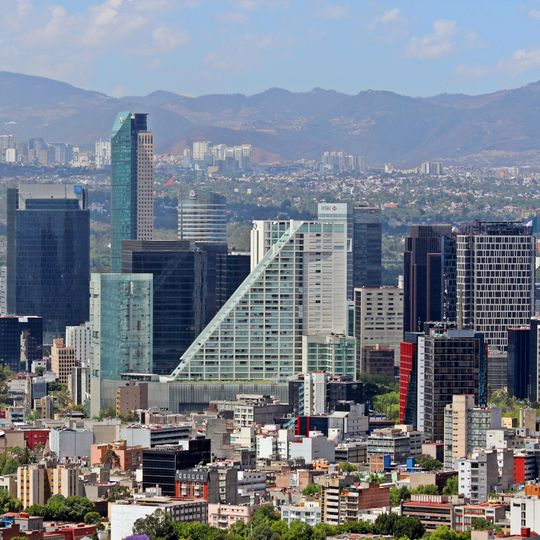
Mexico, Federal republic in North America
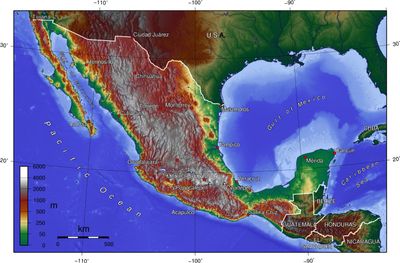
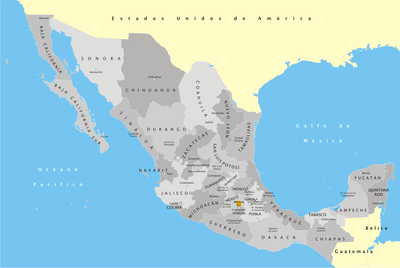
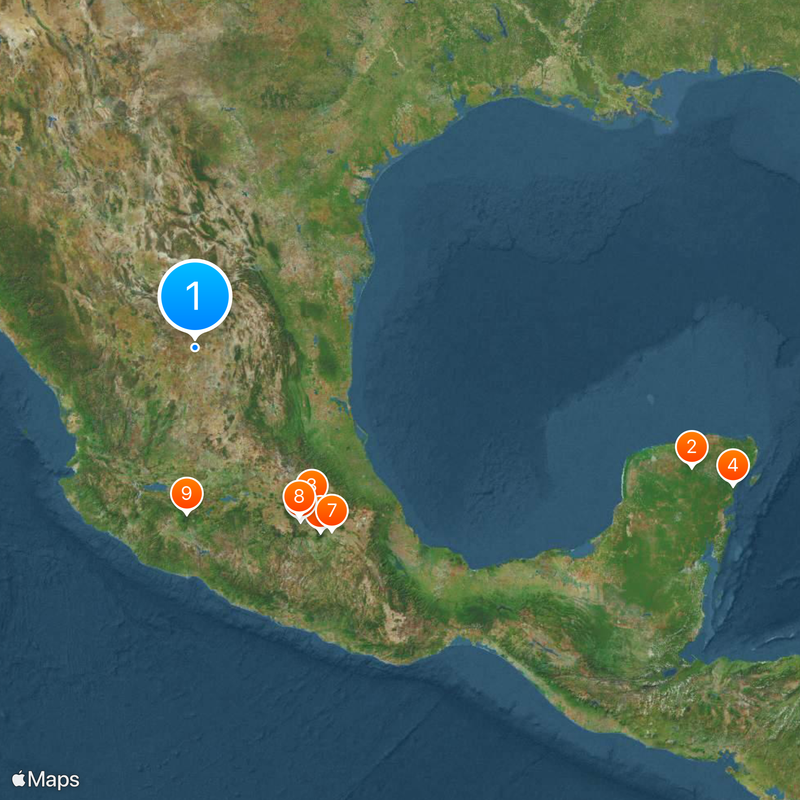
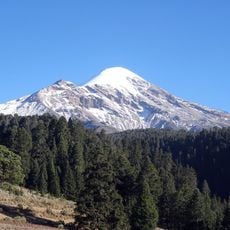
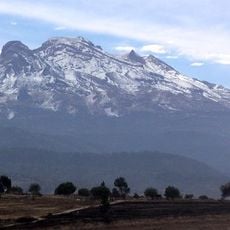
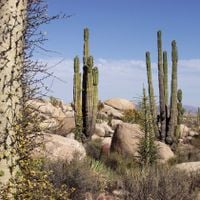
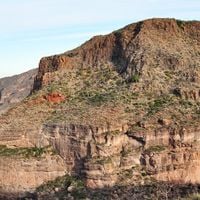
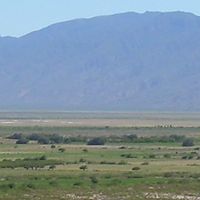
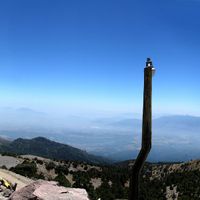
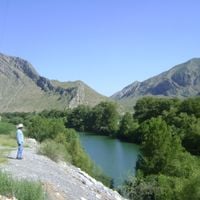
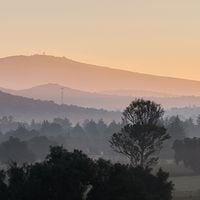
This country stretches across 1.9 million square kilometers (764,000 square miles) between the Pacific and the Caribbean, taking in desert plains, highland ranges, pine forests and tropical coastlines. The geographic spread creates different climate zones, from arid northern tablelands to humid rainforest pockets in the south.
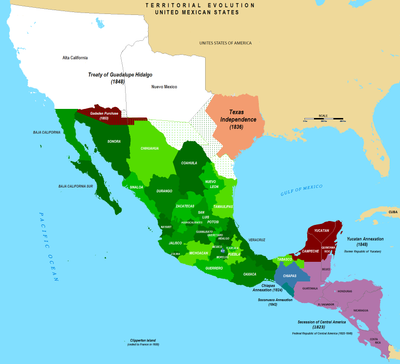
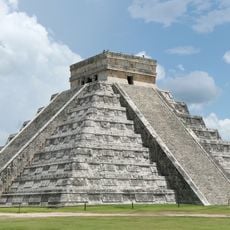
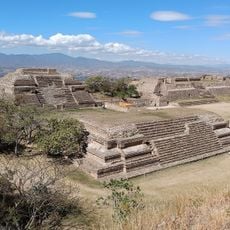
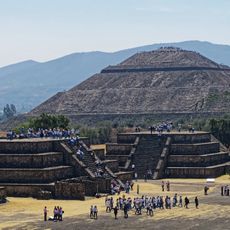
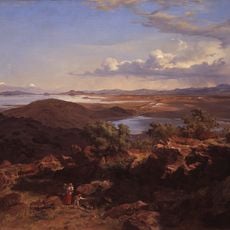
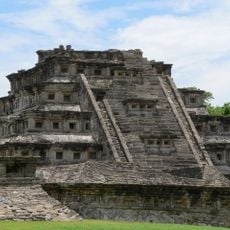
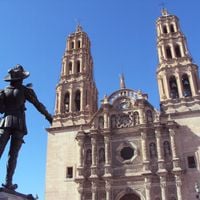
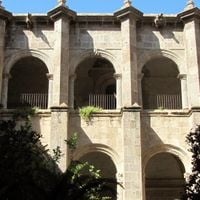
Civilizations such as the Olmec, Maya and Aztec inhabited the region before Spanish conquistadors arrived in 1521. Colonial rule ended in 1821 with independence, which shaped a new state.
Corn, beans and chili form the backbone of the kitchen, while neighborhood tortillerías press fresh flatbread daily for street vendors and families. Taquerías and open-air markets showcase regional cooking, from mole to tamales, which travelers can taste firsthand.
The peso is the official currency, which visitors should obtain at exchange offices or banks, since many small shops do not accept foreign money. Higher elevations can make breathing harder, so travelers from lowlands may need time to adjust slowly.
The Monarch Butterfly Biosphere Reserve draws millions of butterflies each winter, traveling 4,000 kilometers (2,500 miles) from Canada and the United States. The orange clouds blanket entire treetops in the mountain forests of Michoacán and Estado de México.
The community of curious travelers
AroundUs brings together thousands of curated places, local tips, and hidden gems, enriched daily by 90,865 contributors worldwide.