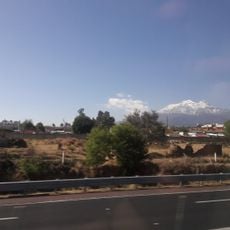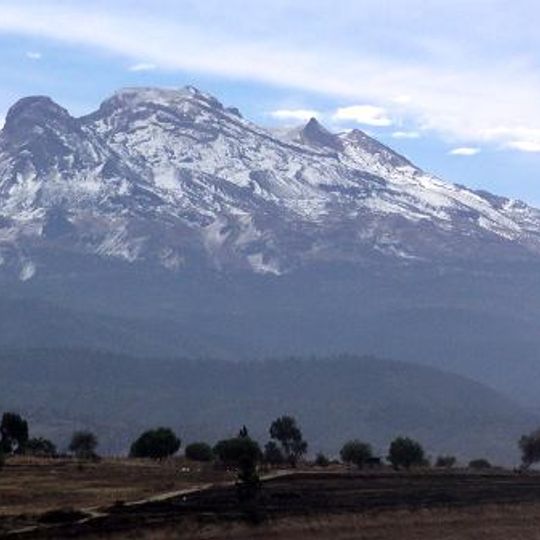
Iztaccihuatl, Active stratovolcano in Izta-Popo Zoquiapan National Park, Mexico
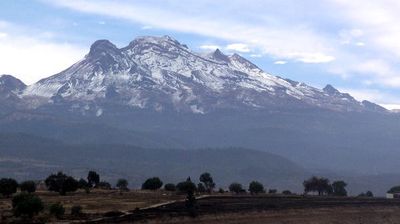
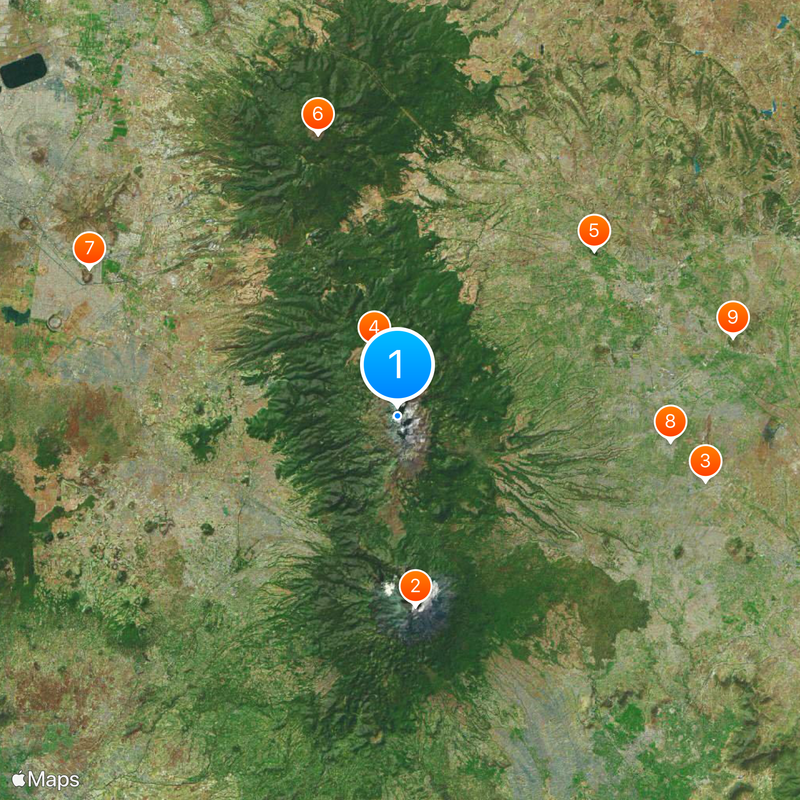
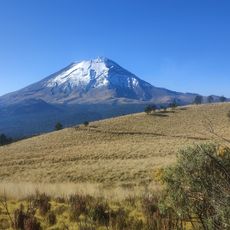
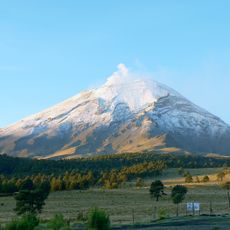
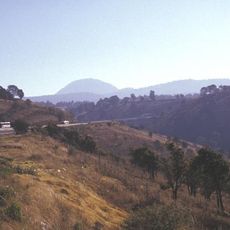
Iztaccíhuatl is an active stratovolcano on the border of the State of Mexico and Puebla, in Izta-Popo Zoquiapan National Park, rising to 5,215 m at its western summit, El Pecho. Its summit ridge is a line of overlapping cones running north-northwest to south-southeast, with the snow-covered head, chest, knees and feet forming the profile of a reclining woman seen from the valleys.
The first recorded ascent was in 1889, though archaeological evidence shows the Mexica and earlier cultures had climbed it before. The volcano is still active: its current activity is seismic, and it appears on Mexico's list of active volcanoes. Its summit ridge is a line of overlapping cones built by andesitic and dacitic eruptions, with tuff beds near the El Pecho vent dating from about 11,000 years ago.
The name comes from Nahuatl iztāc (white, like salt) and cihuātl (woman), and the four snow-capped peaks read as head, chest, knees and feet of a sleeping woman from east or west. In Tlaxcaltecan myth she was a princess who died of grief believing Popocatépetl had fallen in battle; the gods covered the pair in snow and turned them into mountains.
Mountaineers typically reach the summit via the La Joya route during the dry season from November to March, when conditions on the mountain are more stable. The climb requires proper acclimatization and technical skills for ice and snow, especially in the upper sections.
The volcano is Mexico's third-highest peak and marks the lowest elevation in the country where permanent snowfields and glaciers still exist. The ice has been shrinking for decades due to climate changes, and future generations may find a completely ice-free landscape.
The community of curious travelers
AroundUs brings together thousands of curated places, local tips, and hidden gems, enriched daily by 92,524 contributors worldwide.