Tláloc, Sacred mountain and archaeological complex in Ixtapaluca, Mexico.
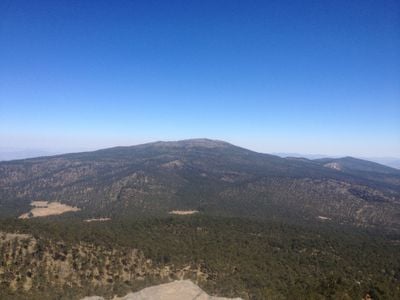
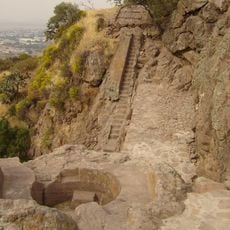
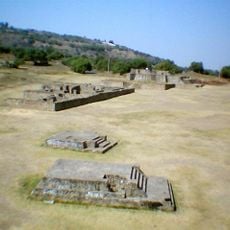
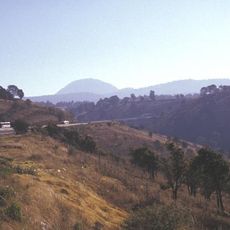
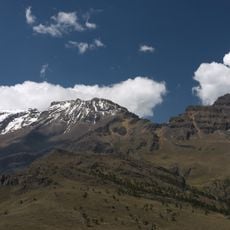
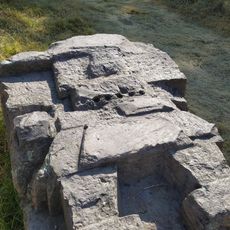
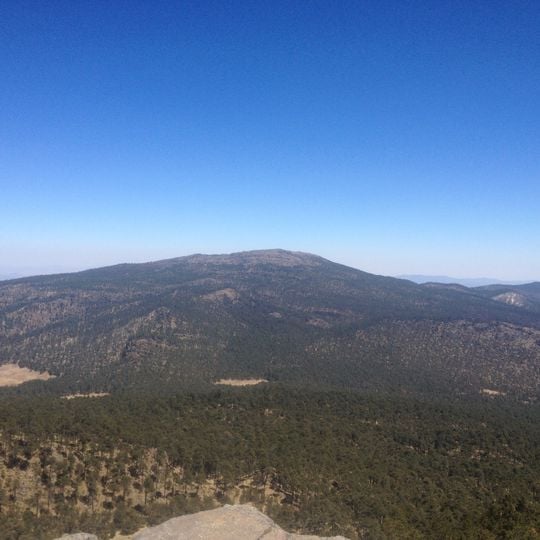
Tláloc is an archaeological site on a mountain in Ixtapaluca, Mexico, reaching 4151 meters (13619 feet) above sea level. The ceremonial center at the highest point covers around 4600 square meters (49514 square feet) and includes several stone structures and open spaces.
The temple complex was built during the pre-Hispanic period by the Triple Alliance of Tenochtitlán, Texcoco, and Tlacopan. These cities joined forces to dedicate a worship site to the rain god on the mountain summit.
The name comes from Tláloc, the rain deity worshipped by the Aztecs who believed he controlled water sources. Visitors today can see five rock formations at the summit that were regarded as seats of the Tlaloque spirits associated with rainfall.
The most gradual ascent starts at Federal Highway 150 near Río Frío de Juárez, gaining over 1,200 m on a long but non-technical route; steeper alternatives leave from San Pablo Ixayoc and other Texcoco-area towns. Annual mean temperature stays below 8 °C, with 1,000–1,200 mm of rain mostly from May to October, so bring warm layers and rain protection.
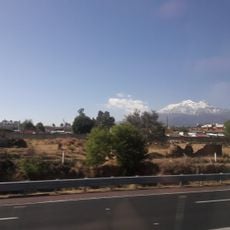
Around February 12, the sun rises between Pico de Orizaba and La Malinche as seen from the summit, creating the impression of a "ghost mountain". The date coincides with the nemontemi, the five "empty days" that closed the Mexica civil calendar. The summit shrine, built largely of local pumice and tufa, is among the highest-elevation shrines in the world.
The community of curious travelers
AroundUs brings together thousands of curated places, local tips, and hidden gems, enriched daily by 93,762 contributors worldwide.