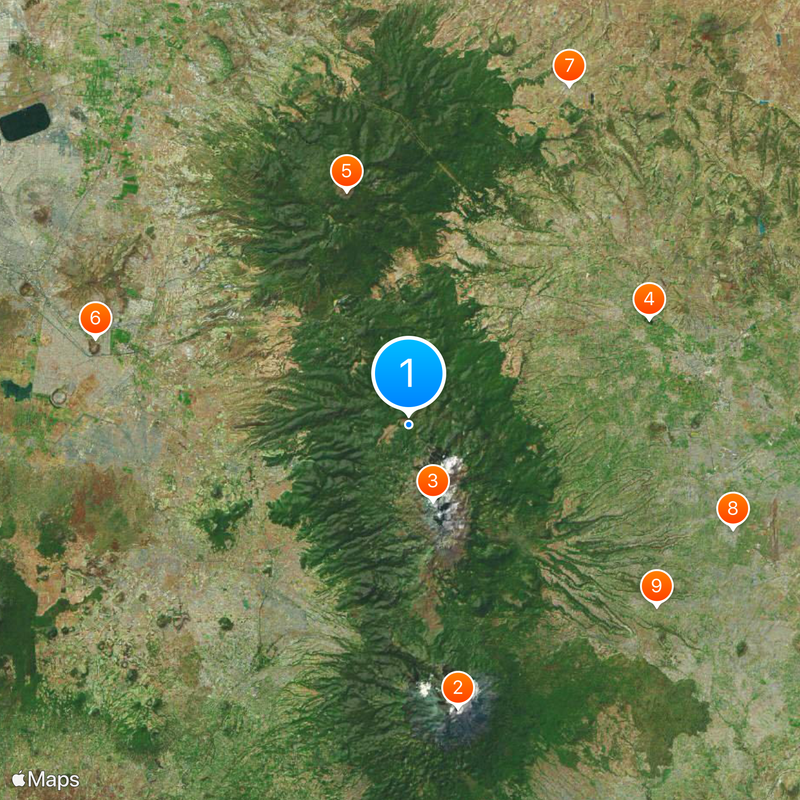
Iztaccíhuatl–Popocatépetl National Park, National park between State of Mexico, Puebla, and Morelos, Mexico.
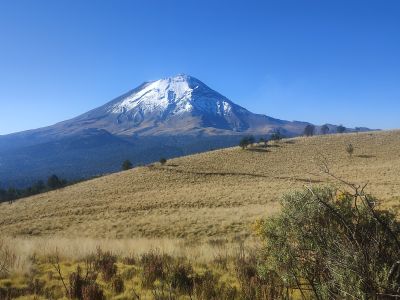
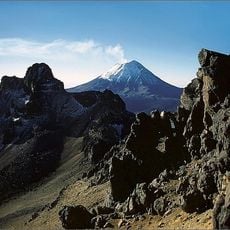
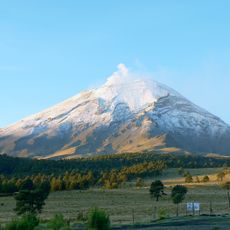
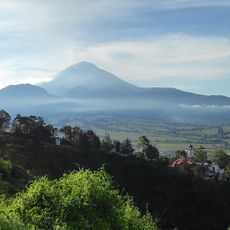
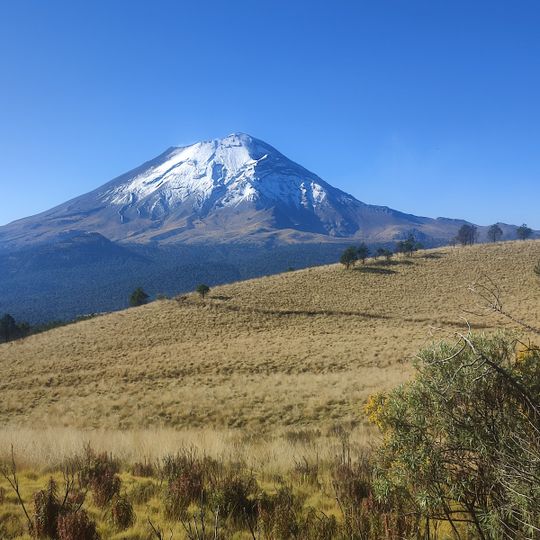
Iztaccíhuatl–Popocatépetl National Park stretches across three Mexican states and encompasses two of the country's highest peaks, including one active volcano. The terrain ranges from forested lower slopes to snow-capped summits, with trails passing through different climate zones and crossing varied types of vegetation.
President Lázaro Cárdenas created this protected area in November 1935 to safeguard both volcanoes and their surroundings from further deforestation. The establishment was part of a larger initiative to create natural reserves that spanned several regions of Mexico.
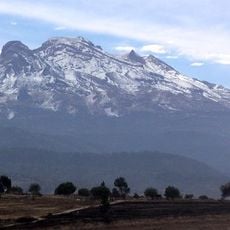
The name Iztaccíhuatl means sleeping woman in Nahuatl, while Popocatépetl translates to smoking warrior, both names dating back to pre-colonial times. The mountain's shape resembles a reclining figure, which hikers can still observe from different vantage points today.
Mountain streams within the reserve flow downhill and contribute to the water supply of several major cities through natural filtration. Visitors should watch for signage about volcanic activity, as certain zones may close when risk levels rise.
The volcano rabbit, a species with short ears and brown fur, lives only in the high elevations of these Mexican mountains and nowhere else on Earth. Observers sometimes spot the animals in grass tufts among lava rocks at altitudes above 3000 meters (9800 feet).
The community of curious travelers
AroundUs brings together thousands of curated places, local tips, and hidden gems, enriched daily by 91,807 contributors worldwide.