Popocatépetl, Active stratovolcano in Puebla, Mexico
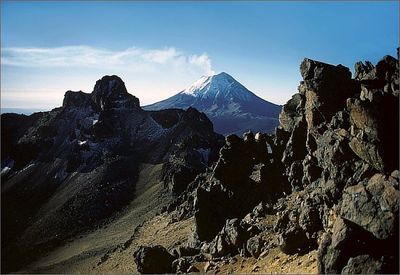
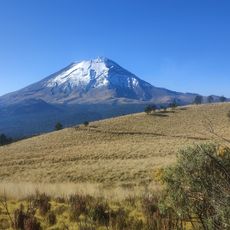
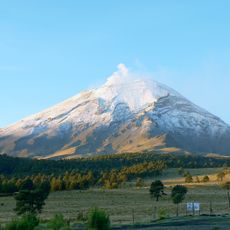
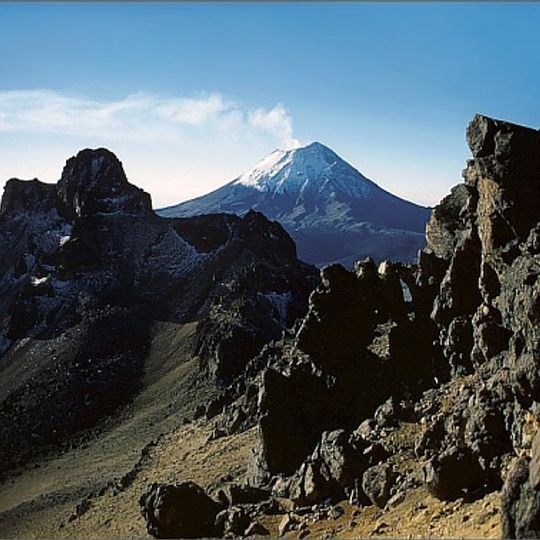
This stratovolcano rises more than 5400 meters above sea level, forming a symmetrical cone with steep sides that catch snow during colder months. The summit sits between the states of Mexico, Puebla and Morelos, forming a visible landmark across much of the central highlands.
Early Spanish expeditions reached the crater in 1522 to extract sulfur, though indigenous communities had long known the mountain before European arrival. After decades of relative calm, renewed activity began in 1994 and continues with varying intensity today.
People living around the mountain have developed a close relationship with it over generations, treating it as part of their daily routines rather than a distant natural force. Local residents share stories and observations about the way it changes from day to day, building a collective knowledge passed down within families.
Access to the summit is restricted due to ongoing volcanic activity, monitored by national authorities who issue regular updates about safety zones. Visitors can reach viewpoints and nearby parks at lower elevations where they can watch the mountain from a safe distance.
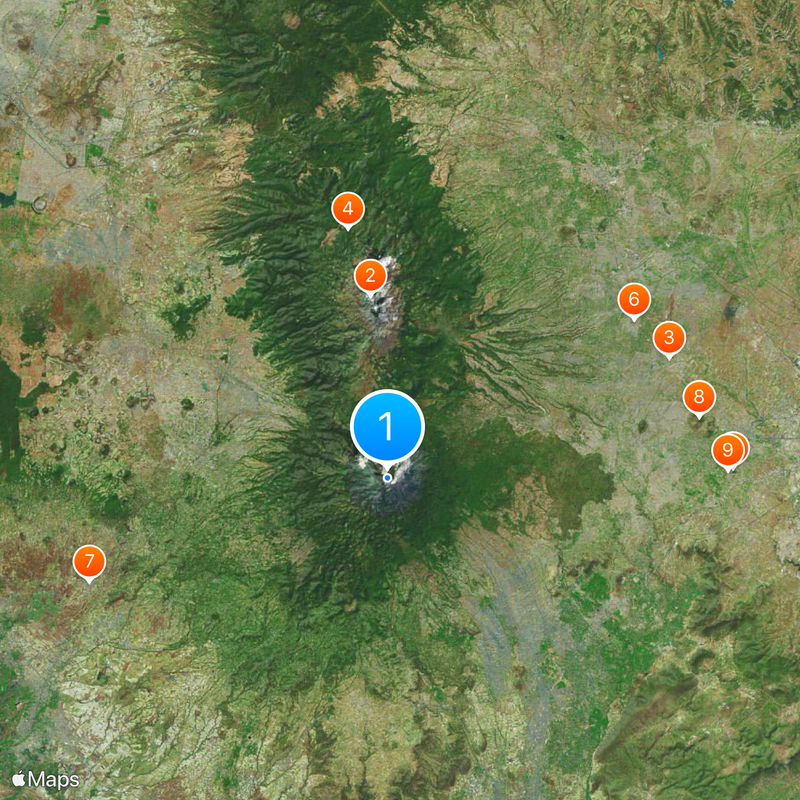
Locals call it Don Goyo after San Gregorio: every 12 March, residents of Santiago Xalitzina, 12 km away, bring flowers and food to the volcano. Legend says a villager once met an old man on the slopes who called himself Gregorio Chino Popocatépetl and warns them of eruptions.
The community of curious travelers
AroundUs brings together thousands of curated places, local tips, and hidden gems, enriched daily by 92,501 contributors worldwide.