Papayo, Volcanic formation in State of Mexico, Mexico
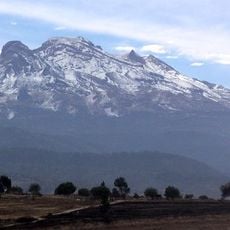
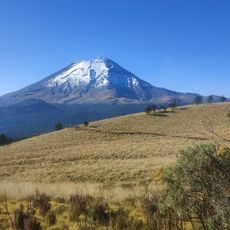
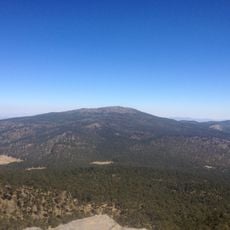
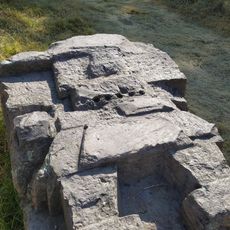
Papayo is a volcanic dome in Mexico, about 50 km southeast of Mexico City and 15 km north of the Iztaccíhuatl stratovolcano. Its massif consists mainly of dacite, and lava flows around it cover more than 84 km². The youngest lavas lie over moraines of the last Quaternary glaciation.
The volcano emerged during the period following the last Ice Age, as shown by studies of lava flows that spread over glacial deposits. This geological sequence indicates volcanic activity began after glacier retreat.
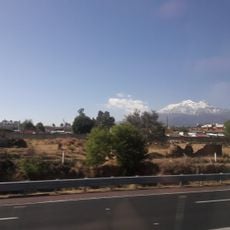
Papayo lies about 50 km southeast of Mexico City and 15 km north of Iztaccíhuatl, in the State of Mexico. Its name is shared with the volcano and with the dacite dome that forms its massif, a landmark for people travelling between the capital and the volcanoes. The youngest lava flows, covering over 84 km2, are less than 12,000 years old.
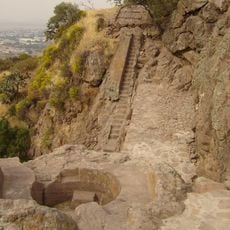
Access is via established trails where visitors can view the volcanic formations from different angles. Sturdy footwear is essential, as the lava surface is rough and uneven, requiring careful footing throughout the walk.
Papayo is a dacite lava dome, not a cone, and its lava flows cover more than 84 km2 around the massif. The youngest flows lie over moraines of the last Quaternary glaciation, which places them at less than 12,000 years old. The Global Volcanism Program lists the dome, and its last eruption date remains unknown.
The community of curious travelers
AroundUs brings together thousands of curated places, local tips, and hidden gems, enriched daily by 93,764 contributors worldwide.