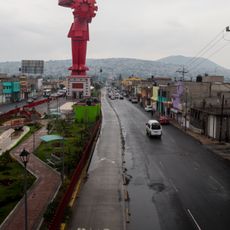
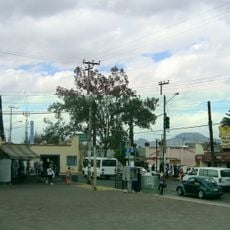
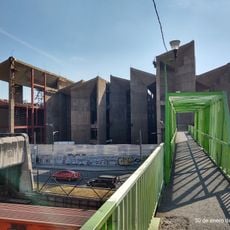
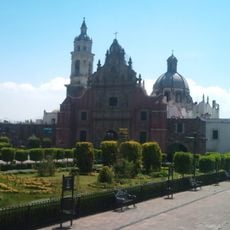
Santa Catarina Yecahuízotl, Indigenous settlement in Tláhuac, Mexico.
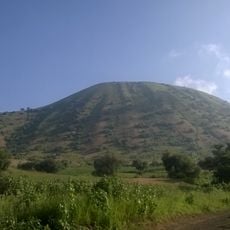
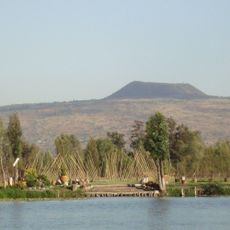
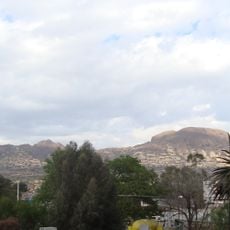
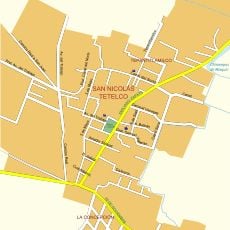
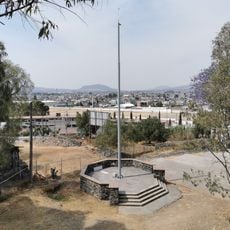
Santa Catarina Yecahuízotl is one of the seven original towns of Tláhuac, in Mexico City, at the foot of the Guadalupe volcano on what was the northern shore of Lake Chalco. It lies at 2,240 meters, with flat land rising toward the northwest and the agricultural fields of the Llanos de Tláhuac to the south.
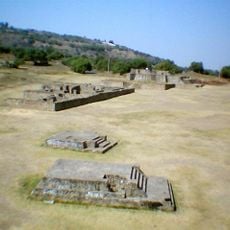
The settlement was called Cuauhtli Itlacuayan during the Post-Classic period, a name meaning Eagle's Feeding Place, before receiving its current name in colonial times. This shift in naming reflects the cultural changes that came with Spanish contact and governance.
The town's name comes from Nahuatl; sources dispute its meaning, proposing "ahuizote of clear water" or, from the Sierra de Santa Catarina once called Sierra de Ahuizotl, the "nose" of that amphibian-shaped range. The patron saint is Catherine of Alexandria, honoured on her feast day, November 25.
The settlement connects to Mexico City through public transportation with regular service from neighboring districts throughout the day. Visitors can reach it by bus and get around on foot once there.
The name Yecahuízotl has been mistranslated as "land of ants" or "nose of the amphibian"; the source argues these are errors, since "ant" is ázcatl and "nose" is yácatl, not yécatl (clear water). A more plausible reading is "ahuizote of the clear water", tied to the old Sierra de Ahuizotl, whose Guadalupe volcano was imagined as the creature's head and the town its nose.
The community of curious travelers
AroundUs brings together thousands of curated places, local tips, and hidden gems, enriched daily by 94,505 contributors worldwide.