Toniná, Maya archaeological site in Ocosingo, Mexico.
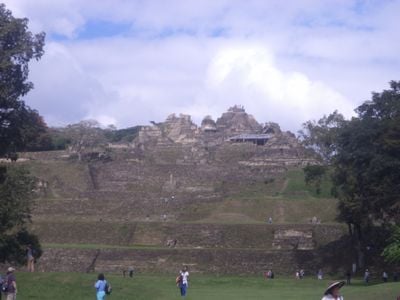
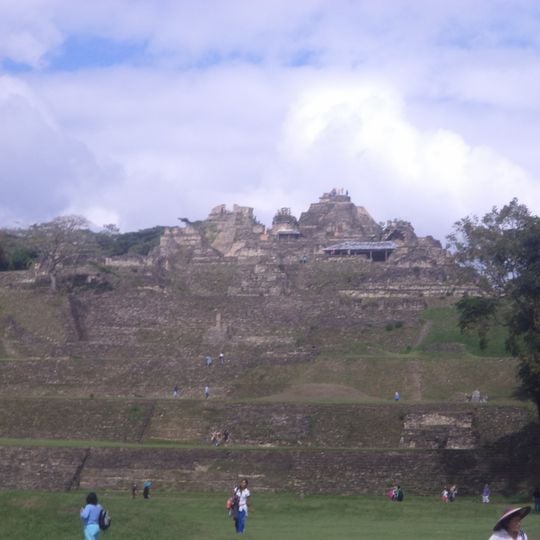
Toniná is a Maya archaeological site in Ocosingo, southern Chiapas state. The complex covers a terraced hillside with temples, palaces, and sculptures carved from gray limestone.
The city developed from around the 6th century and reached its height between the 7th and 9th centuries. Rulers waged war against Palenque and captured one of its kings in 711.
Toniná is a modern name from the Tzeltal language, meaning "house of stone" or "place where stone sculptures are raised". The city's original name was Po or Popo, as shown in the royal title k'uhul po' ajaw, "Divine Lord of Po". A group called po' winikob', "People of Po", took part in a Maya rebellion in 1558.
The ruins lie about 13 kilometers east of Ocosingo on a mountain ridge. Climbing through the terraces requires sturdy shoes and some fitness due to the steps and altitude.
Monument 101 carries the last known Long Count date on any Maya monument, 15 January 909 CE, marking the end of the Classic Maya period. The site also holds over 100 carved monuments, most from the 6th to 9th centuries, including in-the-round sculptures of bound captives such as the three naked prisoners depicted on a monument dated to 682.
The community of curious travelers
AroundUs brings together thousands of curated places, local tips, and hidden gems, enriched daily by 94,459 contributors worldwide.