Rosablanca Formation, Geological formation in Eastern Cordillera, Colombia.
Rosablanca Formation is a geological layer made of grey limestone, dolomite, and shale in the Colombian Andes. The rocks display ancient marine sediments stacked in distinct bands that reveal information about how this mountain region formed during the Early Cretaceous period.
Geologist Wheeler first documented this formation in 1929 and established it as a key reference for understanding Colombian rock structures. Since then, researchers have studied the layers to learn more about how the Andes developed over time.
The site contains remains of ancient marine creatures like the decapod Diaulax rosablanca and the turtle Notoemys zapatocaensis that lived in prehistoric seas. These fossil finds help visitors understand how different forms of life thrived in the shallow waters that once covered this region.
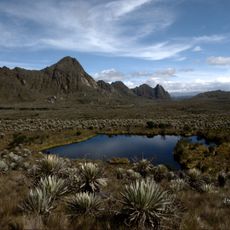
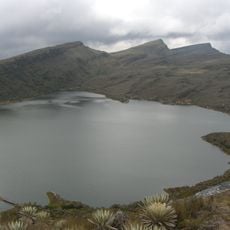
The main study area is located at Mesa de Los Santos, where the rock layers reach up to 425 meters thick and are relatively accessible. Visitors can observe the distinct strata and how researchers examine these natural exposures in the field.
The rocks formed from ancient shallow seas and contain organism remains dating to the Valanginian epoch. These specialized fossils reveal a time when this region was completely submerged underwater and looked entirely different than it does today.
The community of curious travelers
AroundUs brings together thousands of curated places, local tips, and hidden gems, enriched daily by 60,000 contributors worldwide.