Sumapaz Paramo, Alpine ecosystem in Cordillera Oriental, Colombia
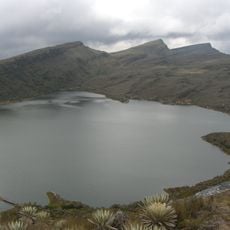
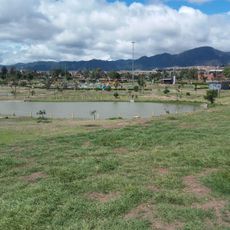
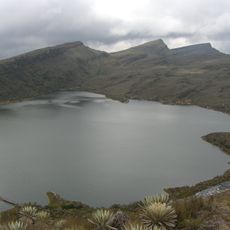
Sumapaz Paramo is a high-altitude basin in the Cordillera Oriental of Colombia, spanning 333,420 hectares between 3,500 and 4,000 meters. Its floor holds dark glacial ponds such as Chisacá and Boca Grande, edged by marsh and low tufted vegetation. Pale-leaved rosette plants grow from dry grass, and the land rises to rocky ridges, including the Nevado del Sumapaz peak at 4,306 meters.
Botanist Jose Celestino Mutis attempted an expedition through the area in 1783 but had to turn back because of the harsh conditions. In later decades parts of the region served as a retreat for armed groups during the Colombian conflicts.
The name Sumapaz comes from the Muisca language and means Father of the Waters, referring to the many streams and springs flowing through the area. Small groups still walk to traditional sites to pause briefly and show their connection to the land.
Warm and waterproof clothing is necessary because rain and fog move in quickly and humidity stays high throughout the day. Access is by unpaved paths that become slippery when wet and require sturdy footwear.
The spongy Sphagnum moss that carpets wide areas of Sumapaz raises the soil's capacity to hold water and nutrients. The páramo's endemic plants act like sponges for rain, feeding the streams of both the Orinoco and Magdalena basins. The spectacled bear feeds here on Puya boyacana fruits and the stems of Espeletia.
The community of curious travelers
AroundUs brings together thousands of curated places, local tips, and hidden gems, enriched daily by 92,749 contributors worldwide.