Catatumbo lightning, Meteorological phenomenon in Lake Maracaibo, Venezuela
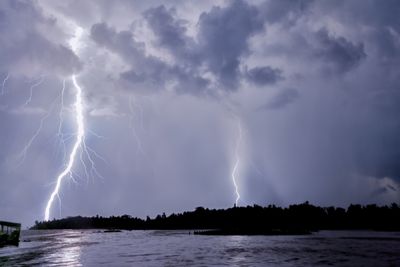
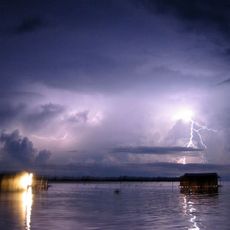
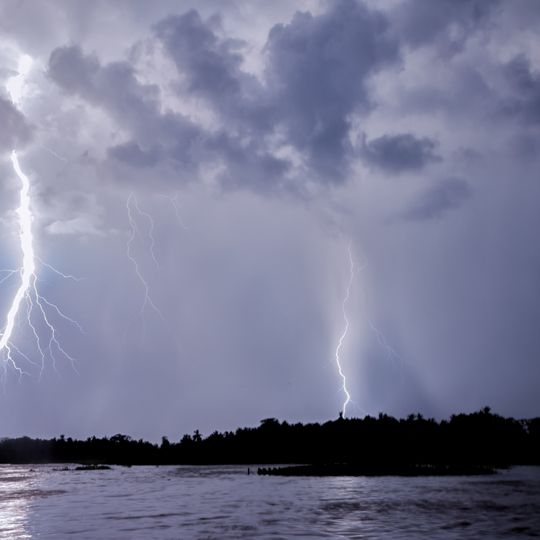
Catatumbo lightning is a meteorological phenomenon occurring where the Catatumbo River meets Lake Maracaibo in Venezuela. Electrical discharges light up the night sky during specific months, creating visible flashes that can occur repeatedly throughout the evening hours.
Spanish and Portuguese colonial ships relied on the regular lightning flashes as a natural navigation beacon at sea, naming it the Lighthouse of Maracaibo. This natural light source served sailors for centuries as a reliable guide across the water.
The lightning appears on the flag and coat of arms of Zulia state, symbolizing the natural power and regional identity. Local communities have incorporated this spectacle into their sense of place and connection to the landscape.
The phenomenon is most active between April and November when viewing conditions are optimal. Visitors should seek elevated vantage points and plan to watch during evening and nighttime hours for the best experience.
This location holds a Guinness World Record for the highest concentration of lightning strikes on Earth with roughly 250 strikes per square kilometer. The consistent frequency of these electrical discharges makes it one of nature's rarest phenomena.
The community of curious travelers
AroundUs brings together thousands of curated places, local tips, and hidden gems, enriched daily by 90,738 contributors worldwide.