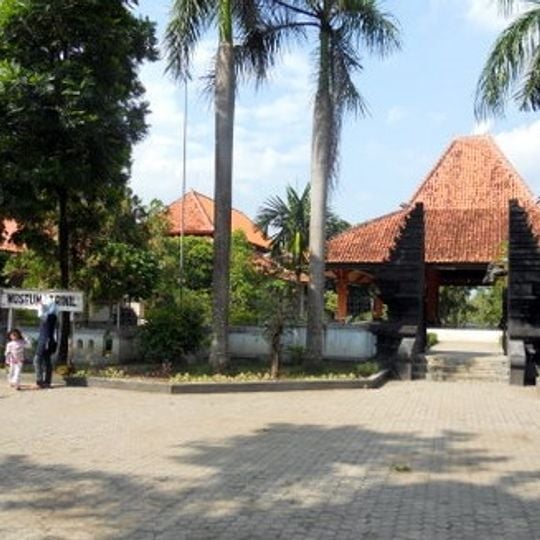
Trinil, Archaeological site in Ngawi, Indonesia
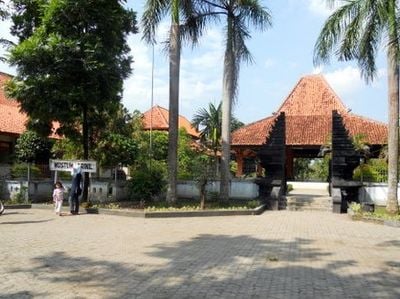
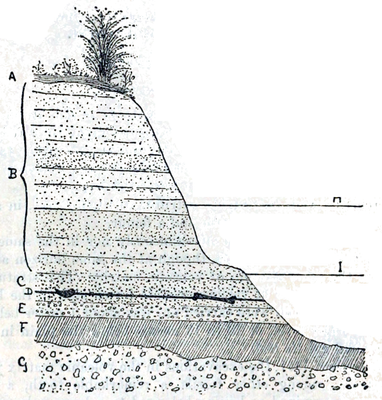
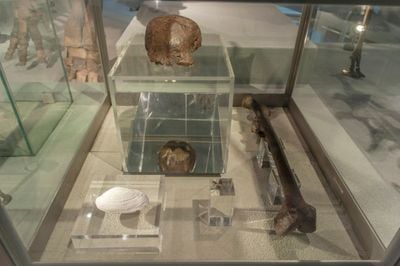
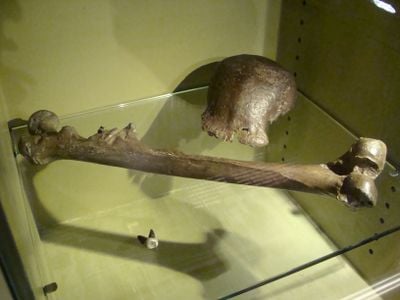
Trinil is an excavation area on the banks of the Bengawan Solo River in eastern Java, known as the site where important fossils and stone implements from early human history were unearthed. A small museum near the riverbank displays replica bones and tools, with panels explaining the excavation process and the context of the finds.
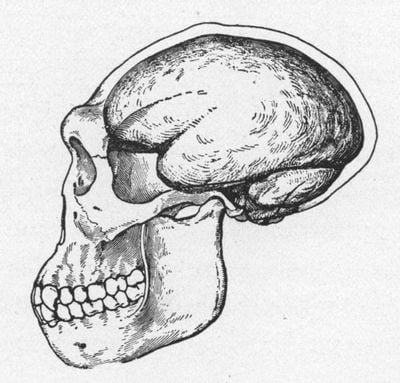
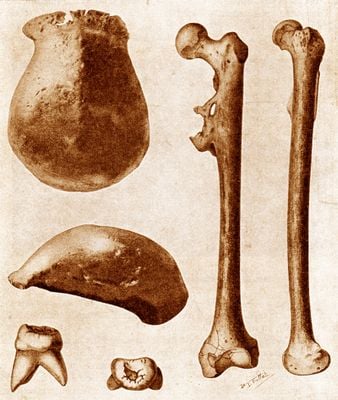
A Dutch anatomist excavated a fossilized skull cap and thigh bone here in the late 19th century, identifying them as belonging to an upright walker. These bones became known worldwide as Java Man and reshaped ideas about the spread of early humans beyond Africa.
Shell carvings unearthed here rank among the earliest known examples of deliberate patterning by human hands, suggesting a capacity for abstract thought. Visitors can examine replicas of engraved shells and imagine the riverside communities that created them half a million years ago.
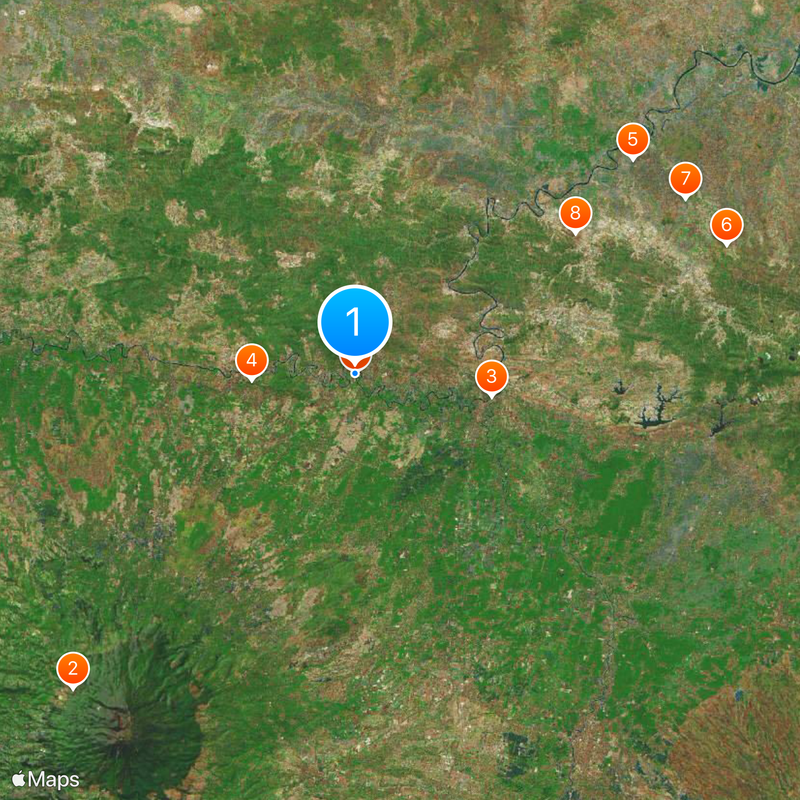
The location lies about an hour's drive from larger towns in a rural setting, so arriving by private vehicle or organized group is advisable. The museum grounds are flat and accessible via paved paths, making it easier to explore even in warm weather.
Alongside human fossils, excavations here uncovered petrified remains of elephants, rhinoceroses, and large turtles, painting a picture of the wildlife that roamed here hundreds of thousands of years ago. These finds show that the river once supported large mammals that have long since vanished from the region.
The community of curious travelers
AroundUs brings together thousands of curated places, local tips, and hidden gems, enriched daily by 60,000 contributors worldwide.