Iron Pot Lighthouse, Heritage lighthouse in South Arm, Tasmania.
Iron Pot Lighthouse is a square-based, obelisk-shaped sandstone tower on Iron Pot island in Storm Bay, at the mouth of the River Derwent. Its walls are 1.5-metre-thick sandstone blocks quarried on the island with convict labour. The 11-metre tower stands on a firm rock foundation and has a light range of 11 nautical miles.
Built in 1832 by convict labour from sandstone quarried on Iron Pot island, the 11-metre tower is Tasmania's oldest lighthouse and Australia's oldest original tower. Its first light was a hand-operated oil burner tended by a keeper living in a tent with two convict aides; shipowners' complaints about its weakness led to an upgrade only in 1851. In 1904 it became the first Australian lighthouse to use an incandescent petroleum vapour burner, and in 1977 the first to run on solar power.
The 1884 keeper's house had leadlight windows, a cast-iron laced veranda, and a ground floor that served as a classroom for James Parkinson's seven children. Essie Margaret Roberts, born there in 1895, was the only person born on the island. The house was demolished in 1921 when the light was automated.
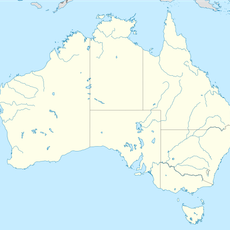
The lighthouse stands on Iron Pot island, about 2 km offshore from Cape Direction on the South Arm Peninsula and 17.5 km south east of Hobart. The tower is automated and closed to the public, so it cannot be reached on foot. The island is regularly circumnavigated by Pennicott Wilderness Journeys boats leaving from Constitution Dock at Sullivans Cove, Hobart.
The location was explored by Matthew Flinders in 1798 when he discovered unusual magnetic properties affecting compass readings. This natural anomaly became the key reason why a lighthouse was eventually built to assist vessel navigation in the area.
The community of curious travelers
AroundUs brings together thousands of curated places, local tips, and hidden gems, enriched daily by 94,113 contributors worldwide.