San Salvador Island, Island district in The Bahamas
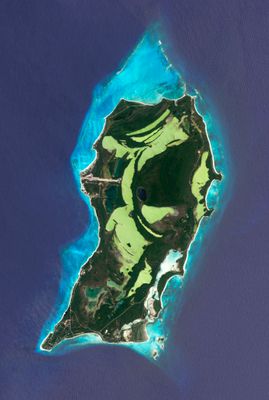
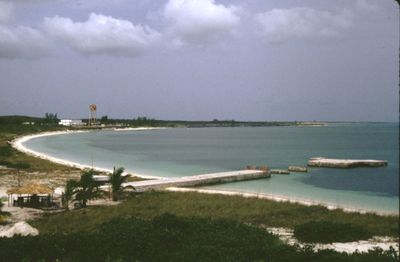
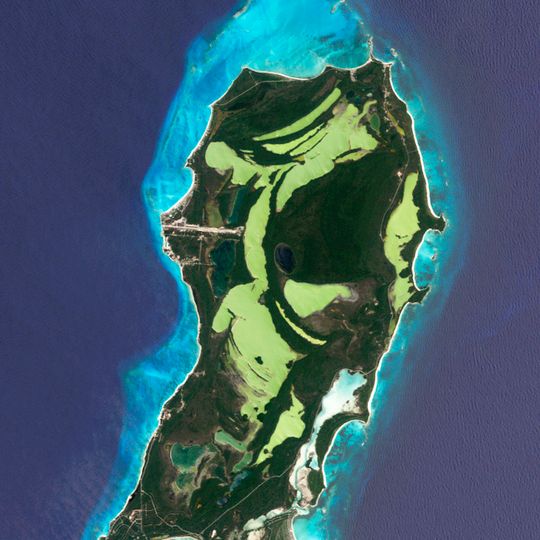
San Salvador stretches roughly 13 miles long and 5 miles wide, with white sand beaches, coral reefs, and several saltwater inland lakes. The coastline alternates between shallow bays and rocky sections, while the interior features low scrub forest and open areas.
This island gained recognition as the place where Christopher Columbus first stepped onto American soil on October 12th, 1492, during his initial voyage. The British later established a settlement here and named the island after the Savior, though the native population had already disappeared.
The Gerace Research Centre serves as an educational facility where scientists and students conduct studies in archaeology, marine science, geology, and biology. The center occupies a former naval building and links academic work with daily life on the island.
Visitors reach the island through San Salvador International Airport, with lodging available at coastal resorts that offer direct access to diving and snorkeling sites. Most activities center on the eastern shore, where the water remains calmer and several docking points are located.
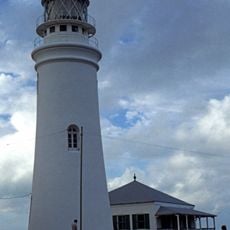
The Dixon Hill Lighthouse was built in 1887 and rises roughly 160 feet above the ground, still serving its original purpose of guiding ships through the surrounding waters. Visitors can climb the spiral staircase and enjoy a wide view of the coastline from the top.
The community of curious travelers
AroundUs brings together thousands of curated places, local tips, and hidden gems, enriched daily by 92,266 contributors worldwide.