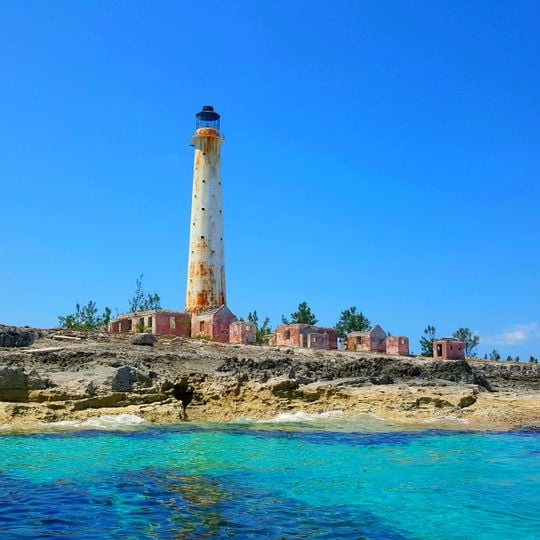
The Bahamas, Caribbean archipelago in Atlantic Ocean, Bahamas
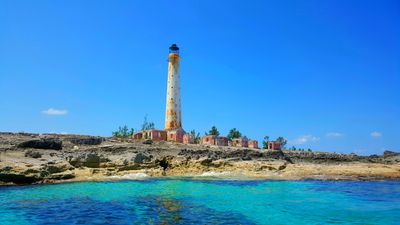
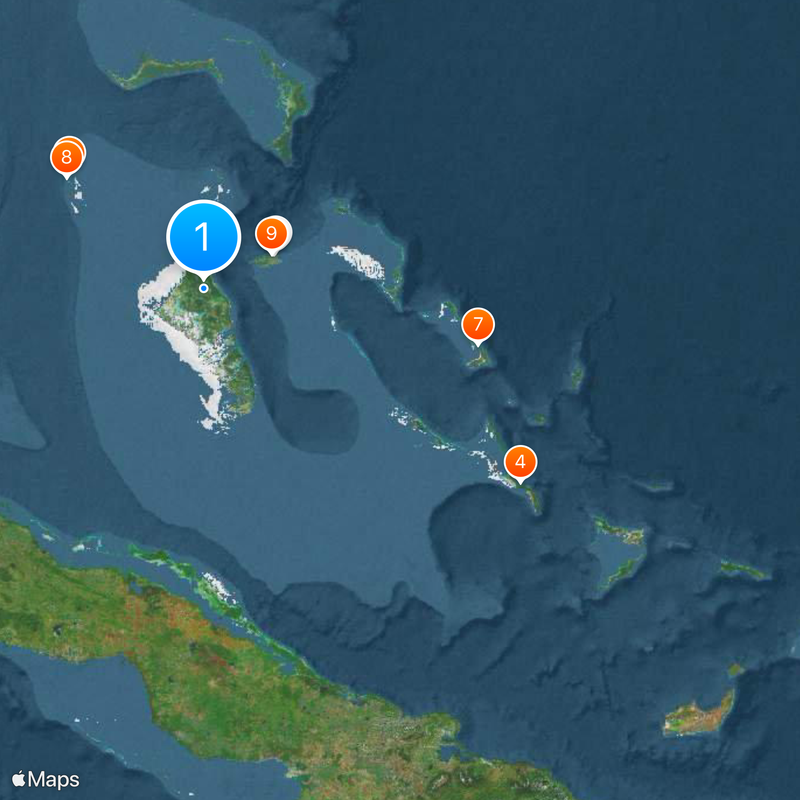
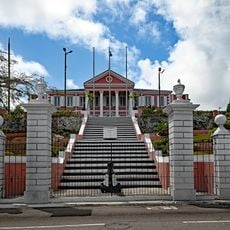
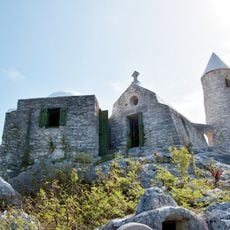
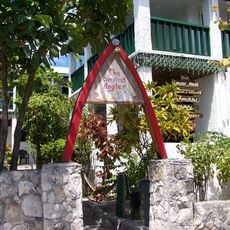
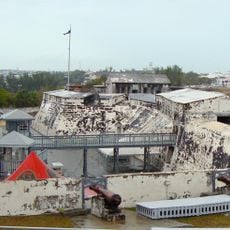
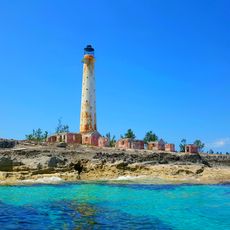
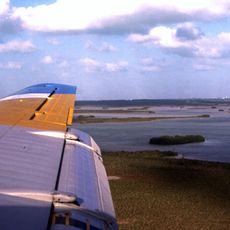
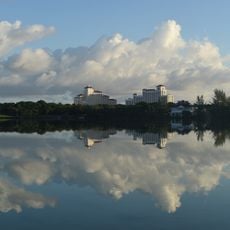
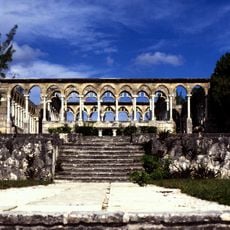
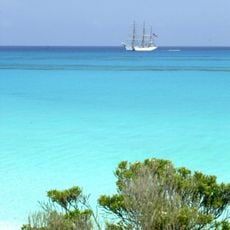
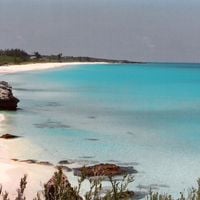
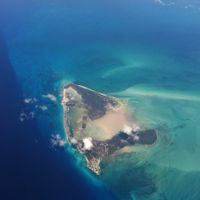
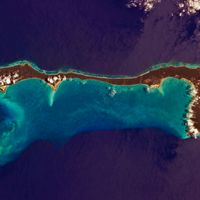
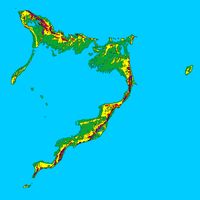
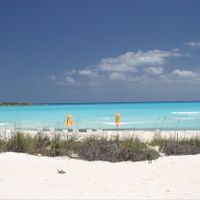
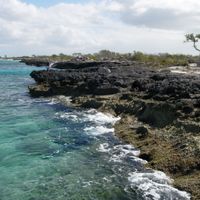
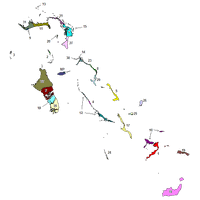
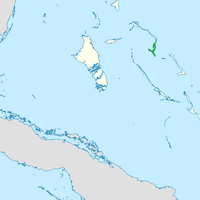
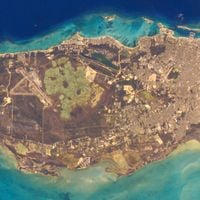
The Bahamas form an island chain in the Atlantic northwest of the Caribbean with more than 700 islands and cays spread across shallow turquoise waters. Nassau on New Providence serves as the capital and concentrates around 70 percent of the population, while Andros, Grand Bahama, and Eleuthera represent other inhabited areas.
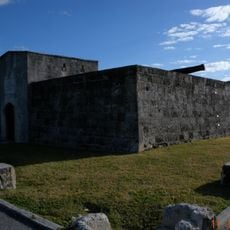
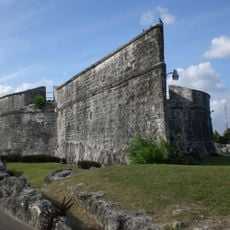
The Lucayan inhabited the islands from around 800 CE until Columbus landed on San Salvador in 1492 and Spanish expeditions enslaved or displaced the indigenous population within a few decades. British control solidified in the 18th century, and the territory gained independence from the United Kingdom on July 10, 1973.
Artisans weave palmetto strips into baskets, hats, and bags using methods passed down from earlier generations. Conch appears as an ingredient in fritters, salad, and chowder, showing how central the ocean remains to daily meals.
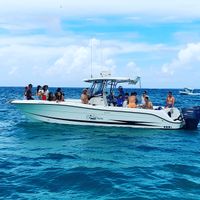
Peak season runs from December through April with average temperatures around 24 °C and little rain, while hurricane season stretches from June through November. Ferries connect the inhabited islands though schedules shift with weather, and rental cars drive on the left following British traffic rules.
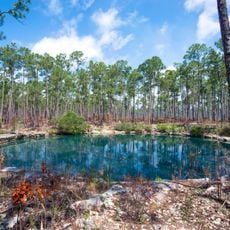
Dean's Blue Hole near Long Island drops 202 meters straight down and ranks as the deepest known saltwater sinkhole on Earth. Underwater limestone structures off Bimini are interpreted by some as remnants of the mythical Atlantis civilization.
The community of curious travelers
AroundUs brings together thousands of curated places, local tips, and hidden gems, enriched daily by 90,774 contributors worldwide.