Laval University, Public research university in Cité-Universitaire, Canada
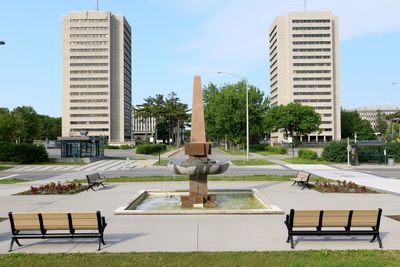
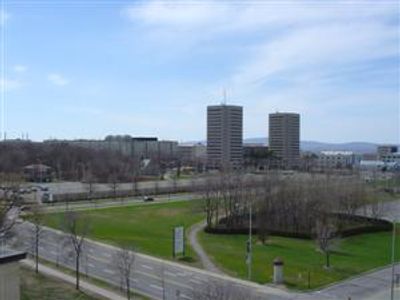
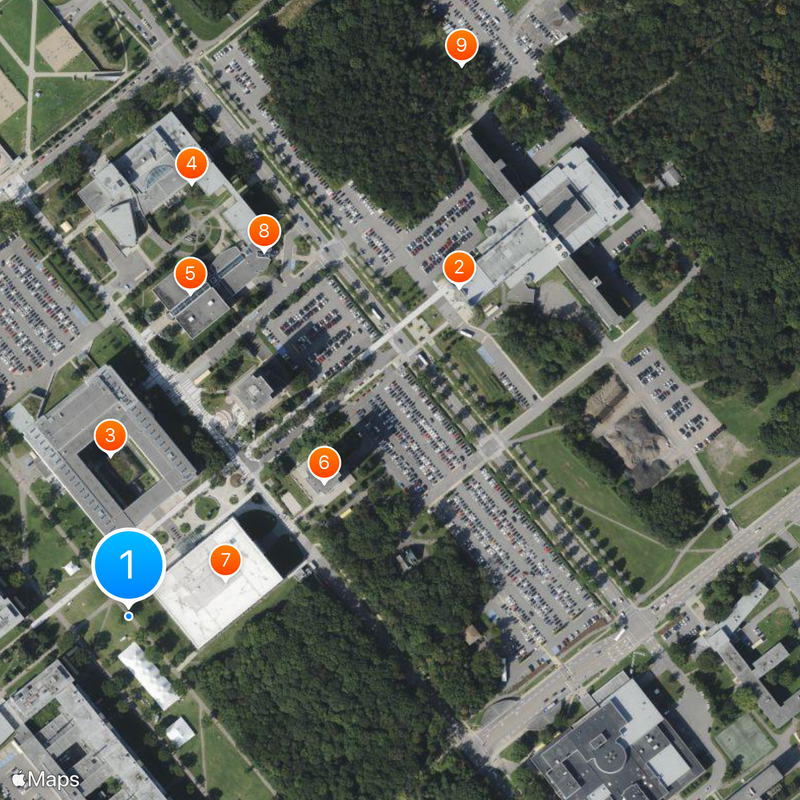
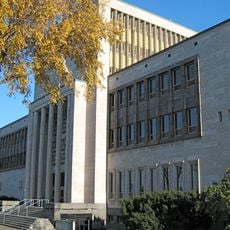
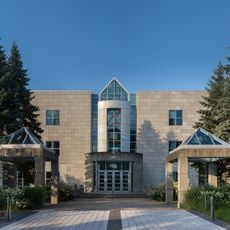
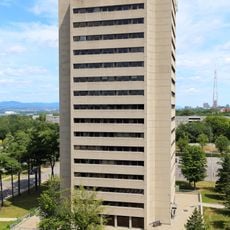
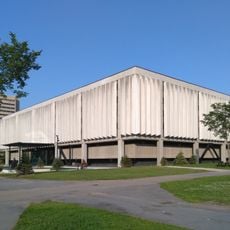
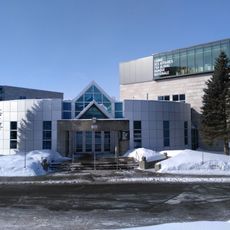
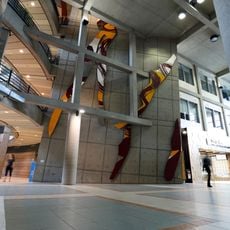
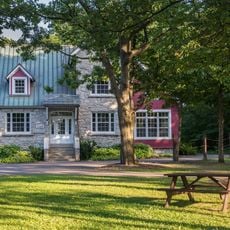
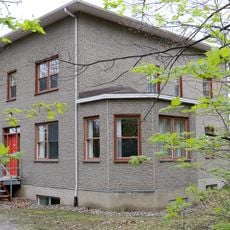
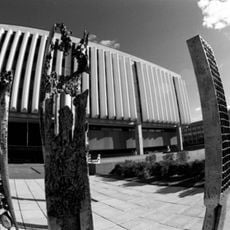
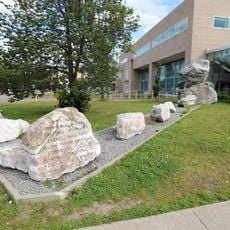
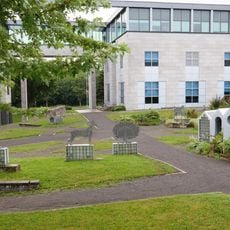
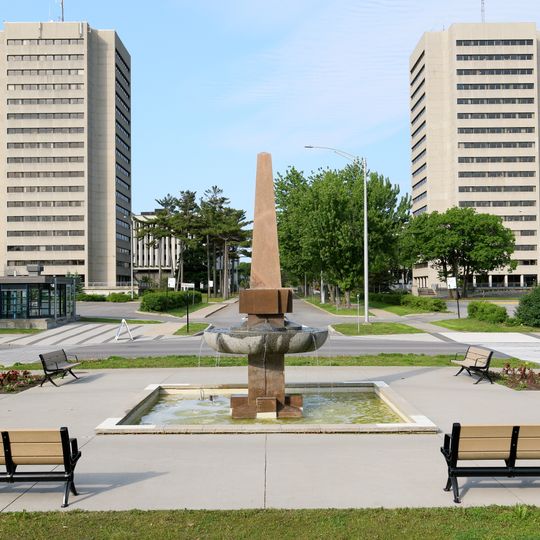
Laval University is a public research university in Cité-Universitaire spanning nearly 2 square kilometers with more than 30 buildings connected by underground tunnel systems. The grounds sit on a gently elevated plateau overlooking the surrounding residential areas and hold faculties, dormitories, sports facilities, and research laboratories.
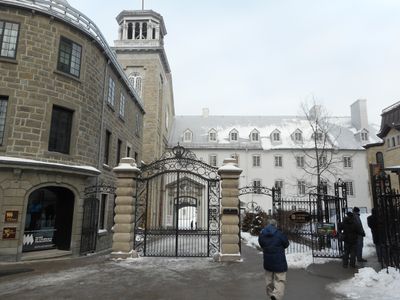
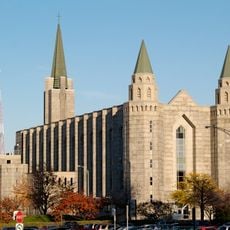
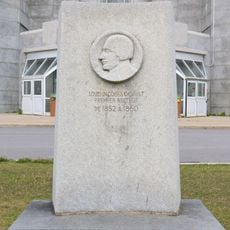
François de Laval established the institution in 1852 as a continuation of the Séminaire de Québec founded in 1663, the first center for higher education on the North American continent. The university received its charter in 1852 and evolved over decades from a small church-run school into a modern research institution.
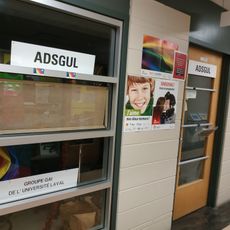
The campus operates entirely in French and preserves Quebec's linguistic identity in academic life. Students from more than 100 countries study together and share libraries, lecture halls, and common spaces that reflect francophone North America.
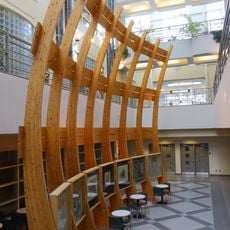
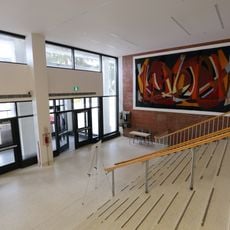
Visitors can walk freely through public pathways and enter the central library and certain museum spaces when open. The tunnels offer shelter from winter cold and connect major facilities without stepping outdoors.
In 2017, the institution withdrew all investments from companies working with fossil fuels and became the first Canadian university to take this step. The decision was driven jointly by students and faculty members and is now seen as a model for other higher education institutions.
The community of curious travelers
AroundUs brings together thousands of curated places, local tips, and hidden gems, enriched daily by 60,000 contributors worldwide.