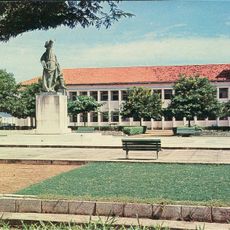
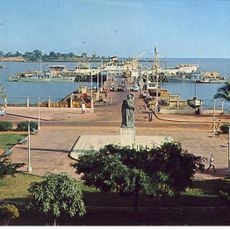
Fortaleza de São José da Amura, Colonial fortress in Bissau, Guinea-Bissau.
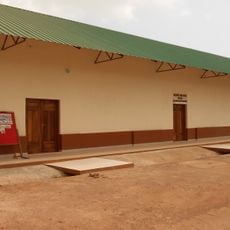
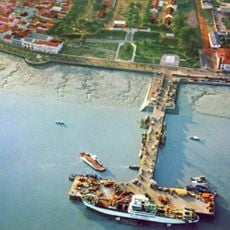
The Fortaleza de São José da Amura is a quadrangular Vauban-style fort in Bissau with pentagonal bastions at its corners. Its walls hold 38 gunports, and the terreplein carries the service buildings: the Command House, troop barracks and warehouses. A palisade once linked it to a small square coastal fort with two gunports facing land.
Portuguese forces built the initial fortress in 1696 to counter French expansion efforts. Manuel de Vinhais Sarmento completed the current structure in 1753, creating the fortress that still stands today.
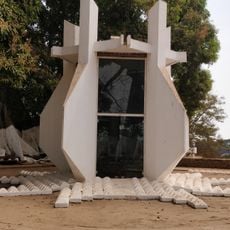
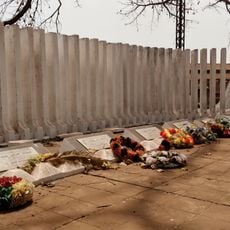
The fort holds the mausoleum of Amílcar Cabral and the graves of several national figures, among them Titina Silá, Osvaldo Vieira, João Bernardo Vieira, Malam Bacai Sanhá and Kumba Ialá. It also houses the Military Museum of the National Liberation Struggle, so the site is visited both as a memorial and as a museum of the independence war.
The fort stands on the Bissau waterfront, and the mausoleum of Amílcar Cabral and the Military Museum of the National Liberation Struggle inside are open to public visits. The quadrangular plan with pentagonal corner bastions lets you walk the terreplein past the Command House, troop barracks and warehouses.
The fortress displays distinctive features of Vauban military engineering through its symmetric bastion design. It was originally connected to a secondary coastal fort via a strategic palisade system, forming a coordinated defense network.
The community of curious travelers
AroundUs brings together thousands of curated places, local tips, and hidden gems, enriched daily by 92,792 contributors worldwide.