Portuguese Guinea, Former colonial territory in West Africa.
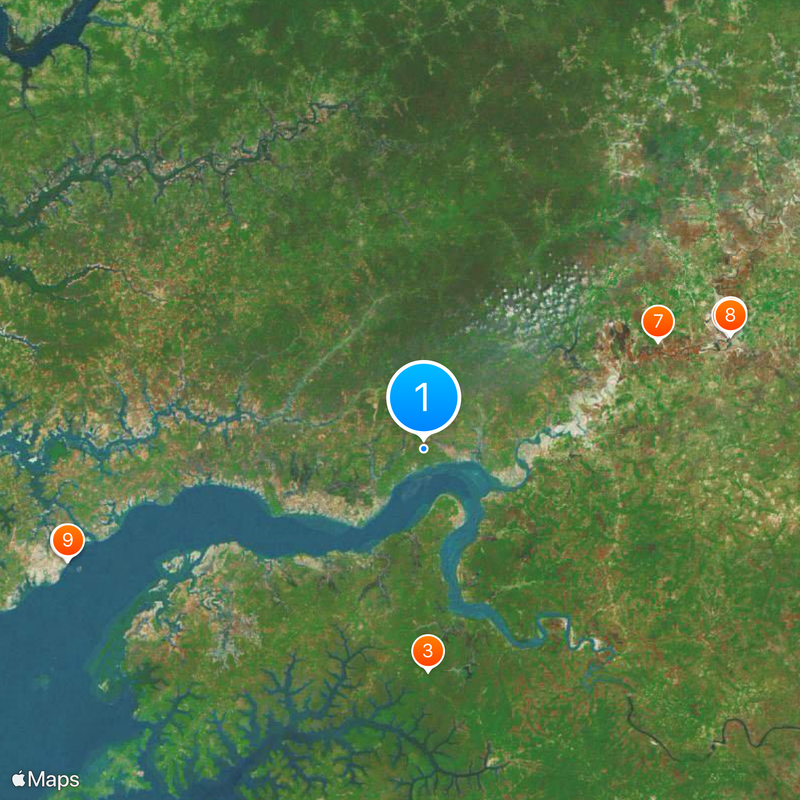
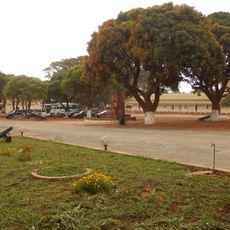
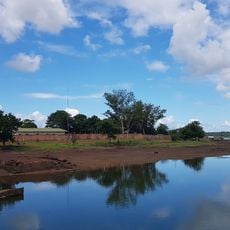
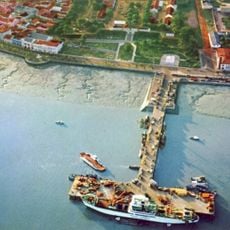
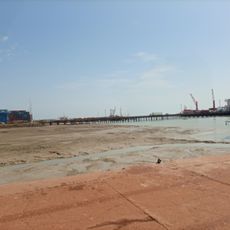
Portuguese Guinea was a colonial territory in West Africa with coastal plains, mangrove wetlands, and an archipelago of islands offshore. The land ranged from flat coastal zones to densely vegetated island landscapes, shaping distinct environments across the region.
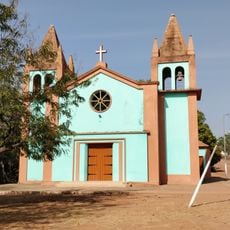
Portuguese navigators first explored this region from 1450 onward, building coastal settlements and gradually advancing inland. Complete control of the mainland came only after military campaigns that lasted until the early 1900s.
The territory was home to distinct peoples such as the Jola, Papel, and Balanta, each maintaining their own customs and ways of life. This diverse population shaped how communities coexisted and created local traditions that remain visible in the region today.
Administrative operations shifted in 1942 to a larger port city to improve infrastructure and governmental reach. This move created better connection points across the territory for commerce and daily life.
This territory gained independence in 1974 following an extended struggle for liberation. This moment marked the final chapter of Portuguese rule on the African continent.
The community of curious travelers
AroundUs brings together thousands of curated places, local tips, and hidden gems, enriched daily by 92,669 contributors worldwide.