Vatican obelisk, Ancient Egyptian monument in St Peter's Square, Vatican City
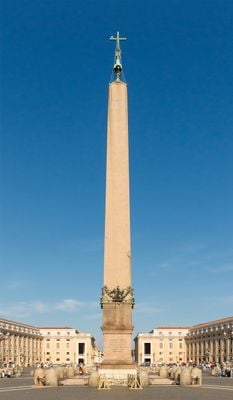
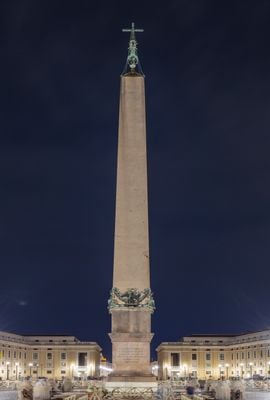
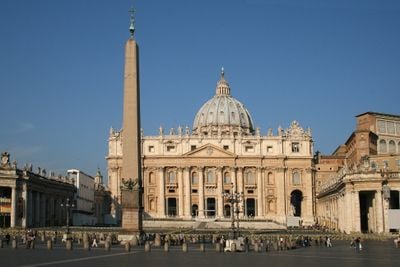
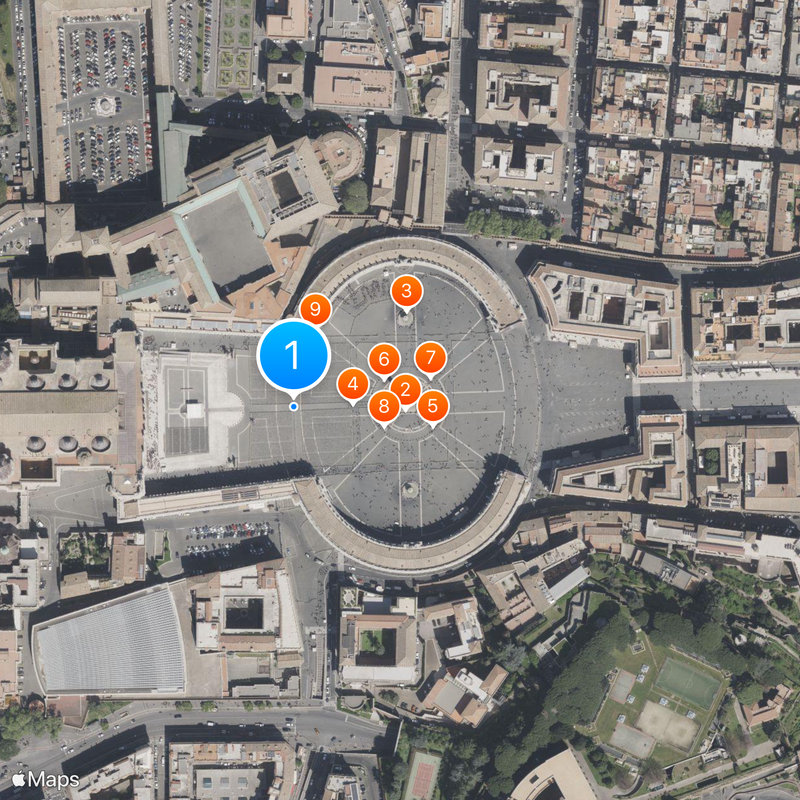
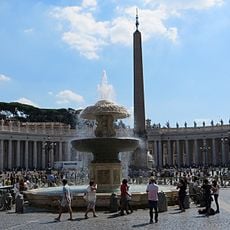
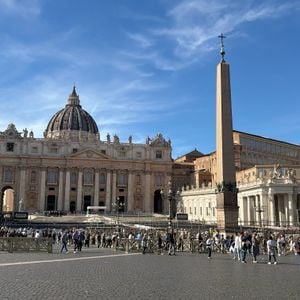
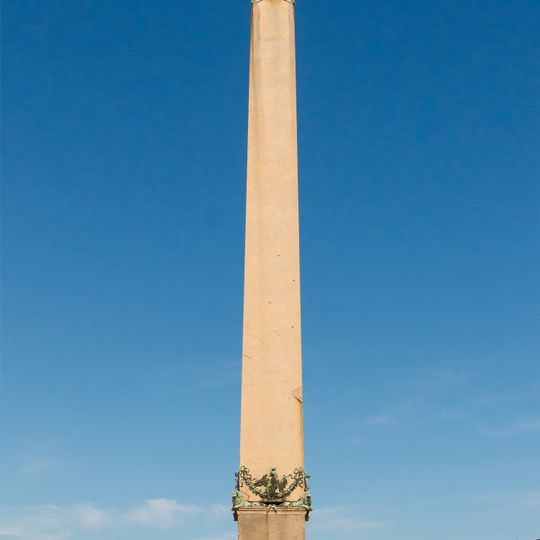
The Vatican obelisk is an ancient Egyptian monument made of red granite standing at the center of St Peter's Square in Vatican City. The structure rests on a base with bronze lions and reaches approximately 40 meters (130 feet) in height with the cross at its top.
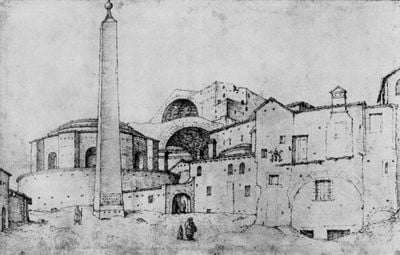
Emperor Caligula brought the obelisk from Heliopolis to Rome in the year 37 and placed it in the Circus of Nero. Pope Sixtus V ordered the monument moved to its current location in 1586, with architect Domenico Fontana directing the technically demanding relocation.
The monument carries a gilded cross at its summit containing relics from the Holy Land, marking the Christian reinterpretation of the ancient Egyptian stone. Pilgrims use the shadow cast by the obelisk as a natural clock while waiting in the square or gathering for Mass.
The monument works as a sundial, with circular markers embedded in the square's pavement indicating different zodiac signs as the shadow passes over them at noon. Visitors can enjoy the best view from the open part of the square, especially during morning hours when the light is favorable.
During the relocation in 1586, 900 men and 75 horses worked under strict orders to remain silent until a sailor named Bresca prevented collapse by shouting to wet the ropes with water. The obelisk remained standing at its original site longer than any other ancient Roman obelisk, never having fallen down.
The community of curious travelers
AroundUs brings together thousands of curated places, local tips, and hidden gems, enriched daily by 91,871 contributors worldwide.