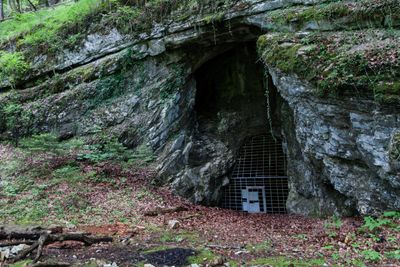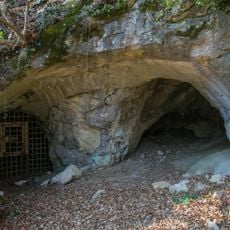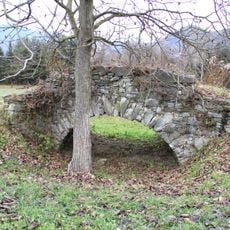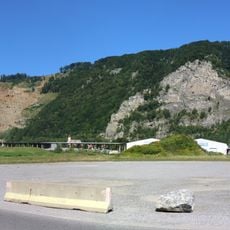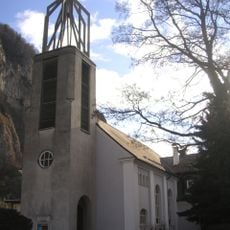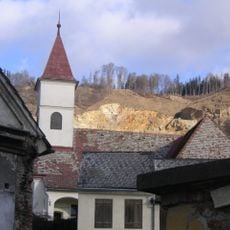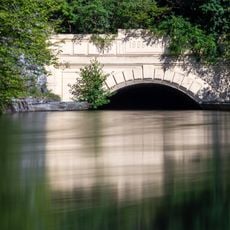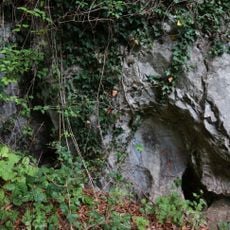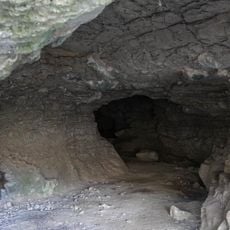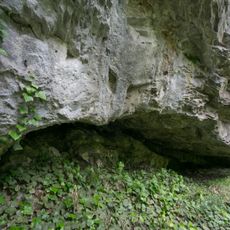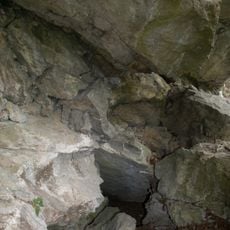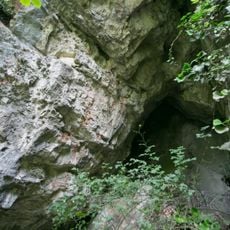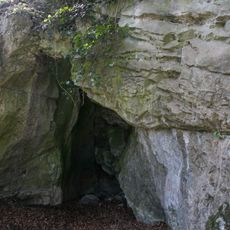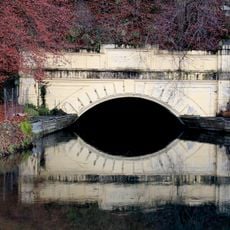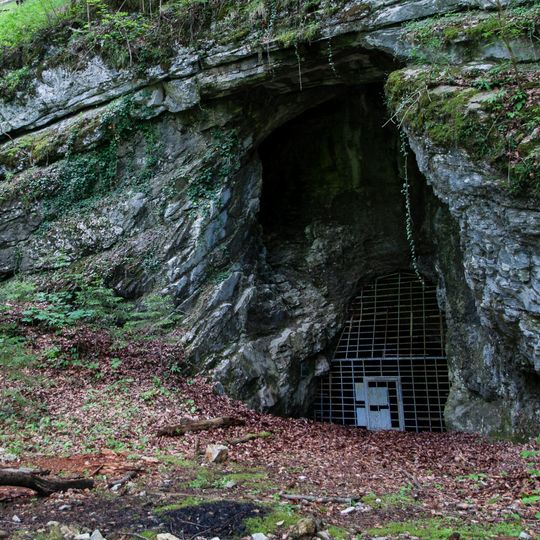
Badlhöhle, Natural limestone cave in Peggau, Austria
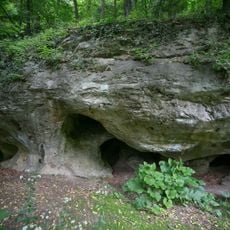
The Badlhöhle is a limestone cave near Peggau situated at about 607 meters elevation, featuring multiple chambers with mineral formations including stalactites and stalagmites. These underground structures developed over long periods as water moved through the rock, creating the visible deposits today.
The cave was used for phosphate earth extraction during World War I, which altered some of its original geological structures. This industrial activity left marks that remain visible in the chambers today.
The cave sits near other notable cave systems in the region that draw visitors curious about underground formations and natural spaces. People come to experience these places to connect with the geological world beneath the surface.
The cave maintains constant temperature year-round, so visitors should bring warm clothing and wear sturdy footwear for safety. The surfaces inside are often wet and slippery, requiring careful footing throughout the visit.
The cave hosts a specialized ecosystem with organisms adapted to live in complete darkness and high humidity. These adaptations make it a valuable study site for researchers examining how life survives underground.
The community of curious travelers
AroundUs brings together thousands of curated places, local tips, and hidden gems, enriched daily by 91,362 contributors worldwide.