Tyrol, Historical region in Alpine zone, Austria
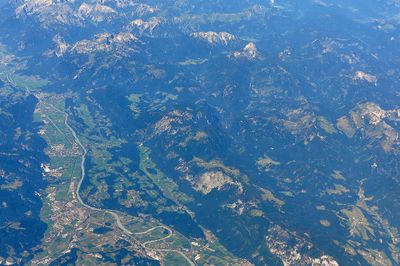
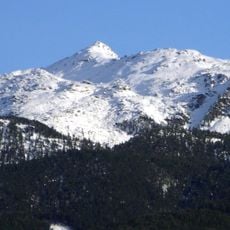
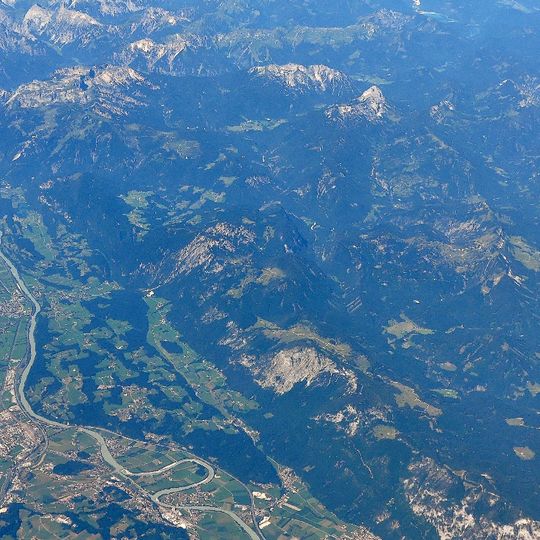
Tyrol is a historical region in the Alpine zone that stretches across western Austria and northern Italy. Mountain ranges such as the Lechtaler Alps, Karwendel, Kaiser, and Hohe Tauern shape the landscape, while wide and narrow valleys cut through the mountains.
The House of Habsburg took control of the region in 1363 after the death of Margaret Maultasch. Habsburg rule ended in 1918 with the dissolution of Austria-Hungary, after which South Tyrol passed to Italy.
The name Tyrol likely comes from Castle Tyrol near Merano, which served as the seat of counts for centuries. Visitors today still hear different dialects and languages in the valleys, from Bavarian Tyrolean to Italian and Ladin in the Dolomites.
The Brenner Pass connects north and south and remains the most important transport route through the Alps between Austria and Italy. Motorists and train travelers use this connection daily for journeys between Innsbruck and Bolzano.
Schwaz was the second largest city in the Habsburg Empire after Vienna during the 15th and 16th centuries due to mining. Silver production in this small town at times exceeded all American silver extraction combined.
The community of curious travelers
AroundUs brings together thousands of curated places, local tips, and hidden gems, enriched daily by 92,729 contributors worldwide.