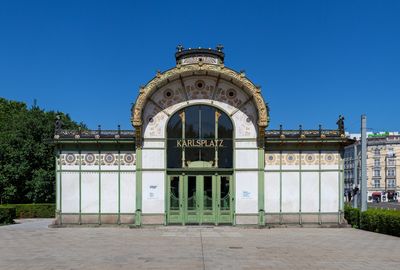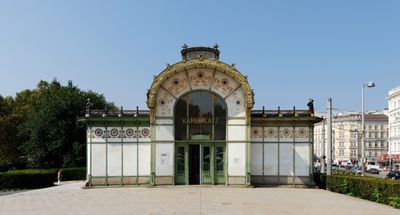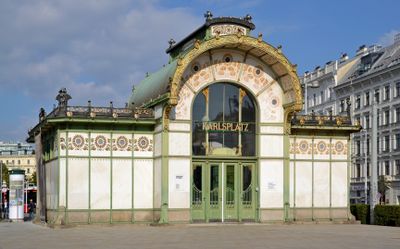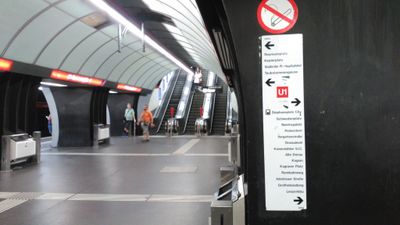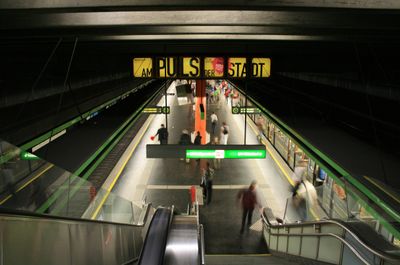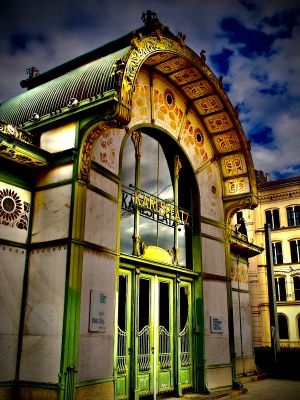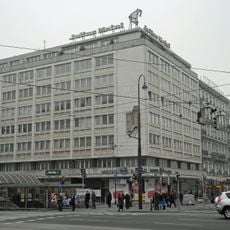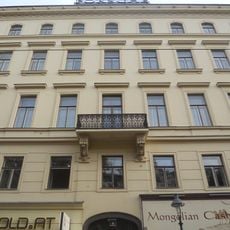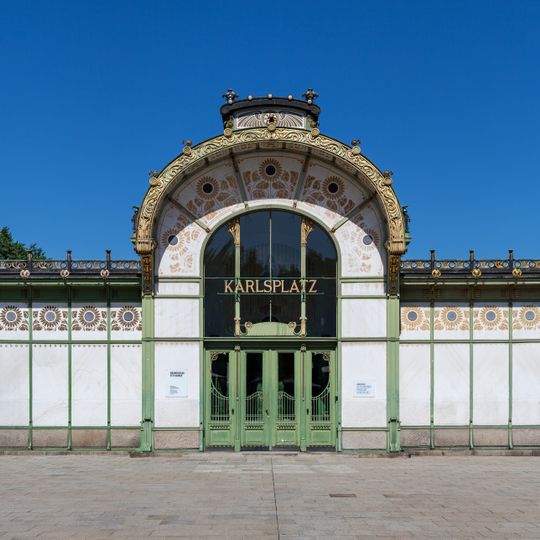
Karlsplatz, Metro and railway station in Wieden, Vienna, Austria.
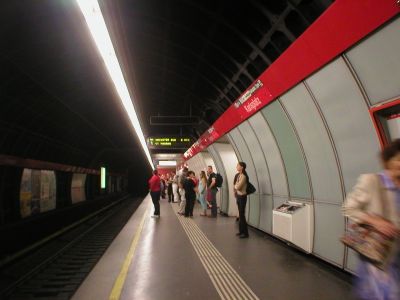
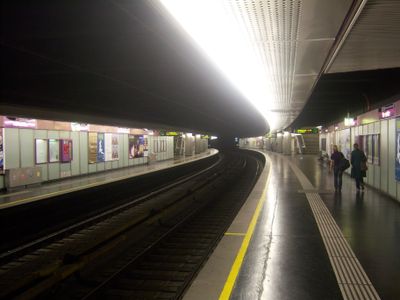
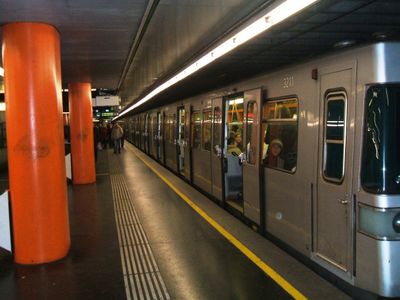
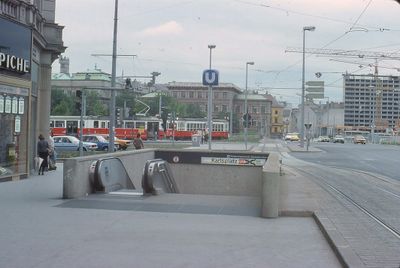
The station spans multiple underground levels and surface platforms with wide corridors, ticket machines and digital information boards displaying real-time connections for metro lines U1, U2 and U4 as well as tram and bus services.
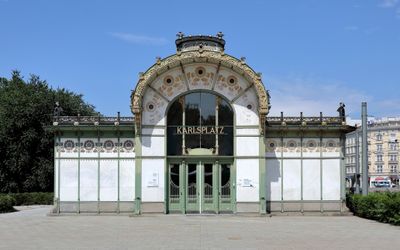
The first city railway opened at this location in 1899 as part of the system designed by Otto Wagner, while modern metro lines were added between 1978 and 2010, gradually expanding the junction into its current multi-line operation.
The station connects tens of thousands of Viennese daily to their workplaces, universities and cultural institutions, functioning as a central hub for urban life where locals, students and international visitors cross paths on their journeys through the city.
All levels are accessible via elevators and ramps complemented by tactile guidance systems and lowered ticket machines, while announcements and display boards inform passengers of delays or changes, with connections available around the clock.
As the only Viennese station served simultaneously by three metro lines, this junction enables particularly fast cross connections between outlying districts and the historic center, reducing transfer times to just a few minutes.
Location: Innere Stadt
Architects: Otto Wagner
Official opening: February 25, 1978
Architectural style: Art Nouveau architecture
Reference: 657
Accessibility: Wheelchair accessible
Operator: Wiener Linien
Address: Karlsplatz, 1040 Wien, Austria 1040 Wien
Opening Hours: Tuesday-Sunday 14:00-18:00
Phone: +431505874785177
Website: https://wienerlinien.at
GPS coordinates: 48.20155,16.36911
Latest update: December 1, 2025 08:12
Between 1890 and 1910, Art Nouveau spread across Europe, producing buildings that combined craft traditions with industrial techniques through organic forms, natural motifs, and detailed ornamental work. Architects including Victor Horta in Brussels, Antoni Gaudí in Barcelona, and Otto Wagner in Vienna designed structures that departed from historical revival styles, instead emphasizing curved lines, wrought iron elements, and colored glass. The movement encompassed concert halls and railway stations as well as private homes and commercial facades, creating a body of work that remains central to the architectural identity of several European cities. Visitors can trace this development through multiple locations. Brussels offers the Victor Horta Museum, Tassel House, and Hôtel van Eetvelde as prime examples of the Belgian variant. Barcelona showcases Gaudí's Casa Batlló and Bellesguard alongside the Palau de la Musica Catalana with its elaborate tilework. Paris preserves Hector Guimard's Métropolitain entrances and the Lavirotte Building, while Prague presents the Municipal House and the Bedřich Smetana Museum. Nancy serves as a center of French Art Nouveau with the School Museum and Villa Majorelle, and Budapest displays the style through Gresham Palace and the Liszt Academy of Music. From Riga to Turin, Vienna to Belgrade, these buildings document a brief but influential period when architects reshaped urban environments across the continent.
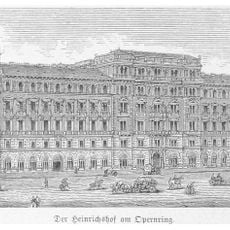
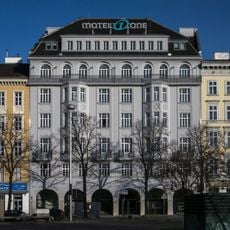
Heinrichshof (Vienna)
67 m
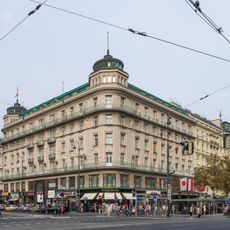
Hotel Bristol
128 m
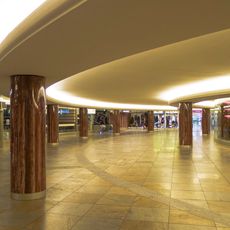
Opernpassage
15 m
Palais Königswarter
92 m
Elisabeth Bridge
121 m
Alban Berg monument, Vienna
130 m
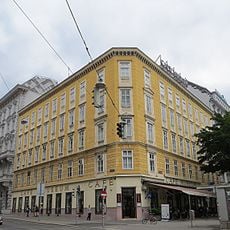
Friedrichstraße 4, Vienna
73 m
Operngasse 7
109 m
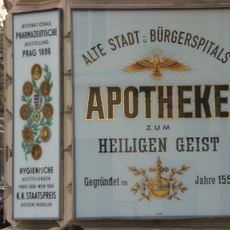
Apotheke zum Heiligen Geist, Operngasse
145 m
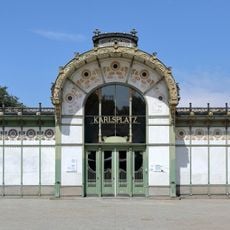
Otto Wagner Pavillon Karlsplatz
96 m
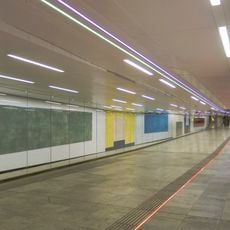
Installation "Ohne Titel" by Ernst Caramelle, Opernpassage, Vienna
26 m
Handelsakademie I
148 m
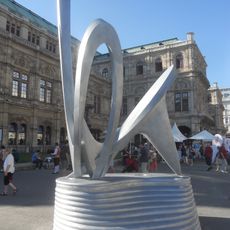
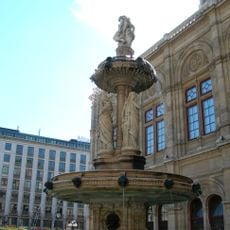
Fountains at the Vienna State Opera
152 m
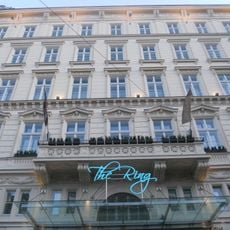
The Ring Hotel
148 m
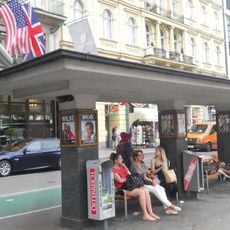
Fahrgastunterstand, Kärntner Ring
118 m
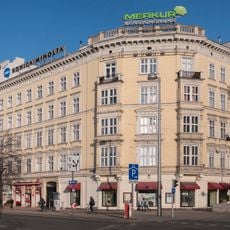
Wohn- und Geschäftshaus
122 m
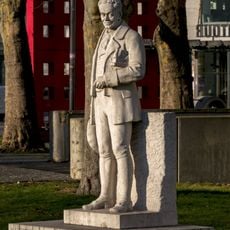
Girardi Monument, Vienna
130 m
Kärntner Straße 57, Vienna
61 m
Friedrichstraße 2, Vienna
49 m
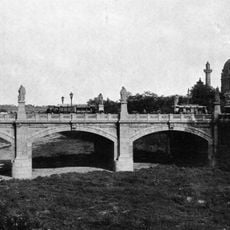
Wientalverbauung in der KG Wieden
146 m
Cinemagic Kino
81 m
Statue, Work of art
142 m
Statue, Work of art
130 m
Statue, Work of art
138 m
Work of art, statue
136 m
Work of art, statue
133 m
Statue, Work of art
131 m
Work of art, sculpture
128 mReviews
Visited this place? Tap the stars to rate it and share your experience / photos with the community! Try now! You can cancel it anytime.
Discover hidden gems everywhere you go!
From secret cafés to breathtaking viewpoints, skip the crowded tourist spots and find places that match your style. Our app makes it easy with voice search, smart filtering, route optimization, and insider tips from travelers worldwide. Download now for the complete mobile experience.
A unique approach to discovering new places❞
— Le Figaro
All the places worth exploring❞
— France Info
A tailor-made excursion in just a few clicks❞
— 20 Minutes