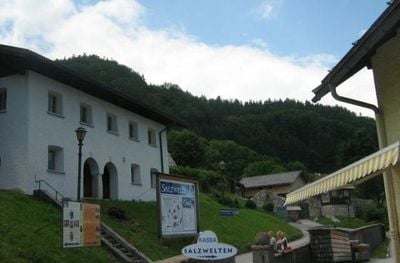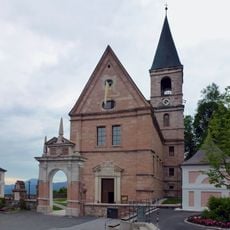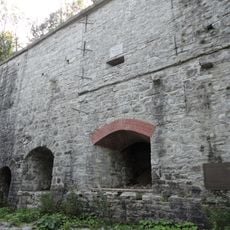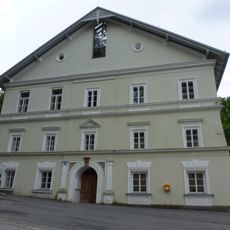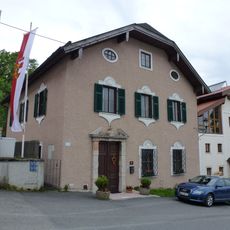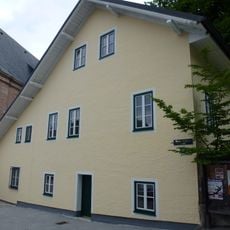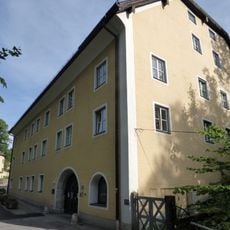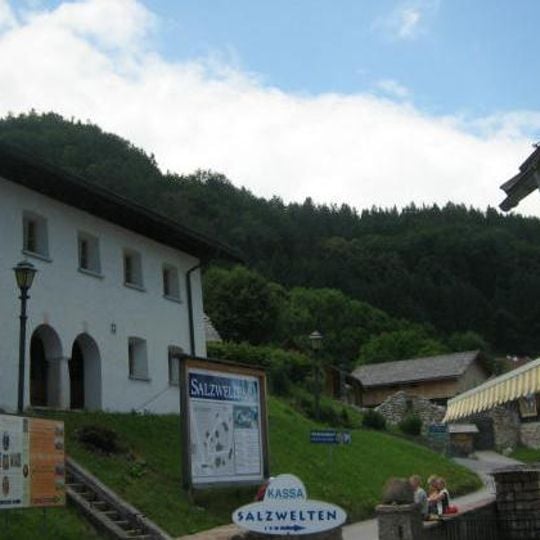
Hallein Salt Mine, Salt mine and historic site in Bad Dürrnberg, Austria.
Hallein Salt Mine is an underground excavation site in Bad Dürrnberg featuring tunnels across multiple levels with natural underground lakes and wooden slides. The chambers were carved directly into the rock over centuries of extraction work.
Salt has been extracted at Dürrnberg since about 600 BC, when Celtic miners began underground working; traces suggest the Noric salt works also operated in Roman times. The mine helped make nearby Salzburg a powerful trading town. The Bavarian–Austrian Salt Treaty of 1829, still in force, governs extraction because most of the salt deposit lies under Bavarian ground.
The mine's name lives on in the white coveralls visitors wear and in the wooden slides they ride between levels, a practice documented since the 17th century when Salzburg's archbishops invited selected guests underground. The 1829 Salt Treaty still lets up to ninety Bavarian farmers work the tunnels that cross into Bavaria.
Bring warm clothing and sturdy footwear since underground temperatures stay around 10 degrees Celsius year-round. Some paths are steep and require good balance, especially when using the wooden slides to descend.
The salt deposit runs under the border: about 70% of the Salzberg between Hallein and Berchtesgaden lies on Bavarian ground. The Salinenkonvention of 1829, which lets up to ninety Bavarian farmers work in the mine, is considered Europe's oldest state treaty still in force.
The community of curious travelers
AroundUs brings together thousands of curated places, local tips, and hidden gems, enriched daily by 92,823 contributors worldwide.