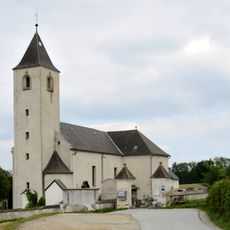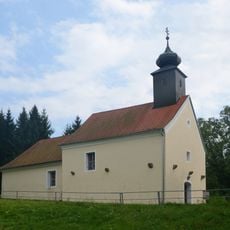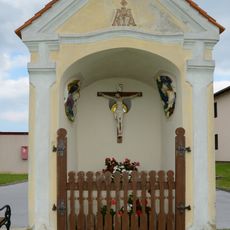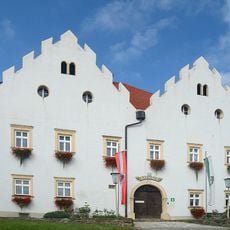
Vorau Abbey, Augustinian monastery in Vorau, Austria
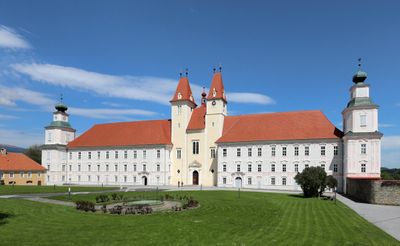
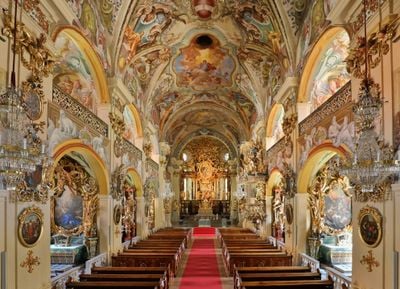
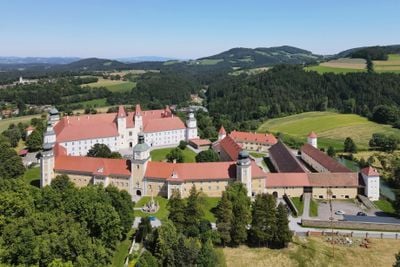
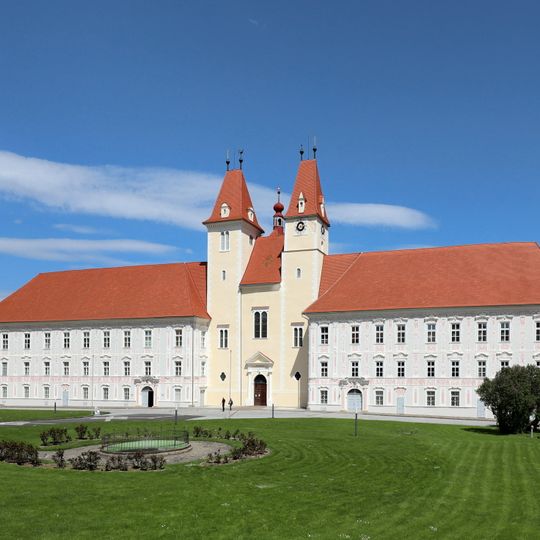
Vorau Abbey is a Canons Regular of St. Augustine monastery in Vorau, Styria, Austria. Its pale yellow and white facade with a red tiled roof is centred on two square towers with pyramidal roofs and spires, between which an arched doorway sits below a pediment. The interior is a long nave with a barrel-vaulted ceiling painted in blue, gold, pink and green, framed by stucco, and a tall gold-covered high altar with a central oval image.
Margrave Ottokar III of Styria founded the monastery in 1163 as a thanksgiving offering for the birth of his son and invited Augustinian canons to establish their community there. The foundation grew into an important religious and cultural institution that shaped the region for many generations.
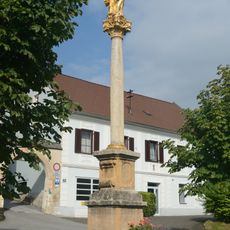
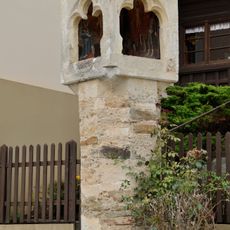
The canons run a school on the premises, continuing a teaching role that began with a Hauptschule in 1778 and a Gymnasium from 1812 to 1817. The abbey's coat of arms, granted by Emperor Frederick III in 1453, uses blue and gold. The Frauen- oder Pestsäule in front of the gate tower was erected by Provost Sebastian von Webersberg after a plague epidemic.
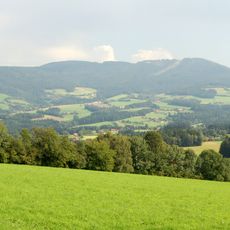
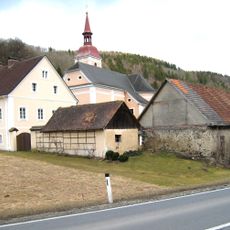
The abbey sits in a quiet rural setting and is easily reached by car or public transport from nearby towns. Visitor information is available on site, and guided tours can be arranged to explore the history and architecture more thoroughly.
The sacristy frescoes were painted in 1715 and 1716 by Johann Cyriak Hackhofer, the abbey's resident painter. The abbey library, built in 1731, holds 40,000 books, 206 incunabula and 416 manuscripts, including the oldest collection of Middle High German poems.
The community of curious travelers
AroundUs brings together thousands of curated places, local tips, and hidden gems, enriched daily by 93,546 contributors worldwide.