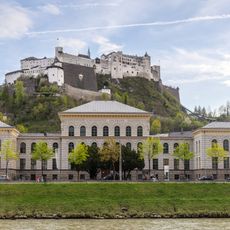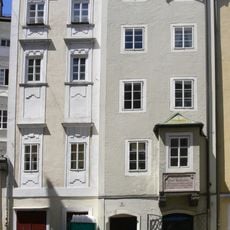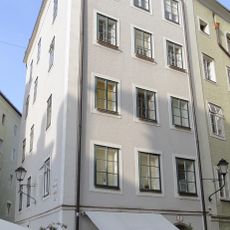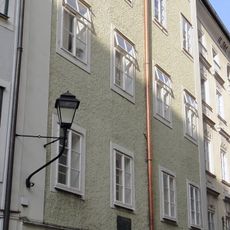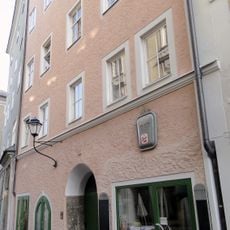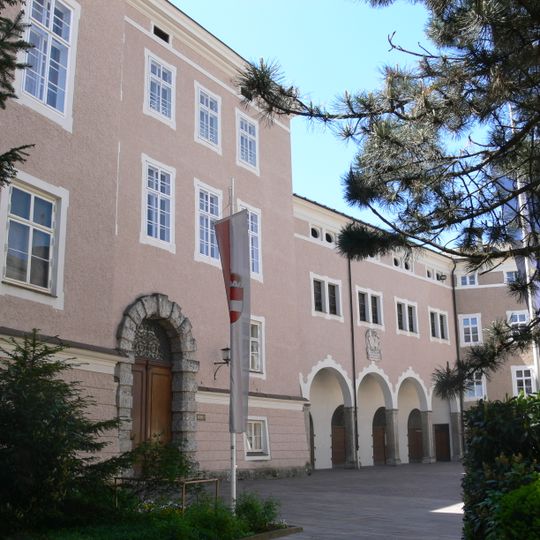
Chiemseehof, City palace in Altstadt, Salzburg, Austria
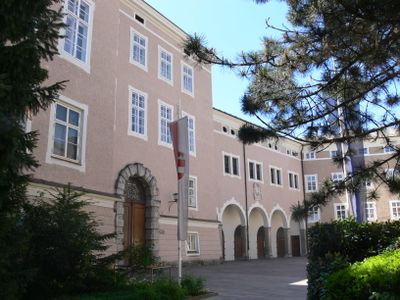
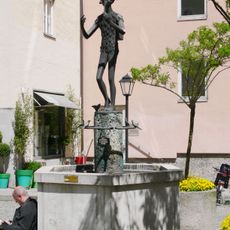
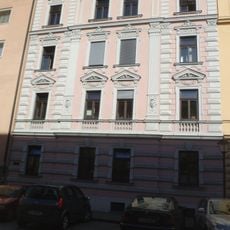
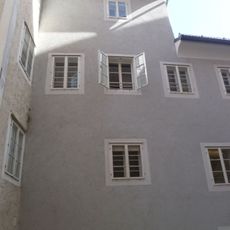
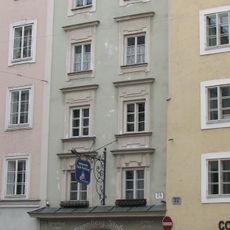
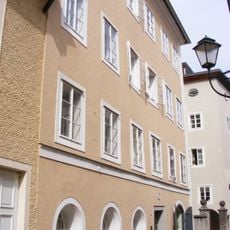
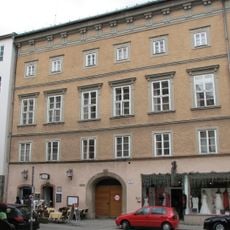
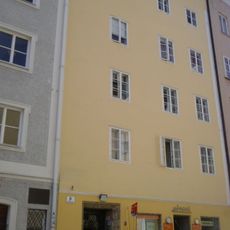
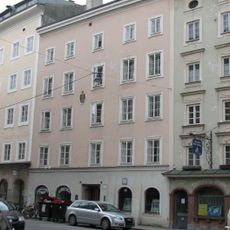
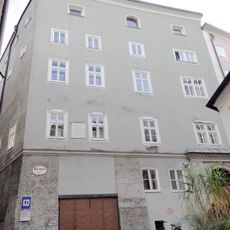
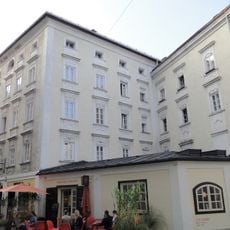
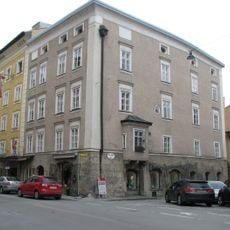
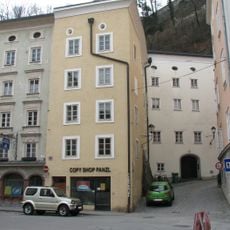
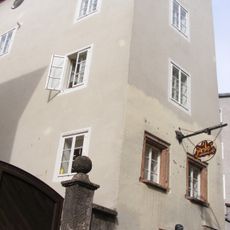
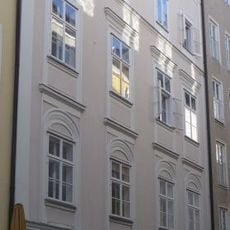
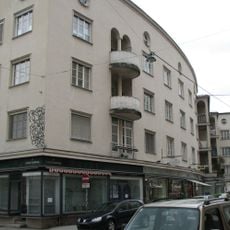
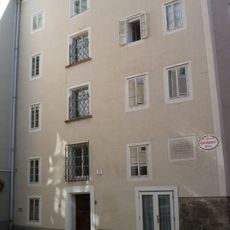
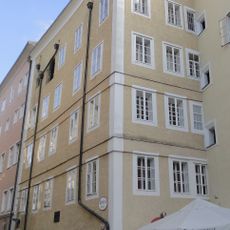
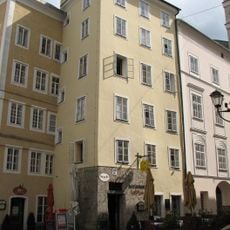
Chiemseehof is a city palace in the old town composed of five interconnected buildings that form a block between Pfeifergasse and Krotachgasse streets. The structure contains an open courtyard that faces Krotachgasse, serving as the central space of the entire complex.
The Bishopric of Chiemsee was established in 1215 by Archbishop Eberhard von Regensberg, and the Chiemseehof is first mentioned in 1216 as the Salzburg residence of the bishops. Around 1300 it was enlarged into a residence, and its chapel was consecrated in 1497. After a fire at the end of the 16th century, the buildings were rebuilt and enlarged from 1694. The bishops resided here until 1812; since 1866 the complex has housed the Salzburg Landtag and provincial government.
The name comes from the Chiemsee diocese: though the bishop held a see in Bavaria, he lived here in Salzburg from the 14th century as the archbishop's auxiliary. The Salzburg Landtag has met in the complex since 1866, and its assembly hall occupies the former granary built by Bishop Silvester Pflieger between 1438 and 1451.
The complex lies between Pfeifergasse and Krotachgasse in the Kaiviertel, with the inner courtyard opening onto Krotachgasse. During the 2017–2019 renovation, costing around 7.4 million euros, Landtag sessions moved to the Gemeinderatssitzungssaal in Salzburg's Rathaus and to the Salzburger Residenz. The first sessions in the renovated building were held on 20 February 2019.
The Landtag's plenary hall occupies a building that Bishop Silvester Pflieger (1438–1451) erected as a granary. The court chapel, enlarged to church size and consecrated in 1497, was demolished in 1873 along with the Kumpfmüllertor during adaptation works.
The community of curious travelers
AroundUs brings together thousands of curated places, local tips, and hidden gems, enriched daily by 94,600 contributors worldwide.