Salzburg, Provincial capital in Northern Alps, Austria
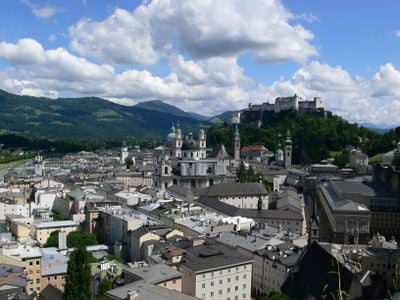
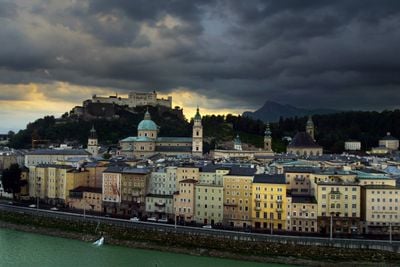
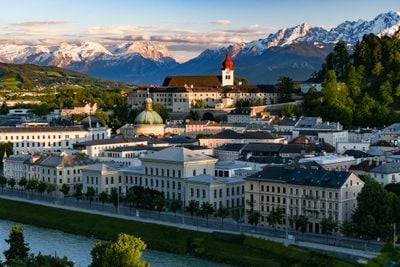
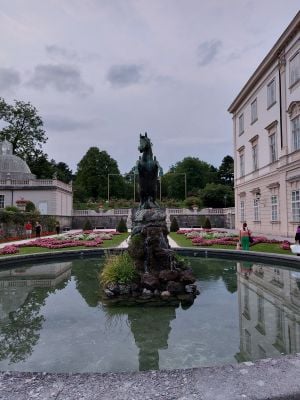
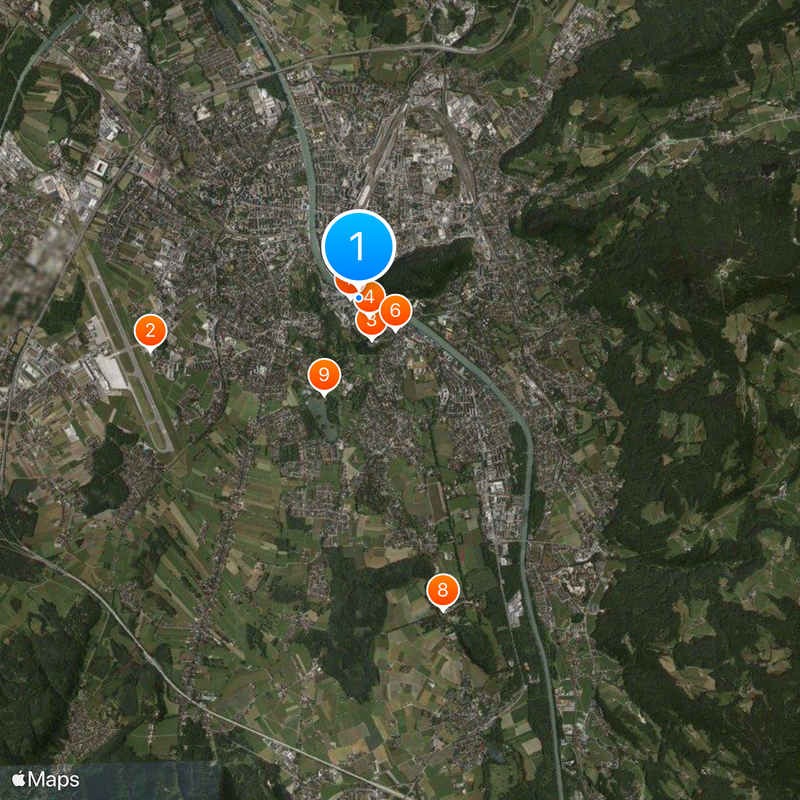
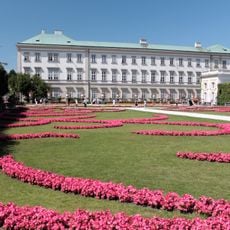
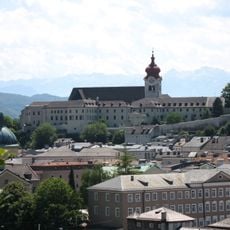
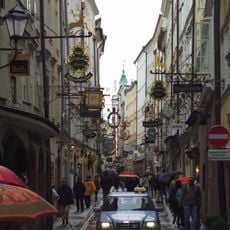
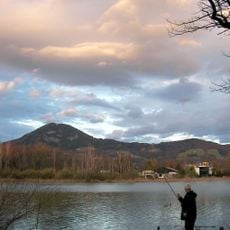
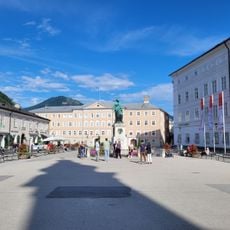
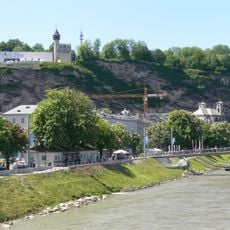
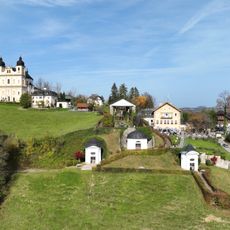
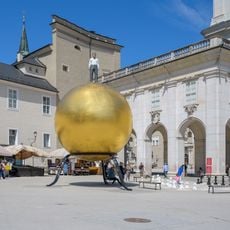
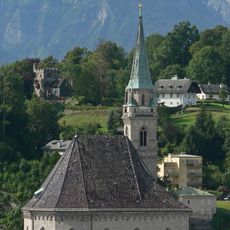
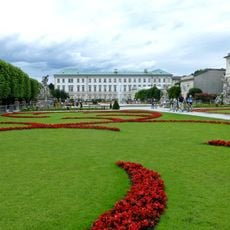
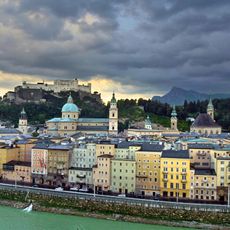
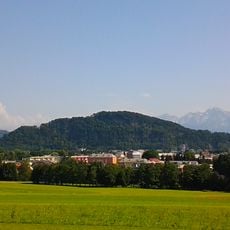
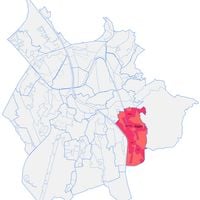
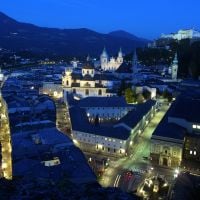
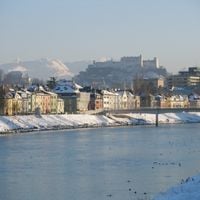
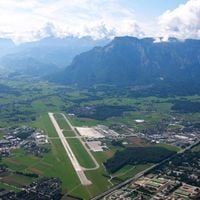
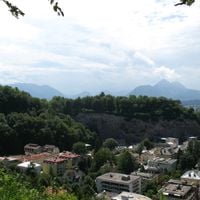
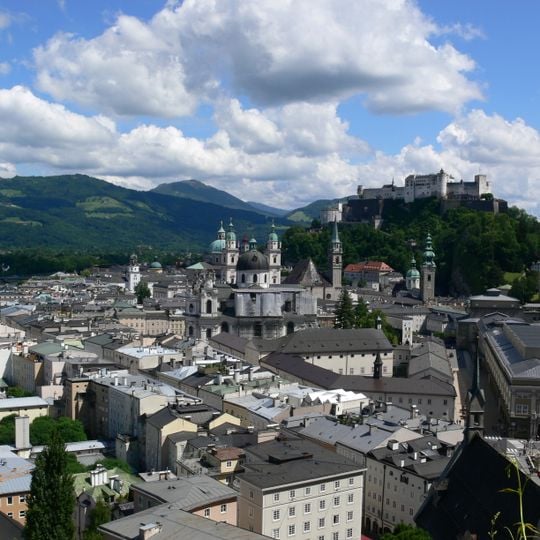
The city spreads across both banks of the Salzach River, with medieval and baroque structures between the hills Kapuzinerberg and Mönchsberg. The old town sits on the left riverbank, while the right side holds newer districts with parks and gardens.
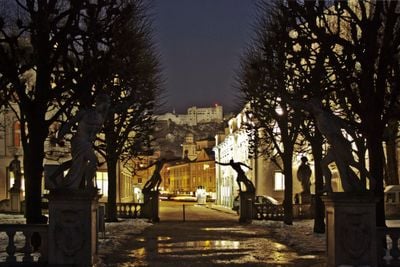
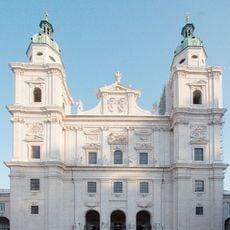
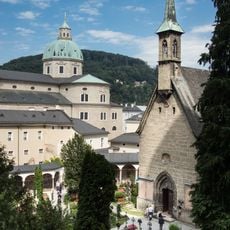
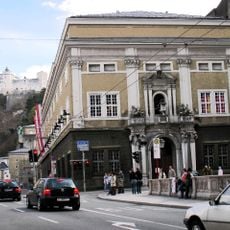
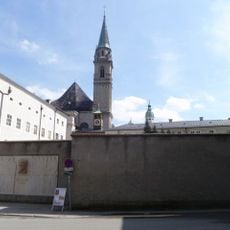
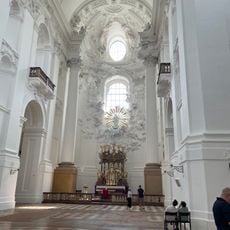
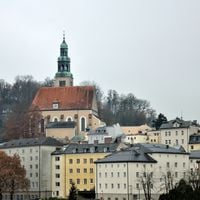
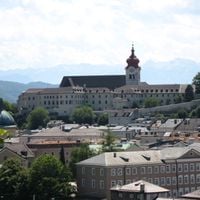
The Roman settlement Iuvavum became an episcopal center in 696, which led to the construction of monasteries and churches. In the 17th century, under the prince-archbishops, the baroque character emerged that now shapes the cityscape.
During the festival season in July and August, the city becomes a stage for opera, concerts, and theater in halls, churches, and open spaces. Locals and visitors alike use concert halls as well as the many coffeehouses, where people gather to discuss music and performances.
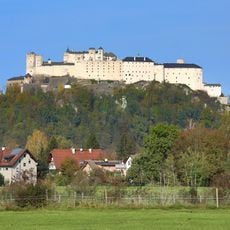
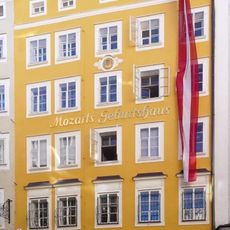
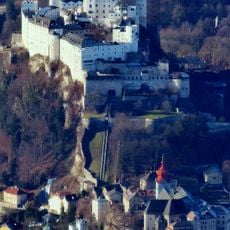
A city pass allows free access to public transport and major sights such as Mozart's birthplace and Hohensalzburg Fortress. Most historical areas are reachable on foot, with many streets in the old town reserved for pedestrians.
Salt mining in the surrounding mountains gave the city its name and brought wealth that financed the construction of grand churches and palaces. Today you can still see traces of this trading activity in street names and old warehouses along the river.
The community of curious travelers
AroundUs brings together thousands of curated places, local tips, and hidden gems, enriched daily by 90,800 contributors worldwide.