See the monuments around you in AROpen chests in the app
Around Us is built for your phone — point your camera at the streets and discover the monuments and places around you in augmented reality.Around Us is built for your phone — chests unlock when you walk, explore and capture nearby places.
The most beautiful places to visit in Europe during winter
Winter transforms Europe into a landscape of snow and shorter days, where cities and mountains take on a different character. Capital cities like Stockholm, Reykjavik, and Prague host Christmas markets in ancient streets, while the cold shapes how people move through daily life. Alpine regions such as the Dolomites, the Swiss Alps near Zermatt and Interlaken, and mountain towns like Innsbruck and Salzbourg reveal their snowy peaks and quiet valleys.
The far north presents a distinctive experience: Finnish Lapland and Tromso experience weeks without sunlight, and the northern lights appear more frequently in the night sky. Iceland's Golden Circle shows frozen waterfalls and geysers surrounded by winter terrain. This collection gathers 40 destinations across the continent, from medieval Old Towns in Central Europe to Nordic coastal areas, each showing how the season reshapes landscapes and shapes the rhythm of daily life in different ways.
The most beautiful places to visit in Europe during winter
Winter transforms Europe into a landscape of snow and shorter days, where cities and mountains take on a different character. Capital cities like Stockholm, Reykjavik, and Prague host Christmas markets in ancient streets, while the cold shapes how people move through daily life. Alpine regions such as the Dolomites, the Swiss Alps near Zermatt and Interlaken, and mountain towns like Innsbruck and Salzbourg reveal their snowy peaks and quiet valleys.
The far north presents a distinctive experience: Finnish Lapland and Tromso experience weeks without sunlight, and the northern lights appear more frequently in the night sky. Iceland's Golden Circle shows frozen waterfalls and geysers surrounded by winter terrain. This collection gathers 40 destinations across the continent, from medieval Old Towns in Central Europe to Nordic coastal areas, each showing how the season reshapes landscapes and shapes the rhythm of daily life in different ways.
Finnish Lapland is a region in northern Finland known for its snow-covered landscapes and dancing northern lights. Visitors experience Arctic nature in its most pristine form, with endless white forests and quiet nights under the starry sky. The region also offers encounters with reindeer and traditional Sami culture. In winter, daily life is shaped by darkness and snow, making this region a special place for those drawn to nature.
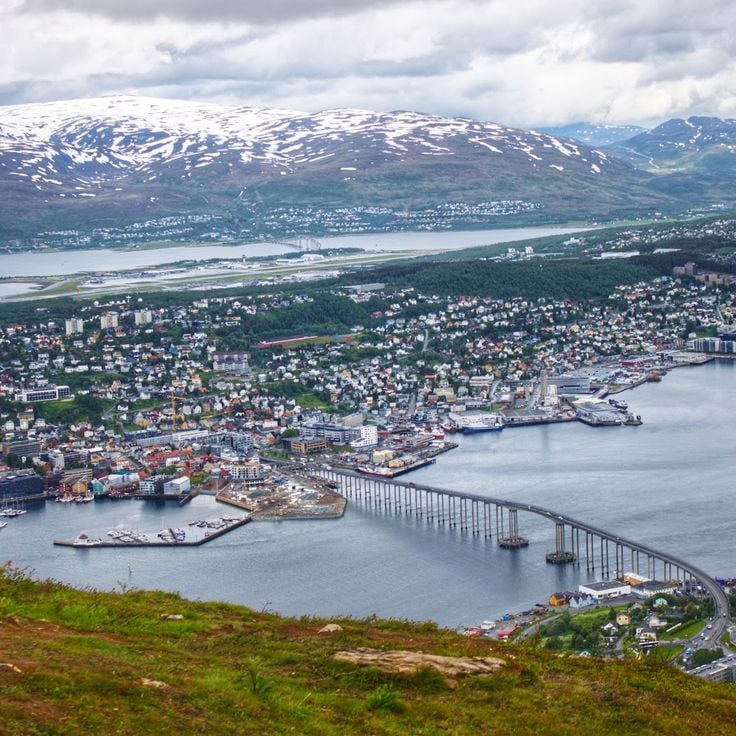
Tromsø sits on the northern coast of Norway and is known for its Arctic location and northern lights. The city is positioned so far north that it experiences several weeks without sunlight. Tromsø offers a unique winter experience with long dark nights that allow for northern light viewing. The city has adapted to life under these conditions and offers various outdoor activities. Visitors can experience the extreme Arctic climate and natural phenomena of the far north.
The Lofoten Islands are a Norwegian archipelago that shows dramatic mountain landscapes in winter. Snow covers steep peaks that rise from the sea. Small fishing villages with red houses sit along the coast. The islands lie far to the north and offer good chances to see the Northern Lights. Roads connect villages through bridges and ferries. In winter, the days are short, and the light in the sky has a special color. Hikers can explore fjords and visit bird cliffs.
Reykjavik is Iceland's capital city and serves as a gateway to winter experiences in the north. The city sits on the coast where geothermal activity brings warm waters even when snow covers the ground. Hot springs nearby offer a contrast between steaming pools and cold air, a sensation that visitors seek out during the winter months. The long, dark nights create good conditions for seeing the northern lights dancing across the sky. The city itself has colorful buildings and an active center where locals and visitors move through markets and streets despite the cold. Reykjavik shows how life continues and adapts in a place where winter brings extreme darkness and cold.
The Golden Circle is a tourist route in Iceland that passes by the country's major geological sites. In winter, this route reveals the raw power of Icelandic nature. The Strokkur geyser shoots hot water high into the cold air. The Gullfoss waterfall drops in two stages and turns to ice masses. Thingvellir National Park shows where two tectonic plates drift apart. Snow and ice transform these places into a different world. The route takes one day and connects three main attractions. Along the way, you see black lava fields and green hot spring areas beside the white snow.
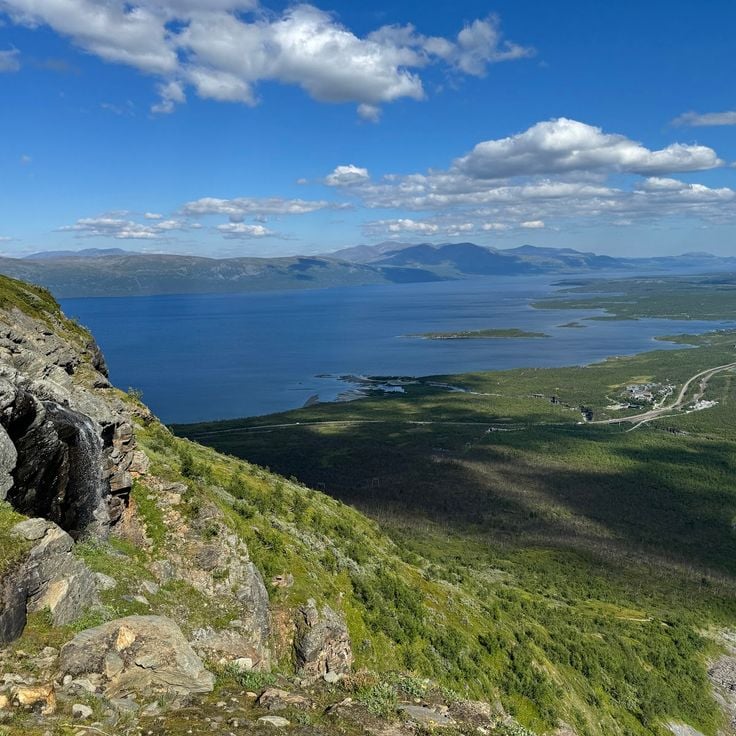
Abisko National Park lies in Swedish territory above the Arctic Circle and is known for northern lights displays. The park spans mountains, lakes, and forests in a harsh landscape where winter nights stretch long and dark. Visitors come here during the coldest months to watch the green and purple lights that dance across the sky. The night sky stays relatively clear and free from light pollution, making it a good place to observe this natural phenomenon.
Stockholm is the capital of Sweden, built across several islands. In winter, the city takes on a new appearance. Snow covers the old buildings and bridges. Daylight is short and nights are long and dark. People walk through the narrow streets of the old town, where history is visible at every turn. The canals freeze over, and sometimes you can walk across the ice. Christmas markets appear, where local craftspeople sell their goods. The city maintains its rhythm even as everything slows down. Stockholm shows a different face in winter compared to other seasons.
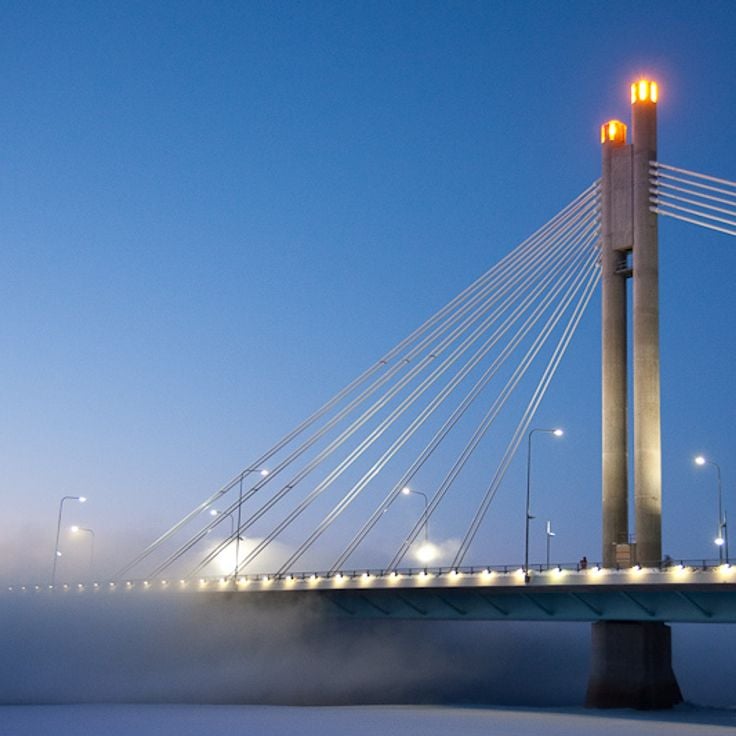
Rovaniemi is a Finnish city near the Arctic Circle and one of the main places to experience Nordic winter. Here visitors can watch reindeer, ride dog sleds, and walk under the polar night sky. The city sits at the edge between the inhabited south and the vast, snow-covered landscapes of the north. Many people come to Rovaniemi to see the northern lights and learn how local people live in extreme cold.
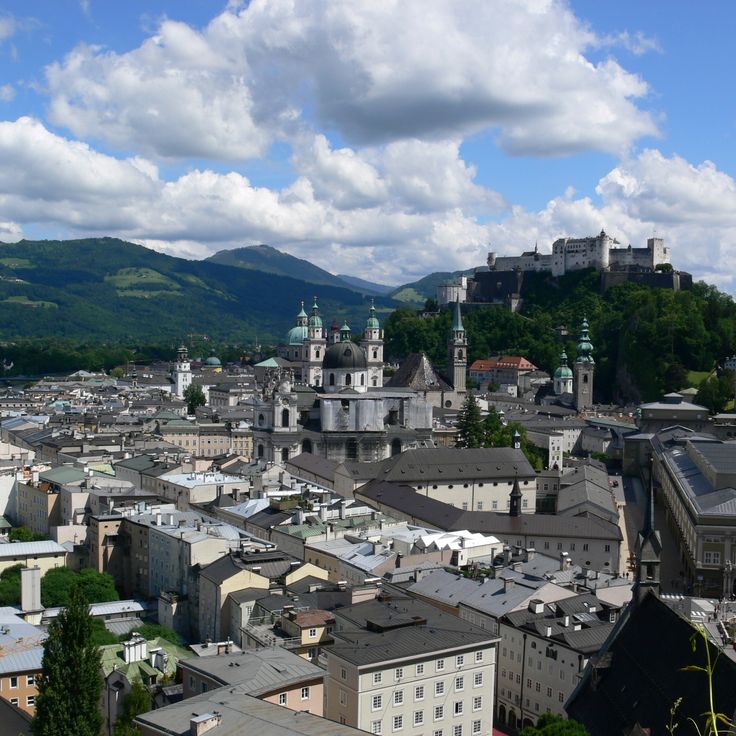
Salzburg is an Austrian city with a medieval old town that transforms in winter. Snow covers the narrow streets and rooftops of historic buildings. The city sits in a mountain landscape and is crossed by the Salzach river. In winter, visitors can explore Christmas markets in old streets, visit historic squares, and discover architecture from different periods. The proximity to the Alps makes Salzburg a place where mountain scenery and city life meet.
Innsbruck is a city in the Austrian Alps and a center for winter sports. In winter, snow covers the mountains and streets, transforming the city into a place where outdoor activities shape daily life. You can ski in the morning and walk through the old town in the evening. The city has a long history as a winter destination and attracts people who love mountain sports. Traditional Austrian architecture stands alongside modern sports facilities.
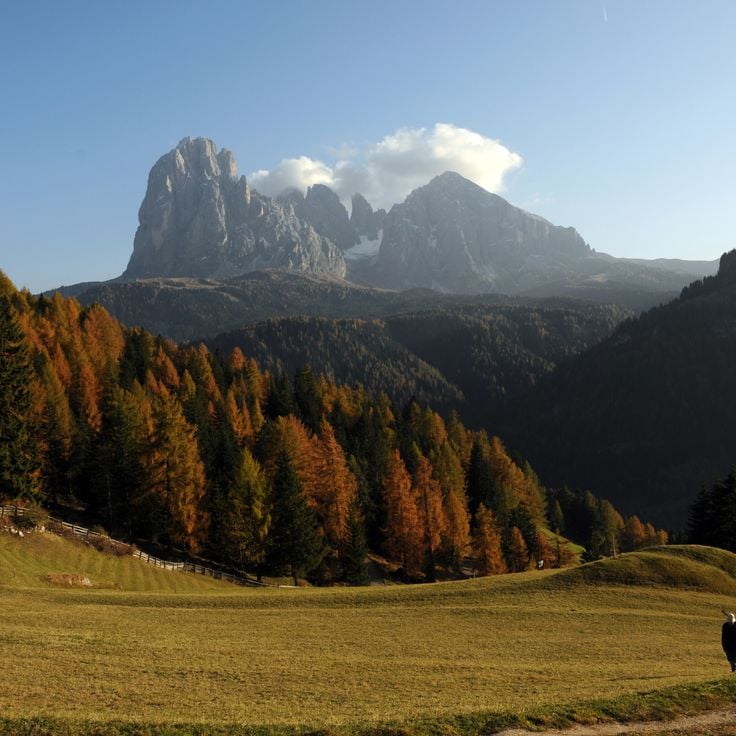
The Dolomites are a mountain range in Italy that transforms in winter. Snow covers the peaks and changes how light falls across the valleys. The villages below shift into a different pace as the cold months arrive. Here you can ski, hike, or watch how the landscape changes with the seasons. The mountains create a backdrop that looks different from moment to moment throughout the day.
Val Gardena is a valley in the Dolomites where winter transforms the slopes into ski runs. Snow covers the mountainsides, and the villages below have traditional chalets with wooden balconies. Three languages are spoken here: Italian, German, and Ladin. The valley is surrounded by tall rock faces that rise sharply from the valley floor. Winter brings clear, dark nights. Skiers of different abilities come here, along with those who prefer hiking or simply taking in the mountain views.
Cortina d'Ampezzo is a winter sports resort in the Dolomites where snow and mountains shape the landscape year-round. Situated high in the peaks, the resort offers slopes for different skill levels. In winter, visitors come to ski, snowboard, or simply experience the mountain environment. The town has a long history as a winter sports destination and has hosted major international competitions. The village architecture reflects the region's local culture, and during the cold months the resort becomes a hub for winter sports enthusiasts.
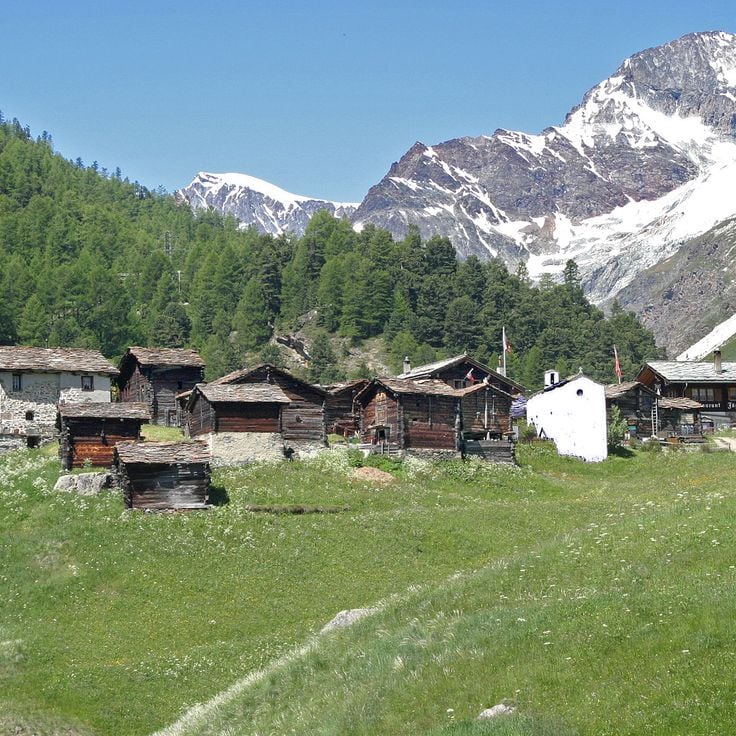
Zermatt is a village in Switzerland nestled at the foot of the Matterhorn. In winter, this place becomes a hub for people who enjoy mountain sports and the snow-covered landscape. The village has no cars, which creates a quiet feel as you walk through the streets. You can ski, hike on snowshoes, or simply take in the views of the surrounding peaks. Traditional wooden chalets line the roads, and old-fashioned shops dot the village. A railway carries visitors up to higher elevations where snow is more reliable. Zermatt offers a direct connection to the mountain environment throughout the winter season.
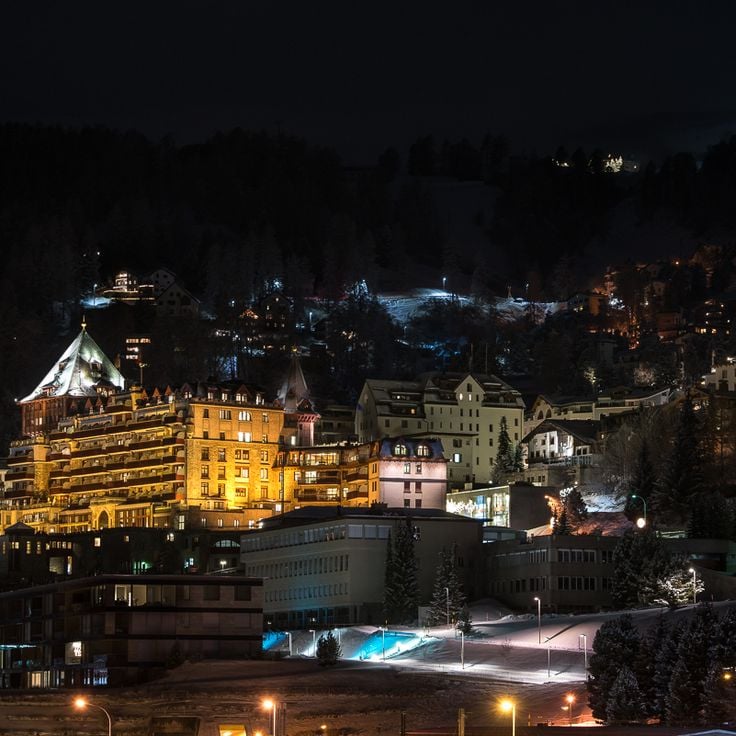
Saint-Moritz is a mountain village in Switzerland known for winter sports and luxury accommodations. In winter, skiers and snowboarders come from around the world to visit. The village sits in the Engadin Valley and has a long history as a winter destination. Walking through the town, you see expensive shops and restaurants. The lake sometimes freezes over, and people play polo on the ice or go ice skating. The mountains around the village are high and covered in snow. For many visitors, Saint-Moritz is a place where winter sports and comfort come together.
Interlaken is a Swiss town situated between two lakes and serves as the main gateway to the Bernese Alps. In winter, the surrounding mountains transform into a snow-covered landscape that draws skiers and hikers. The town itself remains active with hotels, restaurants, and shops welcoming visitors. From here you can easily reach ski resorts and mountains with sweeping views of snow-capped peaks. The cold season and proximity to nature give Interlaken its distinctive character during winter months.
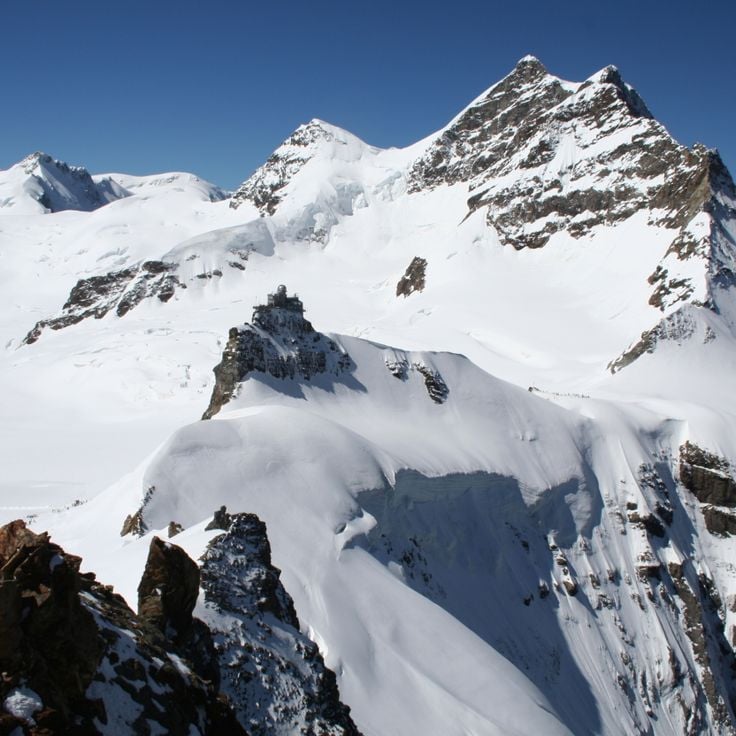
Jungfraujoch is a mountain pass in the Swiss Alps that is accessible only by train. In winter, this location offers expansive views of snow-covered peaks and glaciers. Its position above 11 200 feet (3 400 meters) makes it a remarkable destination. Visitors can walk across snow fields and experience the white landscape of the Alps directly. Jungfraujoch is a place where nature displays its full power in winter.
Prague transforms in winter under snow that covers its medieval streets. The Old Town becomes quieter, and the Moldau River partially freezes. Charles Bridge connects the two sides of the city and offers views of snow-covered roofs. Christmas markets appear in courtyards and squares throughout the center. The Castle towers above and looks even more imposing under white. The cold changes how people move through the city and how they spend their days.
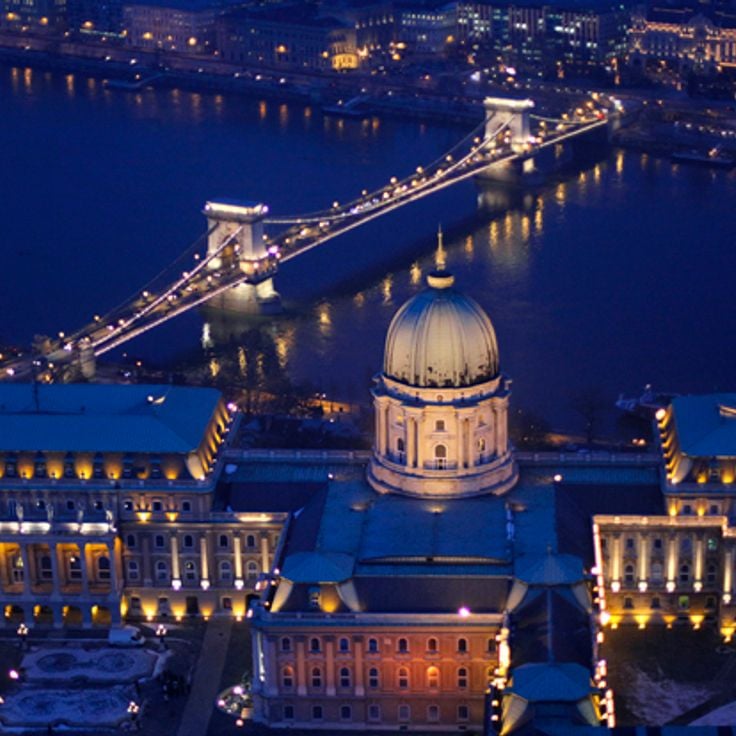
Budapest, Hungary's capital on the Danube River, takes on a different character in winter. The city has numerous thermal baths fed by warm water from underground sources. In winter, people soak in these baths while snow falls around them. Budapest has old buildings, bridges, and churches that look striking when covered in snow. The Danube sometimes freezes, and the riverbanks turn white. People walk through narrow streets in the old town, where mulled wine scents fill the air. Christmas markets open in the city squares. Budapest becomes quieter in winter, yet the thermal baths remain busy.
Krakow is a historic Polish city with a medieval market square at its center. In winter, the city takes on a different character. Snow covers the old streets and stone churches. The market square becomes a place for Christmas markets, where people gather to shop for crafts and warm drinks. The old town reveals its history in every corner. Visitors can walk through narrow streets, see ancient walls, and experience the rhythm that cold days and short hours bring to daily life.
The Estonian capital of Tallinn reveals its character through winter. The old town with its cobblestone streets becomes quieter under snow and frost. Medieval walls and towers frame narrow passages where people move slowly through the cold. Inside, cafes and restaurants fill with warmth and conversation. The port partially freezes, and short days slow the pace of daily life. Christmas markets appear in squares, bringing lights and local crafts. The city feels different in this season, more withdrawn and introspective.
Riga's old town sits along the Daugava River, showing buildings from many periods. The city has a large collection of Art Nouveau houses that shape its appearance. In winter, the old town with its narrow streets and historic facades feels different. Christmas markets appear on the squares, and the river landscape provides quiet contrast to the city's activity. Riga combines northern architecture with the pace of a modern capital.
Vilnius is the capital of Lithuania, and winter transforms the city in distinct ways. The baroque churches and narrow old streets take on a different character when snow covers the rooftops and the ground. Fewer people walk through the alleyways, and the wooden buildings show the marks of frost and ice. Christmas markets appear in courtyards where craftspeople sell traditional goods. The Vilnia and Neris rivers flow through frozen landscapes. During the cold months, Vilnius becomes quieter, and its historical layers become more visible to visitors.
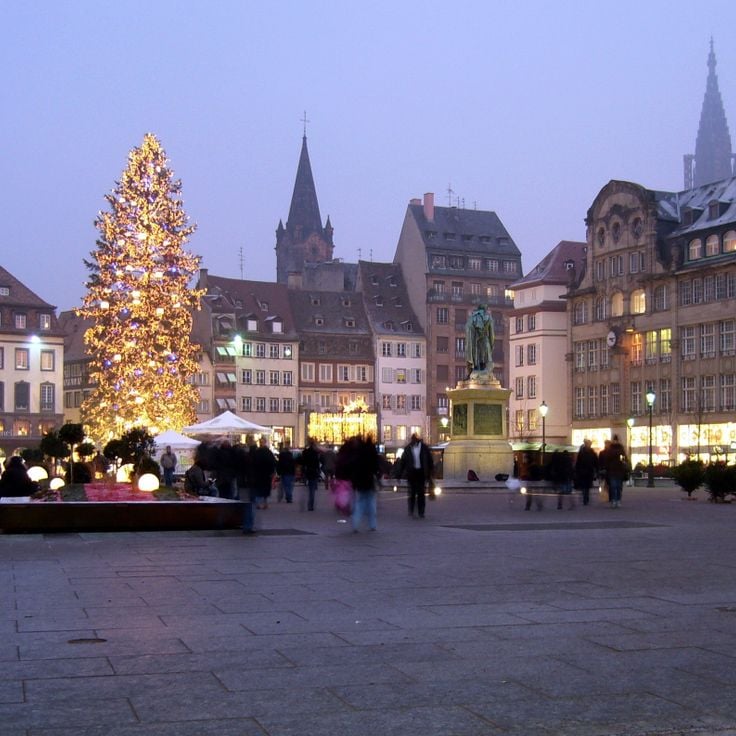
Strasbourg sits in Alsace and transforms in winter with snow and lights filling its old streets. From November through December, the Christmas market becomes the heart of the city, with vendors lining squares and narrow lanes. Canals wind through the medieval quarters, reflecting the glow of decorations. People move slowly through the cold, stopping to taste mulled wine and regional treats. The cathedral rises above terracotta roofs. This place shows how winter and holiday traditions shape daily life in a European city.
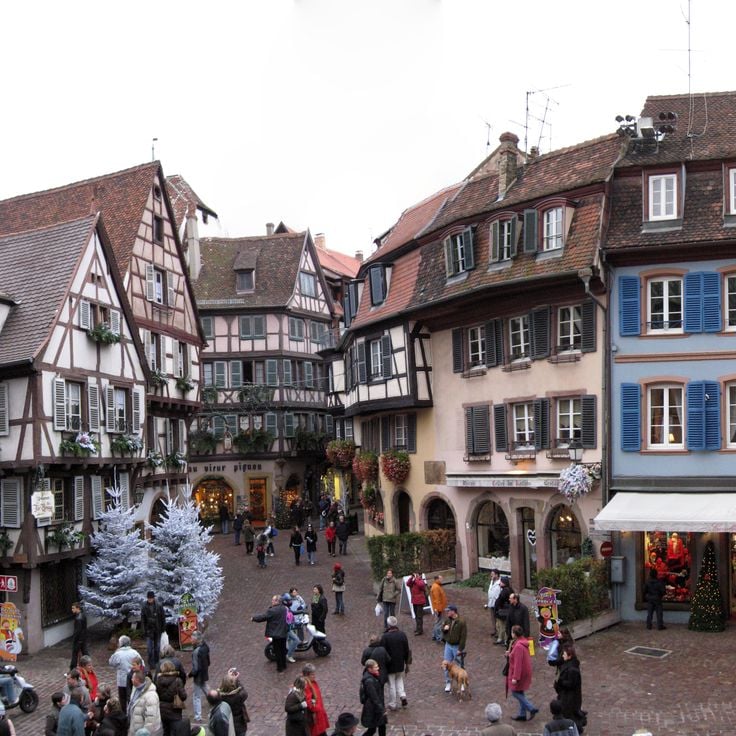
Colmar is a town in Alsace with timber-framed houses and a medieval center. In winter, the town shows itself differently. Snow covers the roofs and the narrow streets feel like stepping into a storybook. The Lauch river flows through the old town and reflects the historic buildings. At Christmas, the squares become lively markets. Visitors walk through the narrow streets between the old houses, drink mulled wine, and admire the decorations. The local people move through this rhythm that has shaped the town for generations.
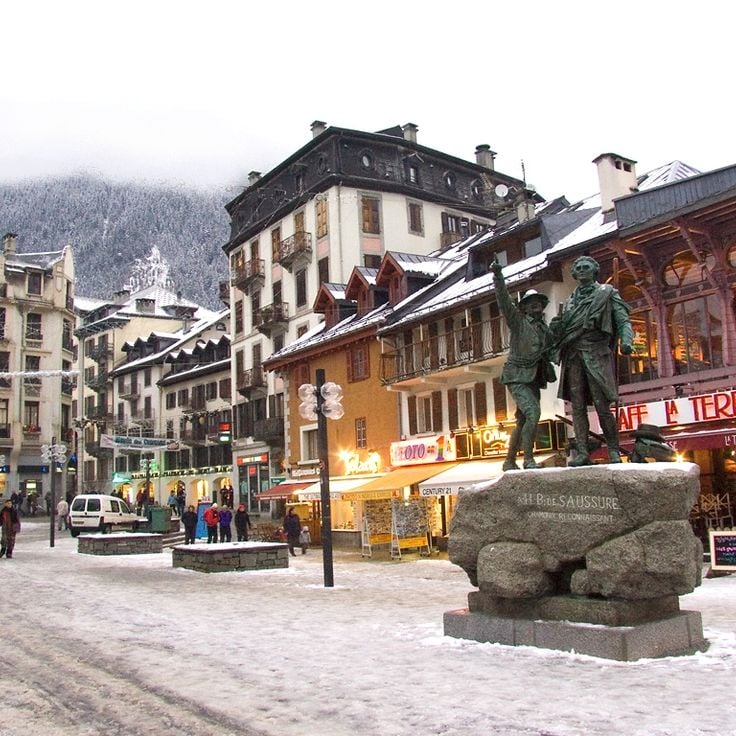
Chamonix is a mountain town in the French Alps below Mont Blanc. In winter, the town becomes a center for skiers and mountaineers. Snow-covered peaks surround the valley, and the streets fill with people heading to the mountains. Visitors can ski on slopes, take walks in the snow, or simply watch the mountain landscape from terraces. The town also offers access to ice caves and cable cars that climb higher into the mountains.
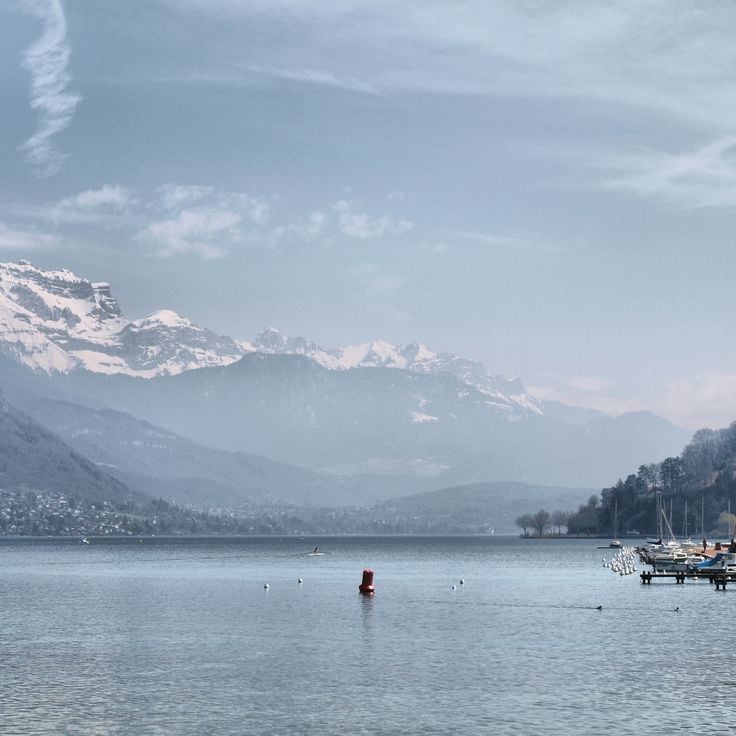
Annecy sits at the edge of an alpine lake in France and transforms in winter. The old town with its narrow streets and historic buildings looks different under snow. The lake partially freezes and catches the winter light. Mountains surrounding the city turn white and frame the landscape. Annecy draws visitors who want to walk through ancient streets and experience the mountain quiet. The city becomes a peaceful place when cold weather arrives.
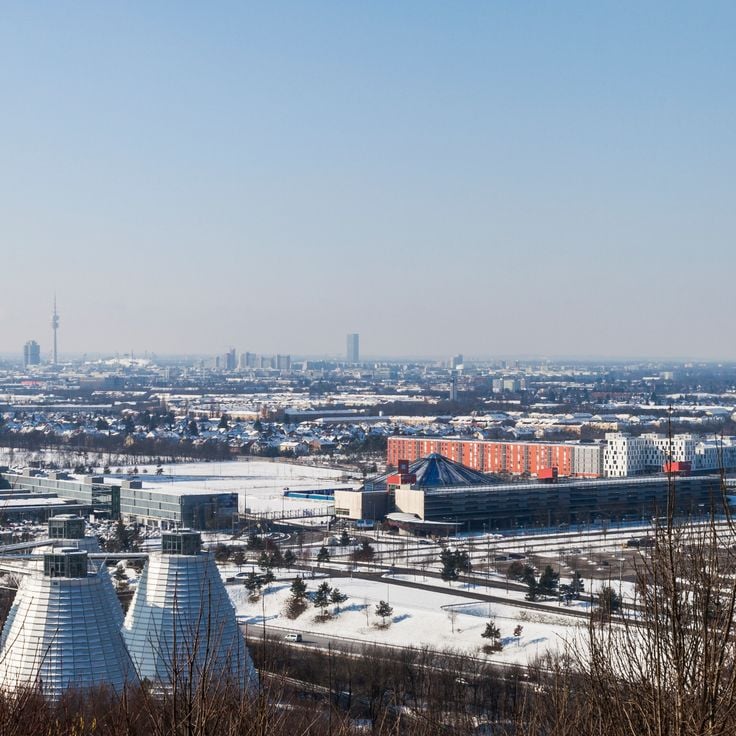
Munich is a Bavarian city in southern Germany with large squares and baroque buildings. In winter, the city feels quieter and slower. Snow covers the roofs and fewer people walk the streets. This place has a grand palace, several parks, and many beer halls where locals gather. The architecture shows centuries of history in the stone facades and church towers. Winter markets appear in December with wooden stalls selling drinks and decorations. When night falls early, the city takes on a different character, with warm lights coming from cafes and restaurants.
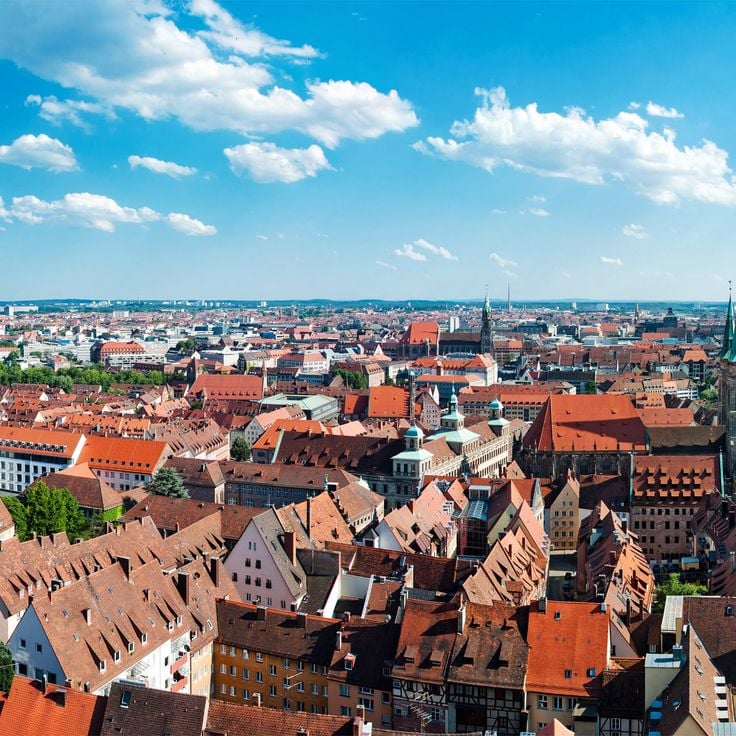
Nuremberg is a fortified German city with a medieval center that transforms during winter. Snow falls on the old town's narrow streets and half-timbered buildings. The Christkindlesmarkt becomes the heart of the season, drawing visitors from afar. Stone walls and towers frame the landscape. The scent of mulled wine and roasted almonds fills the air on cold days. History and present-day city life blend together in the season.
Rothenburg ob der Tauber is a small town in Bavaria that reveals its medieval character with particular clarity in winter. Snow covers the old rooftops and half-timbered houses while the intact ramparts and narrow lanes take on a timeless quality. Perched on a hilltop and surrounded by complete fortifications, the town transports visitors to another era. During the Advent season, town squares transform into Christmas markets, and historic inns welcome travelers to rest and warm up. The place preserves the image of a southwestern German medieval town that has endured through the centuries.
Bruges is a Belgian city where canals and cobblestone squares reveal themselves differently in winter. Medieval churches and buildings take on a new character when covered in snow and visited by fewer people. The narrow streets invite walks, and old shops and cafes line the routes. In winter, the pace slows down, and visitors can explore the architecture without crowds. The water reflects the season's light in a particular way.
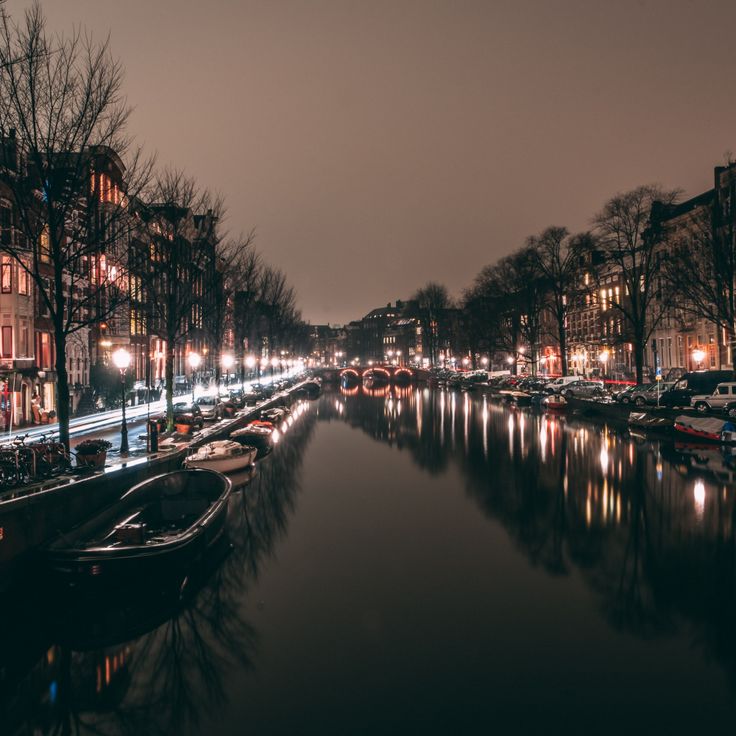
Amsterdam is the capital of the Netherlands and takes on a different character in winter. The canals can freeze over and the city becomes quieter. Many bridges cross the waterways, and museums offer refuge from the cold. Streets fill with people ice skating or visiting Christmas markets. Amsterdam combines urban activity with the slower pace that winter brings.
Copenhagen transforms in winter into a place where cold shapes daily life. The city shows a different face: canals partially freeze over, historic castles appear even more striking against the gray sky, and cafes become gathering spots where people warm themselves. The Danish capital moves at a slower pace in winter, but Christmas markets bring life to the old streets. Copenhagen offers a blend of Nordic calm and urban activity during this season.
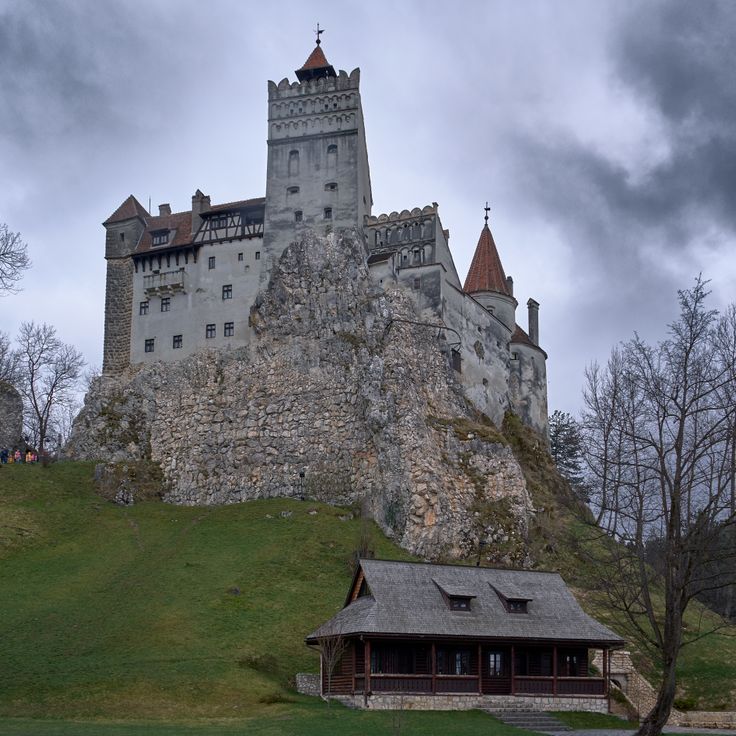
Transylvania is a historical region of Romania known for its castles, rural villages, and dense forests. In winter, this landscape transforms into something different. Snow-covered peaks frame medieval fortresses that stand on hillsides. The villages appear timeless: traditional houses with steep roofs, cobbled streets, and ancient churches. The forests become a silent, white realm. Here, visitors can feel history while walking through a winter landscape that feels quiet and mysterious.
Brasov is a city in the Carpathian Mountains of Transylvania, Romania, where medieval streets and architecture define the center. Snow transforms the old town's narrow lanes and historic buildings during winter months. The main square is framed by churches and centuries-old structures that shape the character of the place. The surrounding mountains create a dramatic setting when covered in snow. This is a location where the past remains visible in every corner, and winter deepens the mood of the historic core.
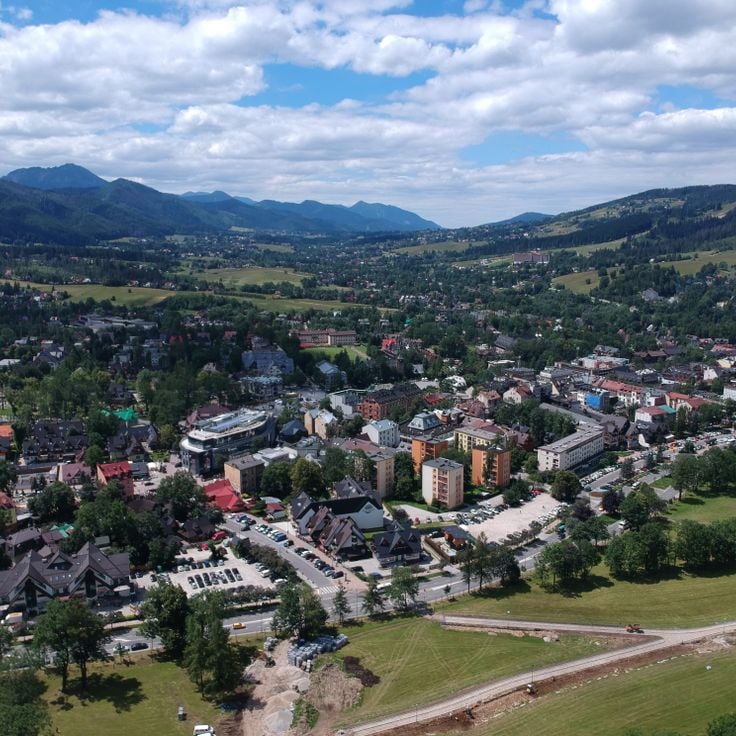
Zakopane is a mountain town in the Tatras that becomes a winter sports destination when snow arrives. The town sits high in the mountains where visitors find ski slopes, trails through snowy forests, and the pace of a place shaped by the mountains and seasons. In winter, the area transforms as snow covers the peaks and valleys, drawing people who want to ski, walk, and experience mountain life in the cold months.
Ljubljana's old town sits along a bend in the Ljubljanica River, with narrow streets and buildings from different periods. In winter, the bridges over the river look different, and the riverbanks feel quieter. The castle perched on the hill above the city stands out especially when snow falls. Green parks surround the center and remain visible even in cold months. Cafes and restaurants invite lingering, and people move more slowly through the streets. Ljubljana feels like a city that has time in winter.
Bled is a Slovenian location on the shore of an alpine lake with an island at its center and a castle overlooking the water. In winter, this place transforms. Snow covers the mountains that surround the lake. The castle sits on a cliff above the water. The island with its church becomes more isolated and mysterious. When snow falls, the landscape turns white and quiet. Fewer visitors come, which makes the place feel calmer. People walk along the shore or warm themselves in the few open cafes. The cold sometimes freezes the water. Bled shows a different face during the cold months.
Andorra la Vella is the capital of Andorra, nestled in the Pyrenees between France and Spain. In winter, this small city takes on a different character. Snow covers the narrow streets of the old town, and the mountain landscape surrounding it turns white. Visitors can walk through medieval alleyways and see how locals adapt their daily life to the cold season. The city offers both history and a sense of shelter in the high mountain setting.
Finnish Lapland is a region in northern Finland known for its snow-covered landscapes and dancing northern lights. Visitors experience Arctic nature in its most pristine form, with endless white forests and quiet nights under the starry sky. The region also offers encounters with reindeer and traditional Sami culture. In winter, daily life is shaped by darkness and snow, making this region a special place for those drawn to nature.
Tromsø sits on the northern coast of Norway and is known for its Arctic location and northern lights. The city is positioned so far north that it experiences several weeks without sunlight. Tromsø offers a unique winter experience with long dark nights that allow for northern light viewing. The city has adapted to life under these conditions and offers various outdoor activities. Visitors can experience the extreme Arctic climate and natural phenomena of the far north.
The Lofoten Islands are a Norwegian archipelago that shows dramatic mountain landscapes in winter. Snow covers steep peaks that rise from the sea. Small fishing villages with red houses sit along the coast. The islands lie far to the north and offer good chances to see the Northern Lights. Roads connect villages through bridges and ferries. In winter, the days are short, and the light in the sky has a special color. Hikers can explore fjords and visit bird cliffs.
Reykjavik is Iceland's capital city and serves as a gateway to winter experiences in the north. The city sits on the coast where geothermal activity brings warm waters even when snow covers the ground. Hot springs nearby offer a contrast between steaming pools and cold air, a sensation that visitors seek out during the winter months. The long, dark nights create good conditions for seeing the northern lights dancing across the sky. The city itself has colorful buildings and an active center where locals and visitors move through markets and streets despite the cold. Reykjavik shows how life continues and adapts in a place where winter brings extreme darkness and cold.
The Golden Circle is a tourist route in Iceland that passes by the country's major geological sites. In winter, this route reveals the raw power of Icelandic nature. The Strokkur geyser shoots hot water high into the cold air. The Gullfoss waterfall drops in two stages and turns to ice masses. Thingvellir National Park shows where two tectonic plates drift apart. Snow and ice transform these places into a different world. The route takes one day and connects three main attractions. Along the way, you see black lava fields and green hot spring areas beside the white snow.
Abisko National Park lies in Swedish territory above the Arctic Circle and is known for northern lights displays. The park spans mountains, lakes, and forests in a harsh landscape where winter nights stretch long and dark. Visitors come here during the coldest months to watch the green and purple lights that dance across the sky. The night sky stays relatively clear and free from light pollution, making it a good place to observe this natural phenomenon.
Stockholm is the capital of Sweden, built across several islands. In winter, the city takes on a new appearance. Snow covers the old buildings and bridges. Daylight is short and nights are long and dark. People walk through the narrow streets of the old town, where history is visible at every turn. The canals freeze over, and sometimes you can walk across the ice. Christmas markets appear, where local craftspeople sell their goods. The city maintains its rhythm even as everything slows down. Stockholm shows a different face in winter compared to other seasons.
Rovaniemi is a Finnish city near the Arctic Circle and one of the main places to experience Nordic winter. Here visitors can watch reindeer, ride dog sleds, and walk under the polar night sky. The city sits at the edge between the inhabited south and the vast, snow-covered landscapes of the north. Many people come to Rovaniemi to see the northern lights and learn how local people live in extreme cold.
Salzburg is an Austrian city with a medieval old town that transforms in winter. Snow covers the narrow streets and rooftops of historic buildings. The city sits in a mountain landscape and is crossed by the Salzach river. In winter, visitors can explore Christmas markets in old streets, visit historic squares, and discover architecture from different periods. The proximity to the Alps makes Salzburg a place where mountain scenery and city life meet.
Innsbruck is a city in the Austrian Alps and a center for winter sports. In winter, snow covers the mountains and streets, transforming the city into a place where outdoor activities shape daily life. You can ski in the morning and walk through the old town in the evening. The city has a long history as a winter destination and attracts people who love mountain sports. Traditional Austrian architecture stands alongside modern sports facilities.
The Dolomites are a mountain range in Italy that transforms in winter. Snow covers the peaks and changes how light falls across the valleys. The villages below shift into a different pace as the cold months arrive. Here you can ski, hike, or watch how the landscape changes with the seasons. The mountains create a backdrop that looks different from moment to moment throughout the day.
Val Gardena is a valley in the Dolomites where winter transforms the slopes into ski runs. Snow covers the mountainsides, and the villages below have traditional chalets with wooden balconies. Three languages are spoken here: Italian, German, and Ladin. The valley is surrounded by tall rock faces that rise sharply from the valley floor. Winter brings clear, dark nights. Skiers of different abilities come here, along with those who prefer hiking or simply taking in the mountain views.
Cortina d'Ampezzo is a winter sports resort in the Dolomites where snow and mountains shape the landscape year-round. Situated high in the peaks, the resort offers slopes for different skill levels. In winter, visitors come to ski, snowboard, or simply experience the mountain environment. The town has a long history as a winter sports destination and has hosted major international competitions. The village architecture reflects the region's local culture, and during the cold months the resort becomes a hub for winter sports enthusiasts.
Zermatt is a village in Switzerland nestled at the foot of the Matterhorn. In winter, this place becomes a hub for people who enjoy mountain sports and the snow-covered landscape. The village has no cars, which creates a quiet feel as you walk through the streets. You can ski, hike on snowshoes, or simply take in the views of the surrounding peaks. Traditional wooden chalets line the roads, and old-fashioned shops dot the village. A railway carries visitors up to higher elevations where snow is more reliable. Zermatt offers a direct connection to the mountain environment throughout the winter season.
Saint-Moritz is a mountain village in Switzerland known for winter sports and luxury accommodations. In winter, skiers and snowboarders come from around the world to visit. The village sits in the Engadin Valley and has a long history as a winter destination. Walking through the town, you see expensive shops and restaurants. The lake sometimes freezes over, and people play polo on the ice or go ice skating. The mountains around the village are high and covered in snow. For many visitors, Saint-Moritz is a place where winter sports and comfort come together.
Interlaken is a Swiss town situated between two lakes and serves as the main gateway to the Bernese Alps. In winter, the surrounding mountains transform into a snow-covered landscape that draws skiers and hikers. The town itself remains active with hotels, restaurants, and shops welcoming visitors. From here you can easily reach ski resorts and mountains with sweeping views of snow-capped peaks. The cold season and proximity to nature give Interlaken its distinctive character during winter months.
Jungfraujoch is a mountain pass in the Swiss Alps that is accessible only by train. In winter, this location offers expansive views of snow-covered peaks and glaciers. Its position above 11 200 feet (3 400 meters) makes it a remarkable destination. Visitors can walk across snow fields and experience the white landscape of the Alps directly. Jungfraujoch is a place where nature displays its full power in winter.
Prague transforms in winter under snow that covers its medieval streets. The Old Town becomes quieter, and the Moldau River partially freezes. Charles Bridge connects the two sides of the city and offers views of snow-covered roofs. Christmas markets appear in courtyards and squares throughout the center. The Castle towers above and looks even more imposing under white. The cold changes how people move through the city and how they spend their days.
Budapest, Hungary's capital on the Danube River, takes on a different character in winter. The city has numerous thermal baths fed by warm water from underground sources. In winter, people soak in these baths while snow falls around them. Budapest has old buildings, bridges, and churches that look striking when covered in snow. The Danube sometimes freezes, and the riverbanks turn white. People walk through narrow streets in the old town, where mulled wine scents fill the air. Christmas markets open in the city squares. Budapest becomes quieter in winter, yet the thermal baths remain busy.
Krakow is a historic Polish city with a medieval market square at its center. In winter, the city takes on a different character. Snow covers the old streets and stone churches. The market square becomes a place for Christmas markets, where people gather to shop for crafts and warm drinks. The old town reveals its history in every corner. Visitors can walk through narrow streets, see ancient walls, and experience the rhythm that cold days and short hours bring to daily life.
The Estonian capital of Tallinn reveals its character through winter. The old town with its cobblestone streets becomes quieter under snow and frost. Medieval walls and towers frame narrow passages where people move slowly through the cold. Inside, cafes and restaurants fill with warmth and conversation. The port partially freezes, and short days slow the pace of daily life. Christmas markets appear in squares, bringing lights and local crafts. The city feels different in this season, more withdrawn and introspective.
Riga's old town sits along the Daugava River, showing buildings from many periods. The city has a large collection of Art Nouveau houses that shape its appearance. In winter, the old town with its narrow streets and historic facades feels different. Christmas markets appear on the squares, and the river landscape provides quiet contrast to the city's activity. Riga combines northern architecture with the pace of a modern capital.
Vilnius is the capital of Lithuania, and winter transforms the city in distinct ways. The baroque churches and narrow old streets take on a different character when snow covers the rooftops and the ground. Fewer people walk through the alleyways, and the wooden buildings show the marks of frost and ice. Christmas markets appear in courtyards where craftspeople sell traditional goods. The Vilnia and Neris rivers flow through frozen landscapes. During the cold months, Vilnius becomes quieter, and its historical layers become more visible to visitors.
Strasbourg sits in Alsace and transforms in winter with snow and lights filling its old streets. From November through December, the Christmas market becomes the heart of the city, with vendors lining squares and narrow lanes. Canals wind through the medieval quarters, reflecting the glow of decorations. People move slowly through the cold, stopping to taste mulled wine and regional treats. The cathedral rises above terracotta roofs. This place shows how winter and holiday traditions shape daily life in a European city.
Colmar is a town in Alsace with timber-framed houses and a medieval center. In winter, the town shows itself differently. Snow covers the roofs and the narrow streets feel like stepping into a storybook. The Lauch river flows through the old town and reflects the historic buildings. At Christmas, the squares become lively markets. Visitors walk through the narrow streets between the old houses, drink mulled wine, and admire the decorations. The local people move through this rhythm that has shaped the town for generations.
Chamonix is a mountain town in the French Alps below Mont Blanc. In winter, the town becomes a center for skiers and mountaineers. Snow-covered peaks surround the valley, and the streets fill with people heading to the mountains. Visitors can ski on slopes, take walks in the snow, or simply watch the mountain landscape from terraces. The town also offers access to ice caves and cable cars that climb higher into the mountains.
Annecy sits at the edge of an alpine lake in France and transforms in winter. The old town with its narrow streets and historic buildings looks different under snow. The lake partially freezes and catches the winter light. Mountains surrounding the city turn white and frame the landscape. Annecy draws visitors who want to walk through ancient streets and experience the mountain quiet. The city becomes a peaceful place when cold weather arrives.
Munich is a Bavarian city in southern Germany with large squares and baroque buildings. In winter, the city feels quieter and slower. Snow covers the roofs and fewer people walk the streets. This place has a grand palace, several parks, and many beer halls where locals gather. The architecture shows centuries of history in the stone facades and church towers. Winter markets appear in December with wooden stalls selling drinks and decorations. When night falls early, the city takes on a different character, with warm lights coming from cafes and restaurants.
Nuremberg is a fortified German city with a medieval center that transforms during winter. Snow falls on the old town's narrow streets and half-timbered buildings. The Christkindlesmarkt becomes the heart of the season, drawing visitors from afar. Stone walls and towers frame the landscape. The scent of mulled wine and roasted almonds fills the air on cold days. History and present-day city life blend together in the season.
Rothenburg ob der Tauber is a small town in Bavaria that reveals its medieval character with particular clarity in winter. Snow covers the old rooftops and half-timbered houses while the intact ramparts and narrow lanes take on a timeless quality. Perched on a hilltop and surrounded by complete fortifications, the town transports visitors to another era. During the Advent season, town squares transform into Christmas markets, and historic inns welcome travelers to rest and warm up. The place preserves the image of a southwestern German medieval town that has endured through the centuries.
Bruges is a Belgian city where canals and cobblestone squares reveal themselves differently in winter. Medieval churches and buildings take on a new character when covered in snow and visited by fewer people. The narrow streets invite walks, and old shops and cafes line the routes. In winter, the pace slows down, and visitors can explore the architecture without crowds. The water reflects the season's light in a particular way.
Amsterdam is the capital of the Netherlands and takes on a different character in winter. The canals can freeze over and the city becomes quieter. Many bridges cross the waterways, and museums offer refuge from the cold. Streets fill with people ice skating or visiting Christmas markets. Amsterdam combines urban activity with the slower pace that winter brings.
Copenhagen transforms in winter into a place where cold shapes daily life. The city shows a different face: canals partially freeze over, historic castles appear even more striking against the gray sky, and cafes become gathering spots where people warm themselves. The Danish capital moves at a slower pace in winter, but Christmas markets bring life to the old streets. Copenhagen offers a blend of Nordic calm and urban activity during this season.
Transylvania is a historical region of Romania known for its castles, rural villages, and dense forests. In winter, this landscape transforms into something different. Snow-covered peaks frame medieval fortresses that stand on hillsides. The villages appear timeless: traditional houses with steep roofs, cobbled streets, and ancient churches. The forests become a silent, white realm. Here, visitors can feel history while walking through a winter landscape that feels quiet and mysterious.
Brasov is a city in the Carpathian Mountains of Transylvania, Romania, where medieval streets and architecture define the center. Snow transforms the old town's narrow lanes and historic buildings during winter months. The main square is framed by churches and centuries-old structures that shape the character of the place. The surrounding mountains create a dramatic setting when covered in snow. This is a location where the past remains visible in every corner, and winter deepens the mood of the historic core.
Zakopane is a mountain town in the Tatras that becomes a winter sports destination when snow arrives. The town sits high in the mountains where visitors find ski slopes, trails through snowy forests, and the pace of a place shaped by the mountains and seasons. In winter, the area transforms as snow covers the peaks and valleys, drawing people who want to ski, walk, and experience mountain life in the cold months.
Ljubljana's old town sits along a bend in the Ljubljanica River, with narrow streets and buildings from different periods. In winter, the bridges over the river look different, and the riverbanks feel quieter. The castle perched on the hill above the city stands out especially when snow falls. Green parks surround the center and remain visible even in cold months. Cafes and restaurants invite lingering, and people move more slowly through the streets. Ljubljana feels like a city that has time in winter.
Bled is a Slovenian location on the shore of an alpine lake with an island at its center and a castle overlooking the water. In winter, this place transforms. Snow covers the mountains that surround the lake. The castle sits on a cliff above the water. The island with its church becomes more isolated and mysterious. When snow falls, the landscape turns white and quiet. Fewer visitors come, which makes the place feel calmer. People walk along the shore or warm themselves in the few open cafes. The cold sometimes freezes the water. Bled shows a different face during the cold months.
Andorra la Vella is the capital of Andorra, nestled in the Pyrenees between France and Spain. In winter, this small city takes on a different character. Snow covers the narrow streets of the old town, and the mountain landscape surrounding it turns white. Visitors can walk through medieval alleyways and see how locals adapt their daily life to the cold season. The city offers both history and a sense of shelter in the high mountain setting.
Finnish Lapland is a region in northern Finland known for its snow-covered landscapes and dancing northern lights. Visitors experience Arctic nature in its most pristine form, with endless white forests and quiet nights under the starry sky. The region also offers encounters with reindeer and traditional Sami culture. In winter, daily life is shaped by darkness and snow, making this region a special place for those drawn to nature.
Tromsø sits on the northern coast of Norway and is known for its Arctic location and northern lights. The city is positioned so far north that it experiences several weeks without sunlight. Tromsø offers a unique winter experience with long dark nights that allow for northern light viewing. The city has adapted to life under these conditions and offers various outdoor activities. Visitors can experience the extreme Arctic climate and natural phenomena of the far north.
The Lofoten Islands are a Norwegian archipelago that shows dramatic mountain landscapes in winter. Snow covers steep peaks that rise from the sea. Small fishing villages with red houses sit along the coast. The islands lie far to the north and offer good chances to see the Northern Lights. Roads connect villages through bridges and ferries. In winter, the days are short, and the light in the sky has a special color. Hikers can explore fjords and visit bird cliffs.
Reykjavik is Iceland's capital city and serves as a gateway to winter experiences in the north. The city sits on the coast where geothermal activity brings warm waters even when snow covers the ground. Hot springs nearby offer a contrast between steaming pools and cold air, a sensation that visitors seek out during the winter months. The long, dark nights create good conditions for seeing the northern lights dancing across the sky. The city itself has colorful buildings and an active center where locals and visitors move through markets and streets despite the cold. Reykjavik shows how life continues and adapts in a place where winter brings extreme darkness and cold.
The Golden Circle is a tourist route in Iceland that passes by the country's major geological sites. In winter, this route reveals the raw power of Icelandic nature. The Strokkur geyser shoots hot water high into the cold air. The Gullfoss waterfall drops in two stages and turns to ice masses. Thingvellir National Park shows where two tectonic plates drift apart. Snow and ice transform these places into a different world. The route takes one day and connects three main attractions. Along the way, you see black lava fields and green hot spring areas beside the white snow.
Abisko National Park lies in Swedish territory above the Arctic Circle and is known for northern lights displays. The park spans mountains, lakes, and forests in a harsh landscape where winter nights stretch long and dark. Visitors come here during the coldest months to watch the green and purple lights that dance across the sky. The night sky stays relatively clear and free from light pollution, making it a good place to observe this natural phenomenon.
Stockholm is the capital of Sweden, built across several islands. In winter, the city takes on a new appearance. Snow covers the old buildings and bridges. Daylight is short and nights are long and dark. People walk through the narrow streets of the old town, where history is visible at every turn. The canals freeze over, and sometimes you can walk across the ice. Christmas markets appear, where local craftspeople sell their goods. The city maintains its rhythm even as everything slows down. Stockholm shows a different face in winter compared to other seasons.
Rovaniemi is a Finnish city near the Arctic Circle and one of the main places to experience Nordic winter. Here visitors can watch reindeer, ride dog sleds, and walk under the polar night sky. The city sits at the edge between the inhabited south and the vast, snow-covered landscapes of the north. Many people come to Rovaniemi to see the northern lights and learn how local people live in extreme cold.
Salzburg is an Austrian city with a medieval old town that transforms in winter. Snow covers the narrow streets and rooftops of historic buildings. The city sits in a mountain landscape and is crossed by the Salzach river. In winter, visitors can explore Christmas markets in old streets, visit historic squares, and discover architecture from different periods. The proximity to the Alps makes Salzburg a place where mountain scenery and city life meet.
Innsbruck is a city in the Austrian Alps and a center for winter sports. In winter, snow covers the mountains and streets, transforming the city into a place where outdoor activities shape daily life. You can ski in the morning and walk through the old town in the evening. The city has a long history as a winter destination and attracts people who love mountain sports. Traditional Austrian architecture stands alongside modern sports facilities.
The Dolomites are a mountain range in Italy that transforms in winter. Snow covers the peaks and changes how light falls across the valleys. The villages below shift into a different pace as the cold months arrive. Here you can ski, hike, or watch how the landscape changes with the seasons. The mountains create a backdrop that looks different from moment to moment throughout the day.
Val Gardena is a valley in the Dolomites where winter transforms the slopes into ski runs. Snow covers the mountainsides, and the villages below have traditional chalets with wooden balconies. Three languages are spoken here: Italian, German, and Ladin. The valley is surrounded by tall rock faces that rise sharply from the valley floor. Winter brings clear, dark nights. Skiers of different abilities come here, along with those who prefer hiking or simply taking in the mountain views.
Cortina d'Ampezzo is a winter sports resort in the Dolomites where snow and mountains shape the landscape year-round. Situated high in the peaks, the resort offers slopes for different skill levels. In winter, visitors come to ski, snowboard, or simply experience the mountain environment. The town has a long history as a winter sports destination and has hosted major international competitions. The village architecture reflects the region's local culture, and during the cold months the resort becomes a hub for winter sports enthusiasts.
Zermatt is a village in Switzerland nestled at the foot of the Matterhorn. In winter, this place becomes a hub for people who enjoy mountain sports and the snow-covered landscape. The village has no cars, which creates a quiet feel as you walk through the streets. You can ski, hike on snowshoes, or simply take in the views of the surrounding peaks. Traditional wooden chalets line the roads, and old-fashioned shops dot the village. A railway carries visitors up to higher elevations where snow is more reliable. Zermatt offers a direct connection to the mountain environment throughout the winter season.
Saint-Moritz is a mountain village in Switzerland known for winter sports and luxury accommodations. In winter, skiers and snowboarders come from around the world to visit. The village sits in the Engadin Valley and has a long history as a winter destination. Walking through the town, you see expensive shops and restaurants. The lake sometimes freezes over, and people play polo on the ice or go ice skating. The mountains around the village are high and covered in snow. For many visitors, Saint-Moritz is a place where winter sports and comfort come together.
Interlaken is a Swiss town situated between two lakes and serves as the main gateway to the Bernese Alps. In winter, the surrounding mountains transform into a snow-covered landscape that draws skiers and hikers. The town itself remains active with hotels, restaurants, and shops welcoming visitors. From here you can easily reach ski resorts and mountains with sweeping views of snow-capped peaks. The cold season and proximity to nature give Interlaken its distinctive character during winter months.
Jungfraujoch is a mountain pass in the Swiss Alps that is accessible only by train. In winter, this location offers expansive views of snow-covered peaks and glaciers. Its position above 11 200 feet (3 400 meters) makes it a remarkable destination. Visitors can walk across snow fields and experience the white landscape of the Alps directly. Jungfraujoch is a place where nature displays its full power in winter.
Prague transforms in winter under snow that covers its medieval streets. The Old Town becomes quieter, and the Moldau River partially freezes. Charles Bridge connects the two sides of the city and offers views of snow-covered roofs. Christmas markets appear in courtyards and squares throughout the center. The Castle towers above and looks even more imposing under white. The cold changes how people move through the city and how they spend their days.
Budapest, Hungary's capital on the Danube River, takes on a different character in winter. The city has numerous thermal baths fed by warm water from underground sources. In winter, people soak in these baths while snow falls around them. Budapest has old buildings, bridges, and churches that look striking when covered in snow. The Danube sometimes freezes, and the riverbanks turn white. People walk through narrow streets in the old town, where mulled wine scents fill the air. Christmas markets open in the city squares. Budapest becomes quieter in winter, yet the thermal baths remain busy.
Krakow is a historic Polish city with a medieval market square at its center. In winter, the city takes on a different character. Snow covers the old streets and stone churches. The market square becomes a place for Christmas markets, where people gather to shop for crafts and warm drinks. The old town reveals its history in every corner. Visitors can walk through narrow streets, see ancient walls, and experience the rhythm that cold days and short hours bring to daily life.
The Estonian capital of Tallinn reveals its character through winter. The old town with its cobblestone streets becomes quieter under snow and frost. Medieval walls and towers frame narrow passages where people move slowly through the cold. Inside, cafes and restaurants fill with warmth and conversation. The port partially freezes, and short days slow the pace of daily life. Christmas markets appear in squares, bringing lights and local crafts. The city feels different in this season, more withdrawn and introspective.
Riga's old town sits along the Daugava River, showing buildings from many periods. The city has a large collection of Art Nouveau houses that shape its appearance. In winter, the old town with its narrow streets and historic facades feels different. Christmas markets appear on the squares, and the river landscape provides quiet contrast to the city's activity. Riga combines northern architecture with the pace of a modern capital.
Vilnius is the capital of Lithuania, and winter transforms the city in distinct ways. The baroque churches and narrow old streets take on a different character when snow covers the rooftops and the ground. Fewer people walk through the alleyways, and the wooden buildings show the marks of frost and ice. Christmas markets appear in courtyards where craftspeople sell traditional goods. The Vilnia and Neris rivers flow through frozen landscapes. During the cold months, Vilnius becomes quieter, and its historical layers become more visible to visitors.
Strasbourg sits in Alsace and transforms in winter with snow and lights filling its old streets. From November through December, the Christmas market becomes the heart of the city, with vendors lining squares and narrow lanes. Canals wind through the medieval quarters, reflecting the glow of decorations. People move slowly through the cold, stopping to taste mulled wine and regional treats. The cathedral rises above terracotta roofs. This place shows how winter and holiday traditions shape daily life in a European city.
Colmar is a town in Alsace with timber-framed houses and a medieval center. In winter, the town shows itself differently. Snow covers the roofs and the narrow streets feel like stepping into a storybook. The Lauch river flows through the old town and reflects the historic buildings. At Christmas, the squares become lively markets. Visitors walk through the narrow streets between the old houses, drink mulled wine, and admire the decorations. The local people move through this rhythm that has shaped the town for generations.
Chamonix is a mountain town in the French Alps below Mont Blanc. In winter, the town becomes a center for skiers and mountaineers. Snow-covered peaks surround the valley, and the streets fill with people heading to the mountains. Visitors can ski on slopes, take walks in the snow, or simply watch the mountain landscape from terraces. The town also offers access to ice caves and cable cars that climb higher into the mountains.
Annecy sits at the edge of an alpine lake in France and transforms in winter. The old town with its narrow streets and historic buildings looks different under snow. The lake partially freezes and catches the winter light. Mountains surrounding the city turn white and frame the landscape. Annecy draws visitors who want to walk through ancient streets and experience the mountain quiet. The city becomes a peaceful place when cold weather arrives.
Munich is a Bavarian city in southern Germany with large squares and baroque buildings. In winter, the city feels quieter and slower. Snow covers the roofs and fewer people walk the streets. This place has a grand palace, several parks, and many beer halls where locals gather. The architecture shows centuries of history in the stone facades and church towers. Winter markets appear in December with wooden stalls selling drinks and decorations. When night falls early, the city takes on a different character, with warm lights coming from cafes and restaurants.
Nuremberg is a fortified German city with a medieval center that transforms during winter. Snow falls on the old town's narrow streets and half-timbered buildings. The Christkindlesmarkt becomes the heart of the season, drawing visitors from afar. Stone walls and towers frame the landscape. The scent of mulled wine and roasted almonds fills the air on cold days. History and present-day city life blend together in the season.
Rothenburg ob der Tauber is a small town in Bavaria that reveals its medieval character with particular clarity in winter. Snow covers the old rooftops and half-timbered houses while the intact ramparts and narrow lanes take on a timeless quality. Perched on a hilltop and surrounded by complete fortifications, the town transports visitors to another era. During the Advent season, town squares transform into Christmas markets, and historic inns welcome travelers to rest and warm up. The place preserves the image of a southwestern German medieval town that has endured through the centuries.
Bruges is a Belgian city where canals and cobblestone squares reveal themselves differently in winter. Medieval churches and buildings take on a new character when covered in snow and visited by fewer people. The narrow streets invite walks, and old shops and cafes line the routes. In winter, the pace slows down, and visitors can explore the architecture without crowds. The water reflects the season's light in a particular way.
Amsterdam is the capital of the Netherlands and takes on a different character in winter. The canals can freeze over and the city becomes quieter. Many bridges cross the waterways, and museums offer refuge from the cold. Streets fill with people ice skating or visiting Christmas markets. Amsterdam combines urban activity with the slower pace that winter brings.
Copenhagen transforms in winter into a place where cold shapes daily life. The city shows a different face: canals partially freeze over, historic castles appear even more striking against the gray sky, and cafes become gathering spots where people warm themselves. The Danish capital moves at a slower pace in winter, but Christmas markets bring life to the old streets. Copenhagen offers a blend of Nordic calm and urban activity during this season.
Transylvania is a historical region of Romania known for its castles, rural villages, and dense forests. In winter, this landscape transforms into something different. Snow-covered peaks frame medieval fortresses that stand on hillsides. The villages appear timeless: traditional houses with steep roofs, cobbled streets, and ancient churches. The forests become a silent, white realm. Here, visitors can feel history while walking through a winter landscape that feels quiet and mysterious.
Brasov is a city in the Carpathian Mountains of Transylvania, Romania, where medieval streets and architecture define the center. Snow transforms the old town's narrow lanes and historic buildings during winter months. The main square is framed by churches and centuries-old structures that shape the character of the place. The surrounding mountains create a dramatic setting when covered in snow. This is a location where the past remains visible in every corner, and winter deepens the mood of the historic core.
Zakopane is a mountain town in the Tatras that becomes a winter sports destination when snow arrives. The town sits high in the mountains where visitors find ski slopes, trails through snowy forests, and the pace of a place shaped by the mountains and seasons. In winter, the area transforms as snow covers the peaks and valleys, drawing people who want to ski, walk, and experience mountain life in the cold months.
Ljubljana's old town sits along a bend in the Ljubljanica River, with narrow streets and buildings from different periods. In winter, the bridges over the river look different, and the riverbanks feel quieter. The castle perched on the hill above the city stands out especially when snow falls. Green parks surround the center and remain visible even in cold months. Cafes and restaurants invite lingering, and people move more slowly through the streets. Ljubljana feels like a city that has time in winter.
Bled is a Slovenian location on the shore of an alpine lake with an island at its center and a castle overlooking the water. In winter, this place transforms. Snow covers the mountains that surround the lake. The castle sits on a cliff above the water. The island with its church becomes more isolated and mysterious. When snow falls, the landscape turns white and quiet. Fewer visitors come, which makes the place feel calmer. People walk along the shore or warm themselves in the few open cafes. The cold sometimes freezes the water. Bled shows a different face during the cold months.
Andorra la Vella is the capital of Andorra, nestled in the Pyrenees between France and Spain. In winter, this small city takes on a different character. Snow covers the narrow streets of the old town, and the mountain landscape surrounding it turns white. Visitors can walk through medieval alleyways and see how locals adapt their daily life to the cold season. The city offers both history and a sense of shelter in the high mountain setting.