Colmar, Administrative center in Haut-Rhin, France
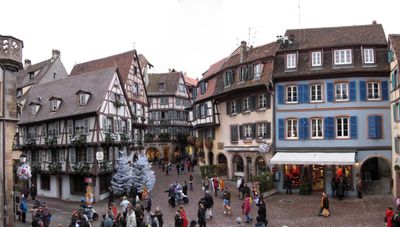
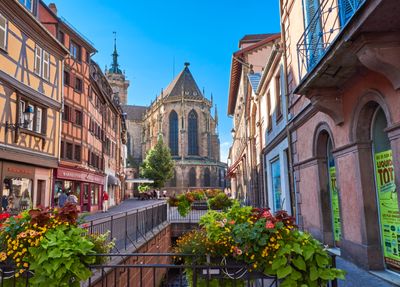
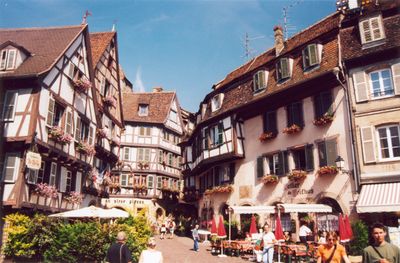
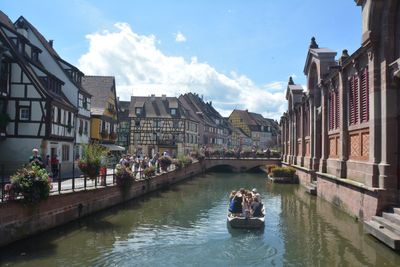
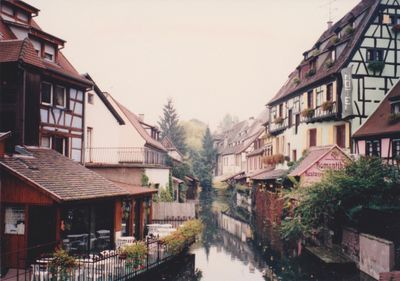
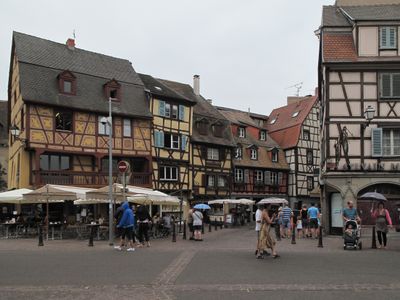
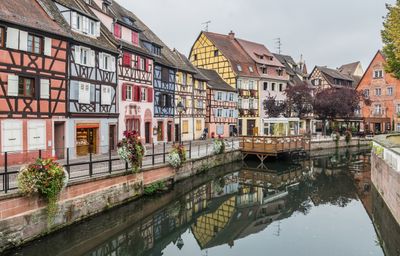
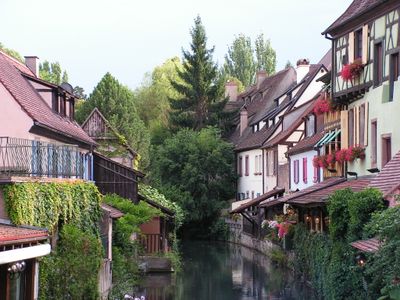
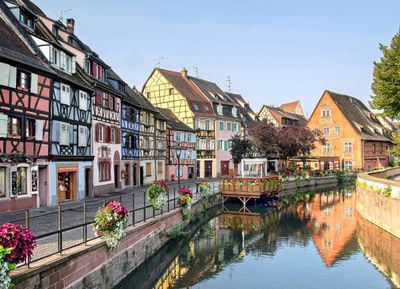
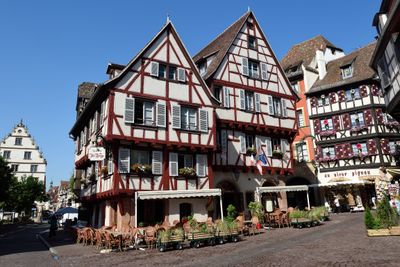
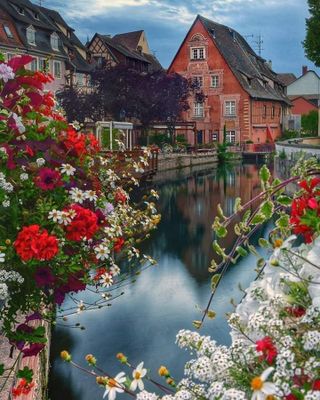
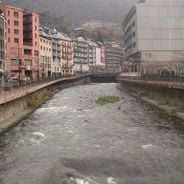
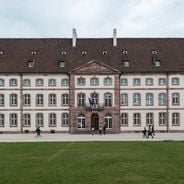
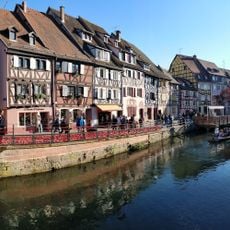
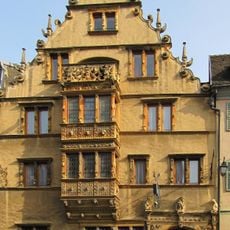
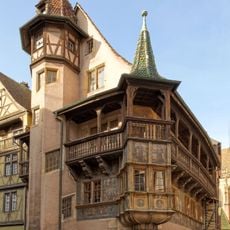
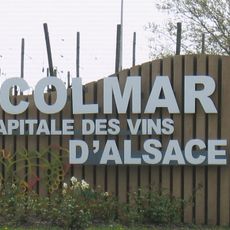
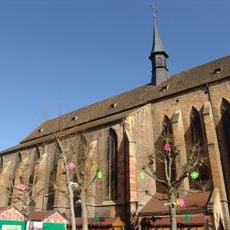
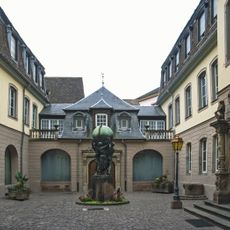
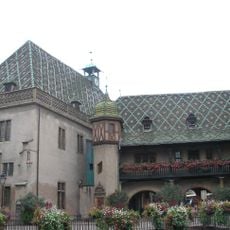
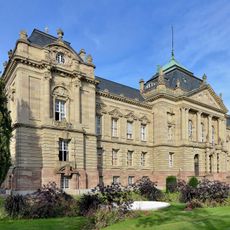
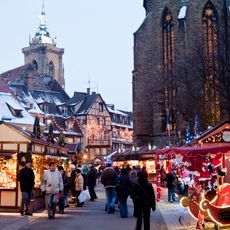
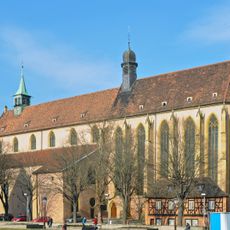
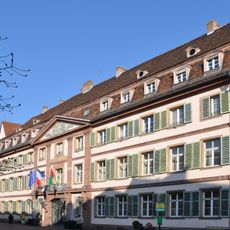
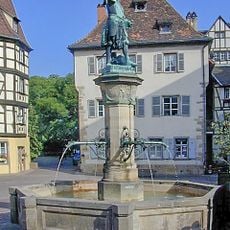
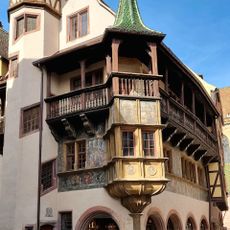
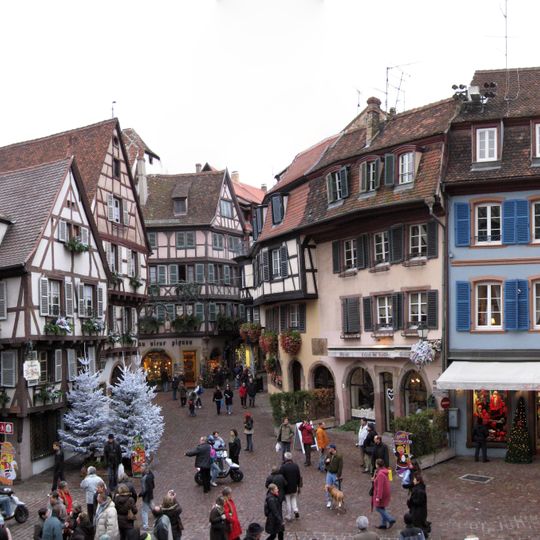
Colmar is an administrative center in the Haut-Rhin department of northeastern France, crossed by canals and lined with half-timbered houses featuring painted facades. The town spreads across a plain near the Vosges mountains, with squares, bridges, and wine cellars defining the townscape.
The settlement gained imperial city status in 1226 from Emperor Frederick II, governing its own affairs from that point. The Treaty of Nijmegen transferred control to France in 1679, reshaping the town's political and cultural direction.
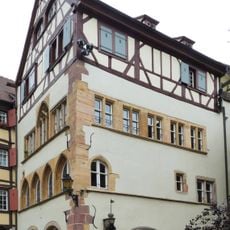
Half-timbered facades line narrow lanes in the Tannery Quarter, where craftsmen once processed animal hides in the waterways. Wine trade and cultivation still shape daily life, with local vintners offering their products in taverns and markets.
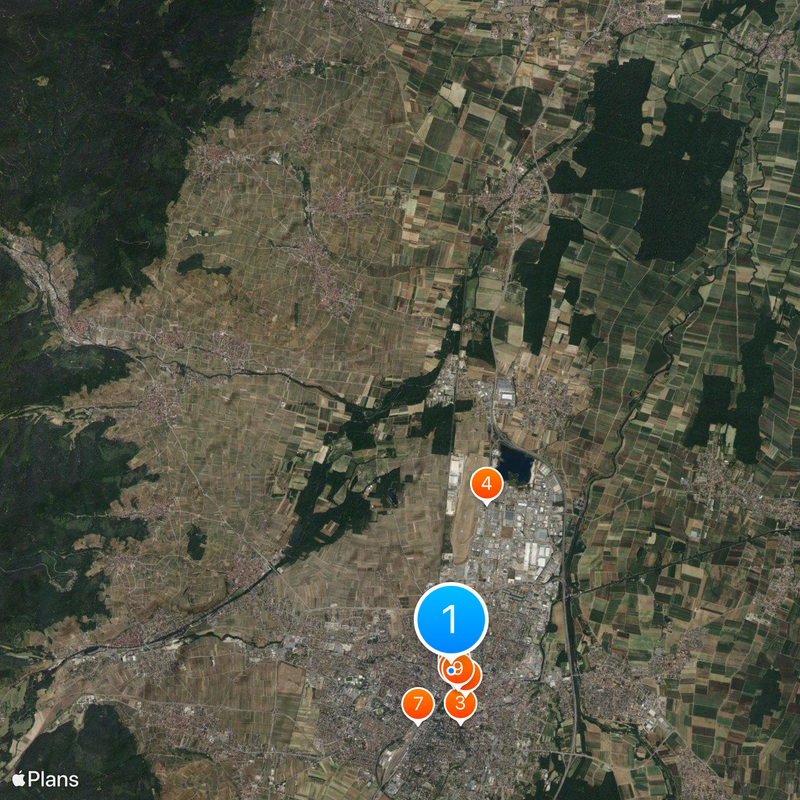
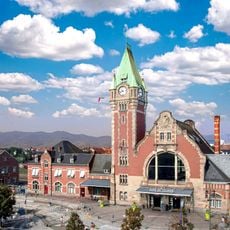
The railway station connects the town to Strasbourg, Mulhouse, and Basel, while bus routes serve surrounding areas and neighborhoods. Walking paths and cycling routes make it easier to move between the center, canal banks, and outer districts.
The municipality leases agricultural plots to farmers, linking environmental requirements to land use. This arrangement connects communal management with rural farming and preserves small-scale cultivation areas on the town's edge.
The community of curious travelers
AroundUs brings together thousands of curated places, local tips, and hidden gems, enriched daily by 90,776 contributors worldwide.