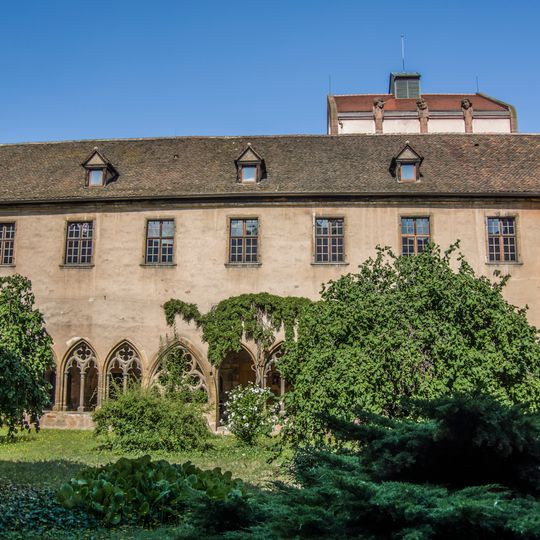
Unterlinden Museum, Art and history museum in Colmar, France
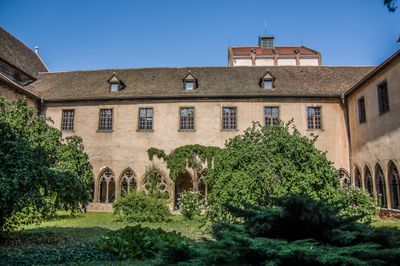
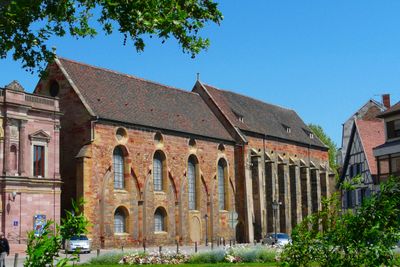
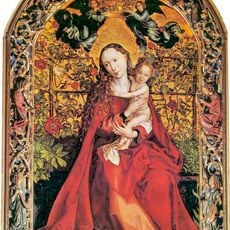
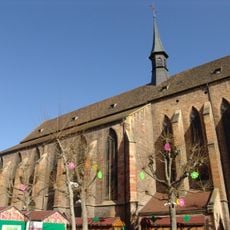
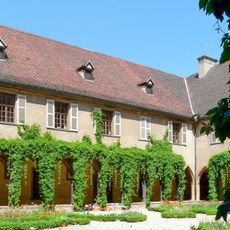
The Unterlinden Museum is an art museum housed in a former 13th-century Dominican convent, displaying works from prehistoric times to the present across multiple exhibition areas. The collection spans Roman mosaics, medieval paintings, and contemporary pieces within this historic building.
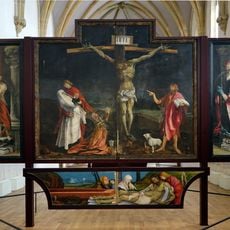
The convent buildings, abandoned after the 1789 Revolution and used as a barracks, were saved by the Société Schongauer, founded in 1847 by Louis Hugot. A Gallo-Roman mosaic found at Bergheim in 1848 was deposited in the convent church, and in 1852 the Isenheim Altarpiece and other works seized during the Revolution were moved there. The museum opened to the public on 3 April 1853.
The convent's name means "under the lime trees". The Schongauer Society, which still runs the museum, has collected local art since 1847; the Alsatian folk-art rooms show 17th- to 19th-century cooking traditions, furniture and children's toys. A room opened in 1923 for Florine Langweil's Far Eastern gifts, including 61 Japanese sword guards.
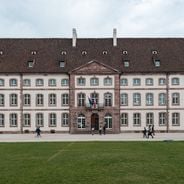
The 2015 extension by Herzog & de Meuron links the 13th-century convent to the former 1906 public baths through underground exhibition rooms, so allow time to pass between the two buildings. The enlarged complex covers 8,000 m², with the Isenheim Altarpiece in the former convent church. The museum is in central Colmar, near the Unterlinden square.
Underground exhibition corridors beneath the building connect the historic convent to a former 19th-century bathhouse, now integrated into the museum space. This hidden link creates an unexpected passage between two completely different architectural eras.
The community of curious travelers
AroundUs brings together thousands of curated places, local tips, and hidden gems, enriched daily by 93,578 contributors worldwide.