Munich, Metropolitan area in Bavaria, Germany
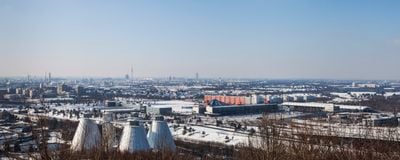
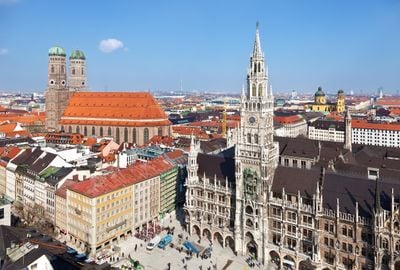
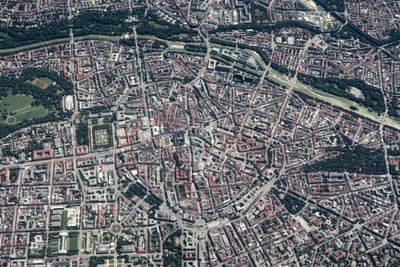
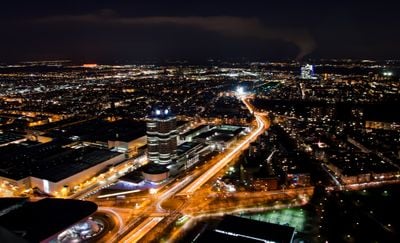
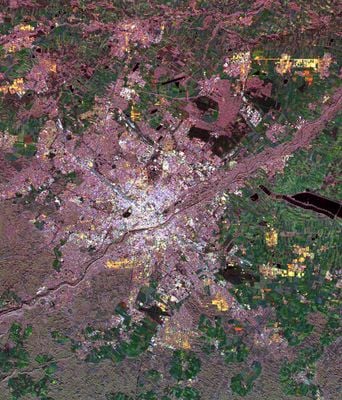
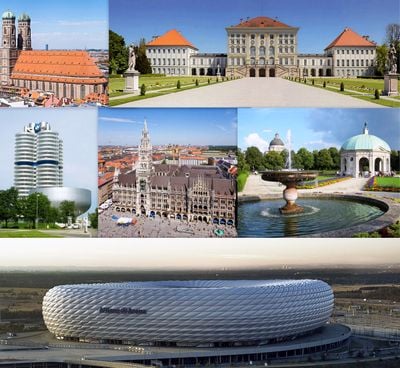
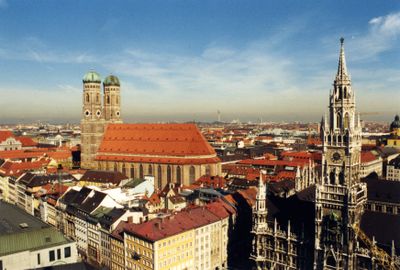
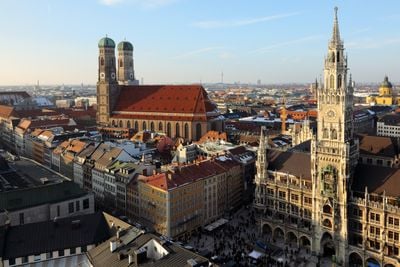
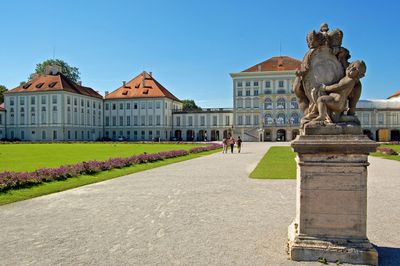
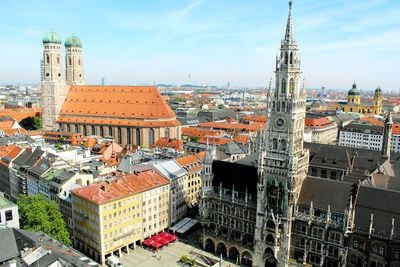
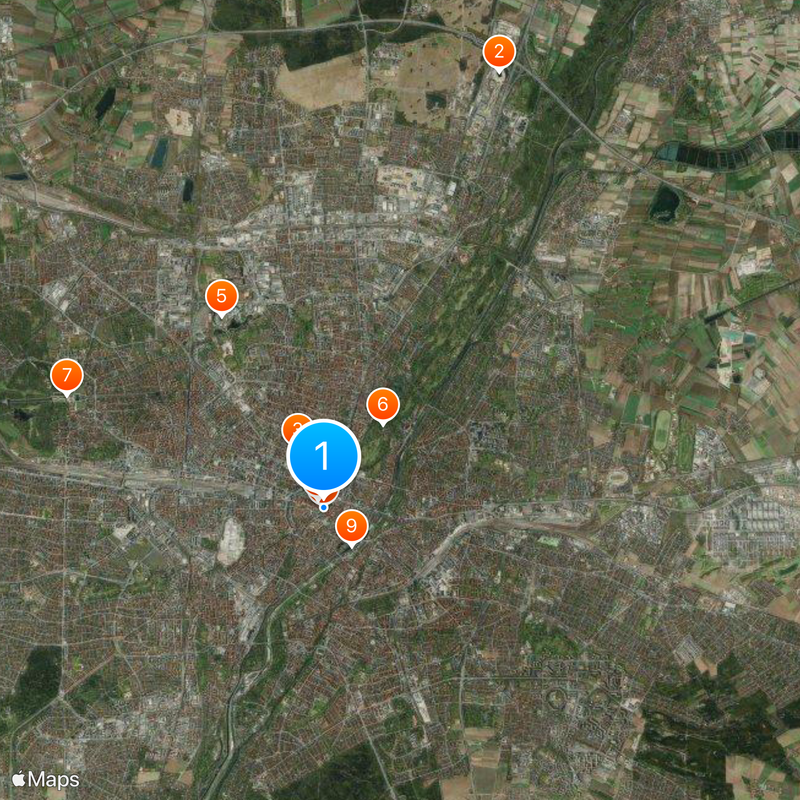
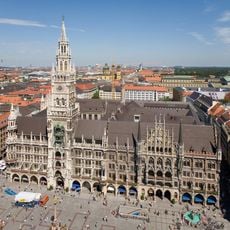
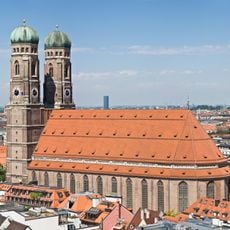
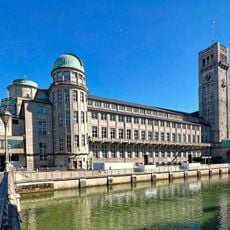
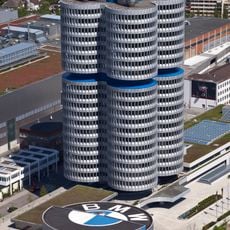
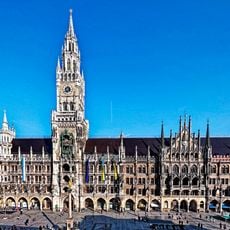
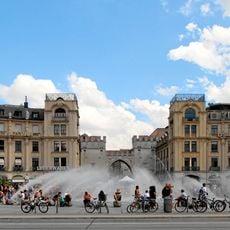
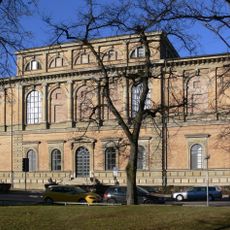
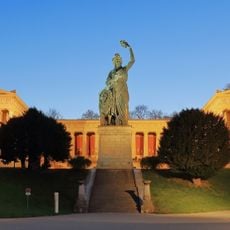
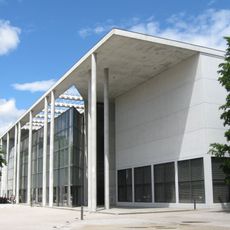
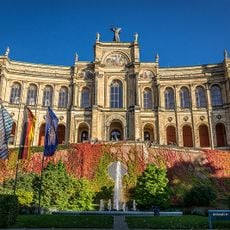
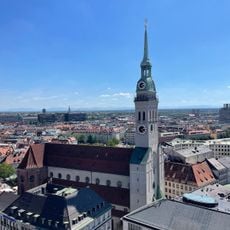
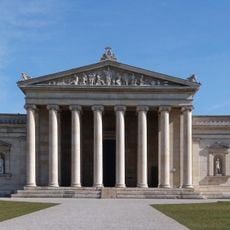
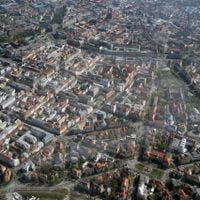
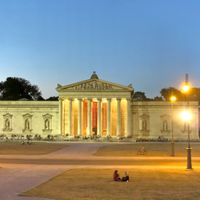
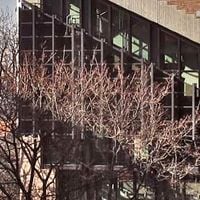
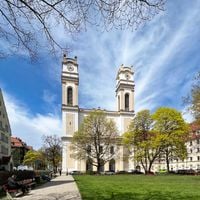
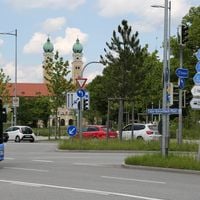
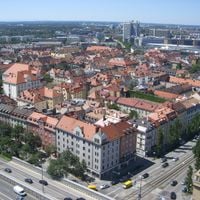
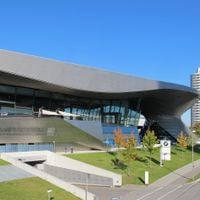
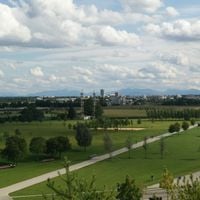
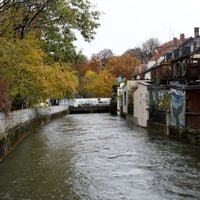
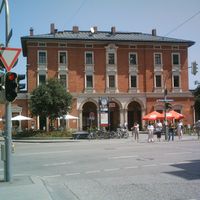
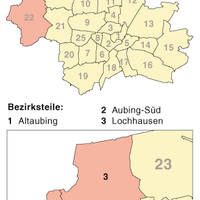
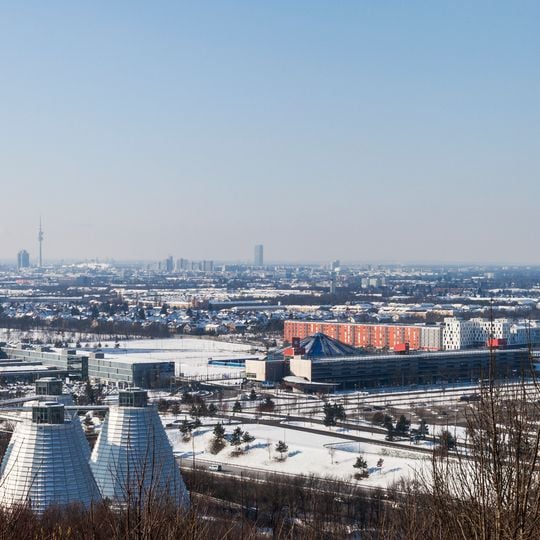
Munich sits on both banks of the Isar River and spreads across 25 districts where medieval buildings stand alongside modern architecture. The layout ranges from narrow lanes with old facades to wide boulevards lined with contemporary structures and green spaces.
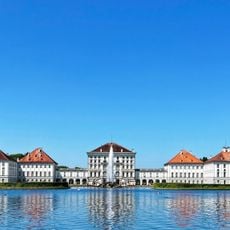
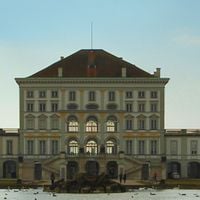
The settlement began in 1158 around a Benedictine monastery and later grew into a key trade center where salt routes crossed. During the 19th century the city expanded through industrialization and became the royal residence for Bavarian kings.
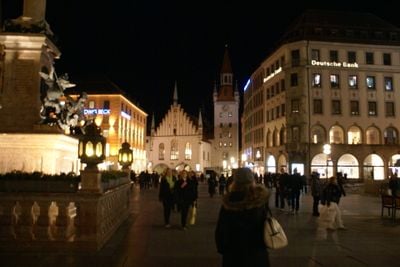
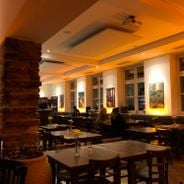
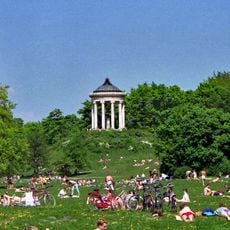
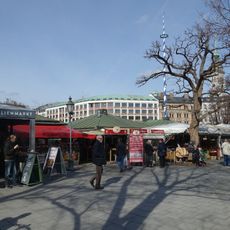
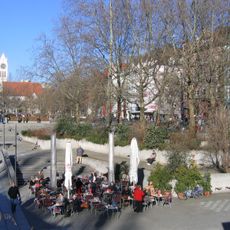
Beer gardens fill with locals who gather for meals and conversation under old chestnut trees, especially during warm months when outdoor life takes over. Street musicians and markets shape daily routines, with residents moving between plazas and parks as part of their regular social rhythm.
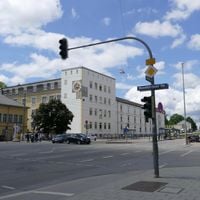
Public transport runs through all parts of the city with several train and tram lines connecting neighborhoods and major points. Walking or cycling works well for shorter trips, with dedicated bike lanes and pedestrian zones in the center and along the river.
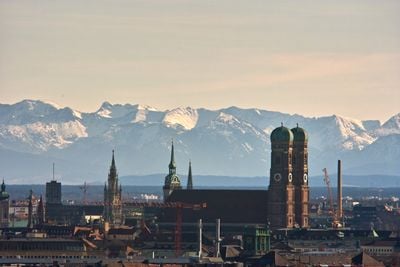
The city sits at 519 meters (1,703 feet) above sea level, placing it among the highest major cities in Germany. This elevation brings frequent föhn winds that clear the sky within hours and make the Alps suddenly visible while shifting the weather noticeably.
The community of curious travelers
AroundUs brings together thousands of curated places, local tips, and hidden gems, enriched daily by 92,528 contributors worldwide.