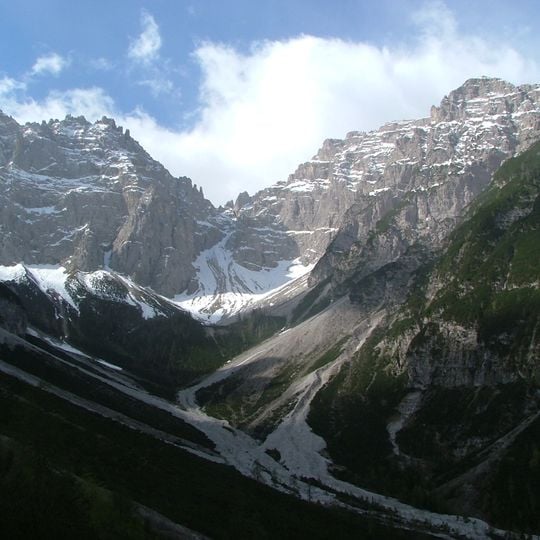
Friulian Dolomites, mountain range
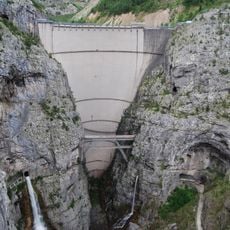
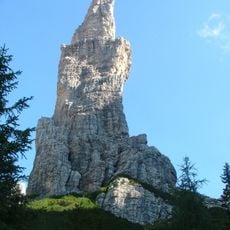
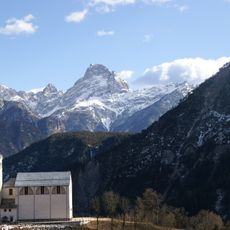
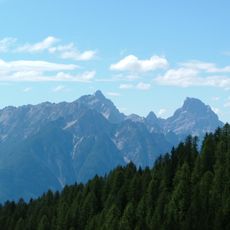
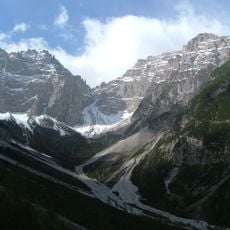
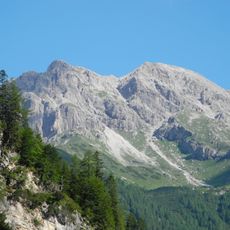
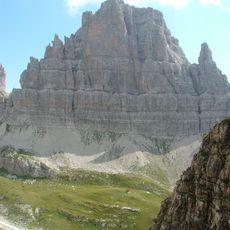
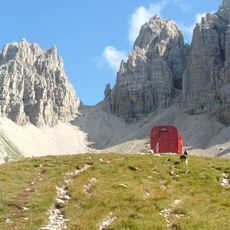
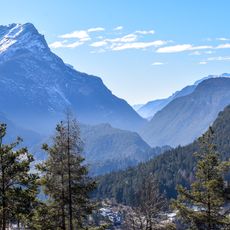
The Friulian Dolomites are an Alpine supergroup in northeastern Italy with jagged peaks, deep valleys, and a rugged rocky landscape untouched by roads or settlements. The region comprises four main mountain groups and has been a UNESCO World Heritage Site since 2009 due to its unique geological formations and pristine natural character.
The region was historically home to shepherds and hunters, but remained largely untouched because of its remote location and difficult terrain. Modern protection began with UNESCO recognition in 2009, which acknowledged the area's importance for geological science and nature conservation.
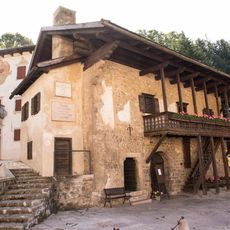
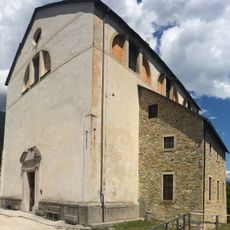
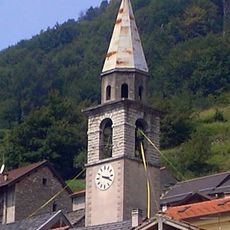
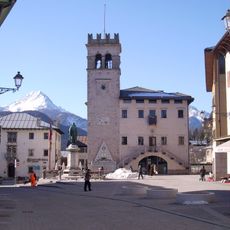
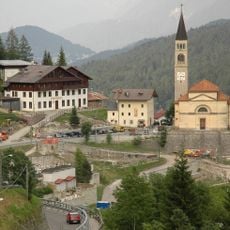
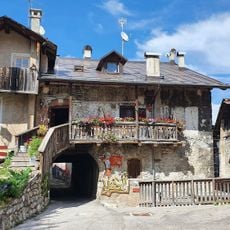
For centuries, shepherds and hunters shaped life in these mountains, adapting to the rugged terrain and seasonal changes. Today, small villages and mountain huts preserve these traditions through simple local dishes, wood-fired meals, and the respect visitors show for the quiet, untouched environment.
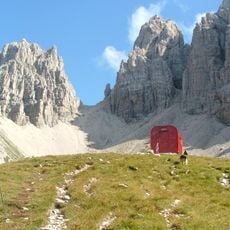
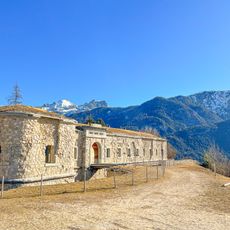
Access is only on foot via steep and marked trails, so visitors need good hiking boots and sure-footedness on rocky terrain. The region has eight simple mountain huts offering beds and meals, but mobile phone signals are limited, so hikers should carry a paper map and GPS device.
The area contains dinosaur footprints in the rocks, telling a story millions of years old and showing how ancient this land truly is. Experienced hikers report that the silence runs so deep you can hear your own breathing, and wild ibexes graze on the slopes.
The community of curious travelers
AroundUs brings together thousands of curated places, local tips, and hidden gems, enriched daily by 92,153 contributors worldwide.