Abisko National Park, National park in Kiruna Municipality, Sweden
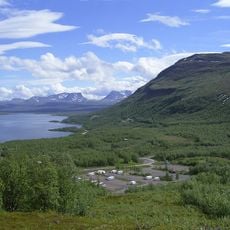
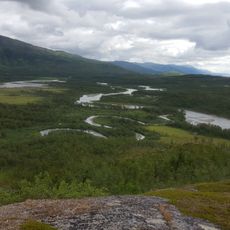
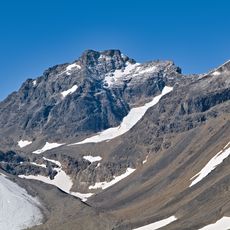
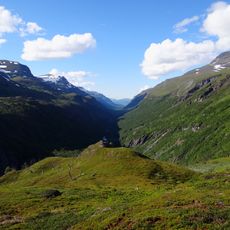
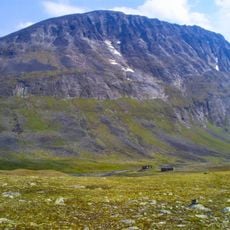
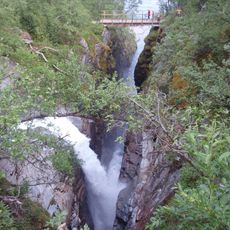
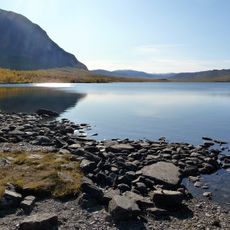
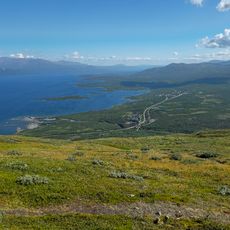
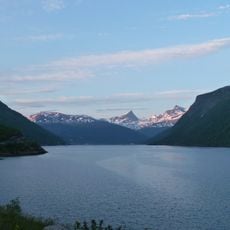
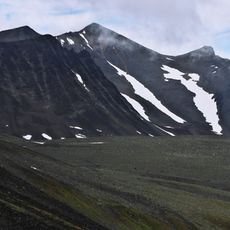
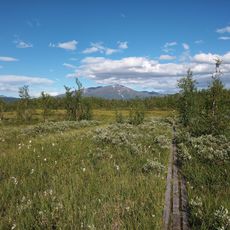
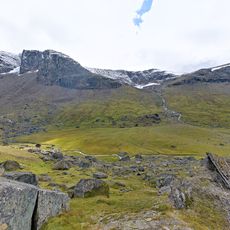
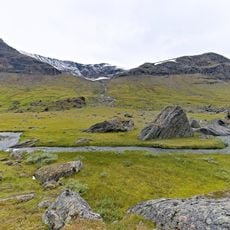
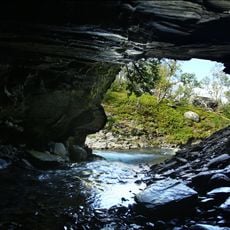
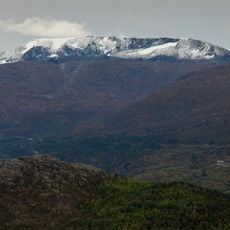
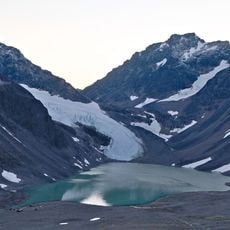
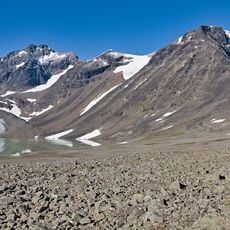
Abisko National Park runs from the south shore of Torneträsk about 10 km into the high fells, a shallow valley floor framed by Nuolja and Slåttatjåkka. The free-flowing Abiskojåkka river crosses it from Abiskojaure down to the lake, cutting a 20 m deep canyon with steep walls. Of the park's 7,700 hectares, 3,900 are mountain birch forest and 2,800 bare fell.
The area gained protected status in 1909 and was among the first places in Sweden where nature conservation laws took effect. Scientists like geologist Fredrik Svenonius played a key role in its establishment.
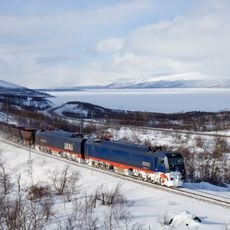
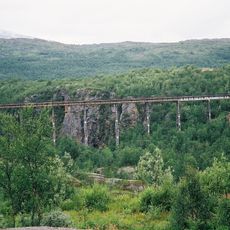
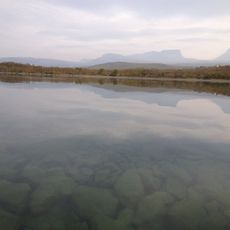
The name Abisko comes from the Northern Sámi Ábeskovvu, roughly "the forest by the great water", referring to nearby Torneträsk. The park lies in Sámi reindeer-herding country, and the Swedish Tourist Association ran a tourist station by the Malmbanan railway here from 1902, before the park existed.
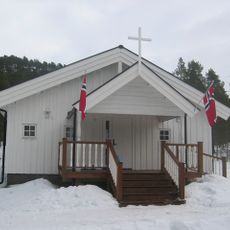
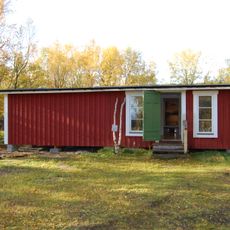
A research station in the area offers information and may provide lodging options for visitors exploring the region. It is wise to arrive prepared, as mountain conditions are harsh and weather can shift quickly.
Abisko records only about 300 mm of precipitation a year, the lowest of any place in Sweden, because the western fells wring moisture from Atlantic air before it arrives. The same rain shadow keeps skies clear, and the park's dark, light-pollution-free winters have made it a base for aurora watching.
The community of curious travelers
AroundUs brings together thousands of curated places, local tips, and hidden gems, enriched daily by 93,482 contributors worldwide.