Kaskasatjåkka, Mountain summit in northern Sweden
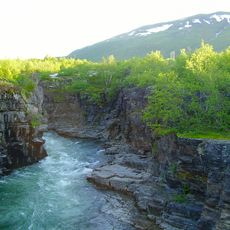
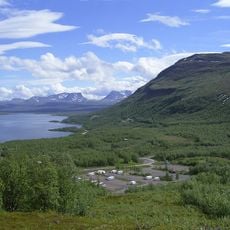
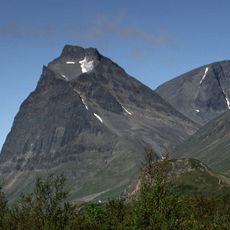
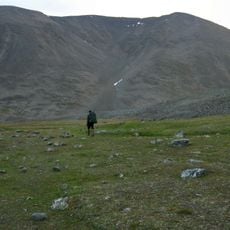
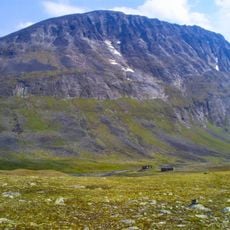
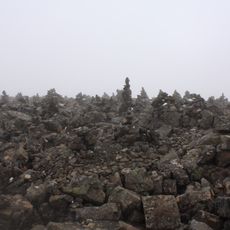
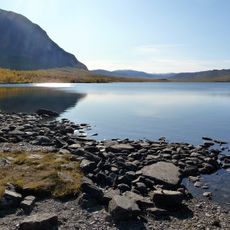
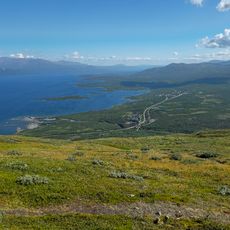
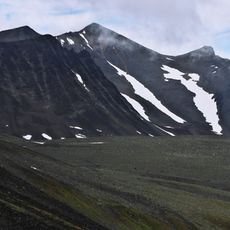
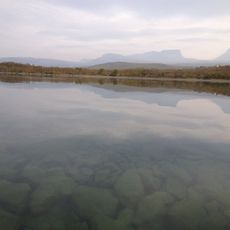
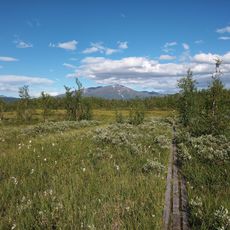
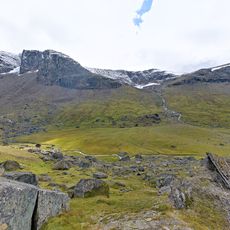
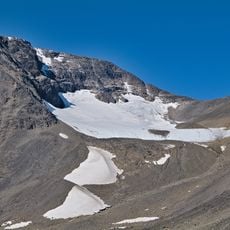
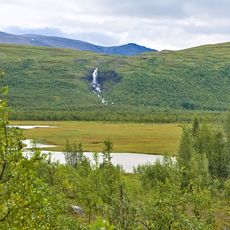
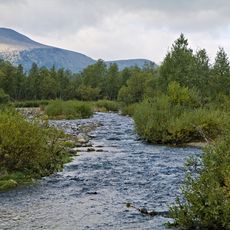
Kaskasatjåkka is a mountain summit in the Scandinavian range with rocky outcrops scattered across its slopes and diverse alpine vegetation. The terrain features different elevation zones that shape distinct plant communities as you ascend higher.
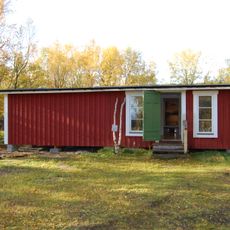
Kaskasatjåkka was first climbed in 1880 by the cartographer Wilhelm Bucht. The first winter ascent followed in 1920, made by H.N. Pallin and P. Spiess. The summit lies about three kilometres straight north of the mountain huts and research station in the Tarfala Valley.
The mountain's Northern Sámi name is Gaskkasčohkka, used alongside the Swedish form Kaskasatjåkka; "tjåkka" in Swedish mountain names derives from the Sámi word for peak. The summit lies north of the Kebnekaise massif in northern Lapland, an area where Sámi place names remain the everyday reference for the terrain.
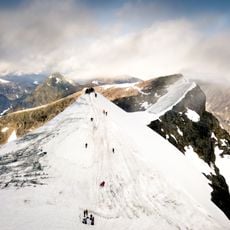
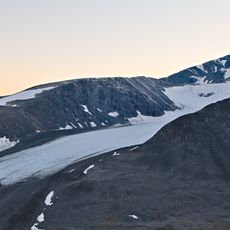
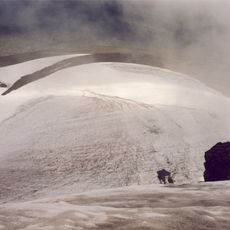
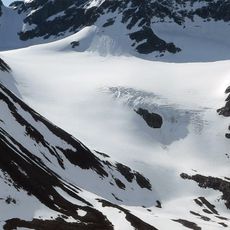
The summit lies about three kilometres straight north of the mountain huts and research station in Tarfala Valley, so the approach is made from the valley. The top is a broad snow-covered plateau for most of the year, and the harder Kaskasapakte side peak (2,040 m) stands in the same massif.
Kaskasatjåkka was first climbed in 1880 by the cartographer Wilhelm Bucht; the first winter ascent came in 1920 with H.N. Pallin and P. Spiess. Its broad, snow-covered summit plateau also overlooks the harder-to-climb side peak Kaskasapakte (2,040 m).
The community of curious travelers
AroundUs brings together thousands of curated places, local tips, and hidden gems, enriched daily by 94,430 contributors worldwide.